Forest Fire Reported in Laconia's Evrotas Municipality
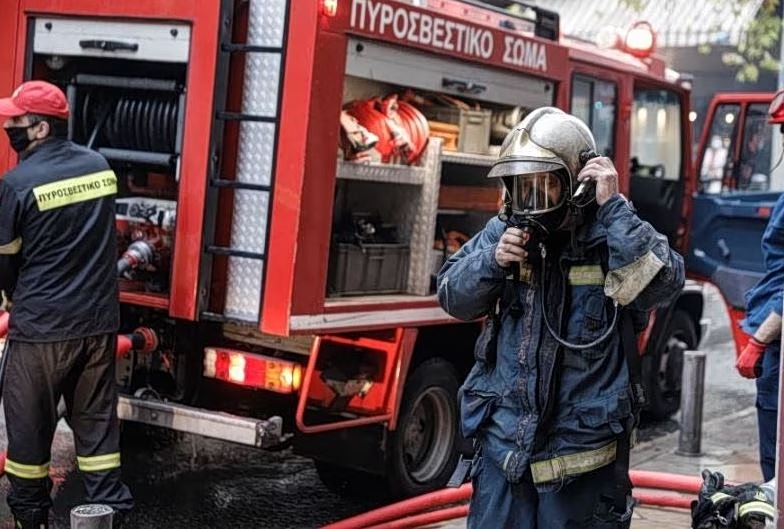
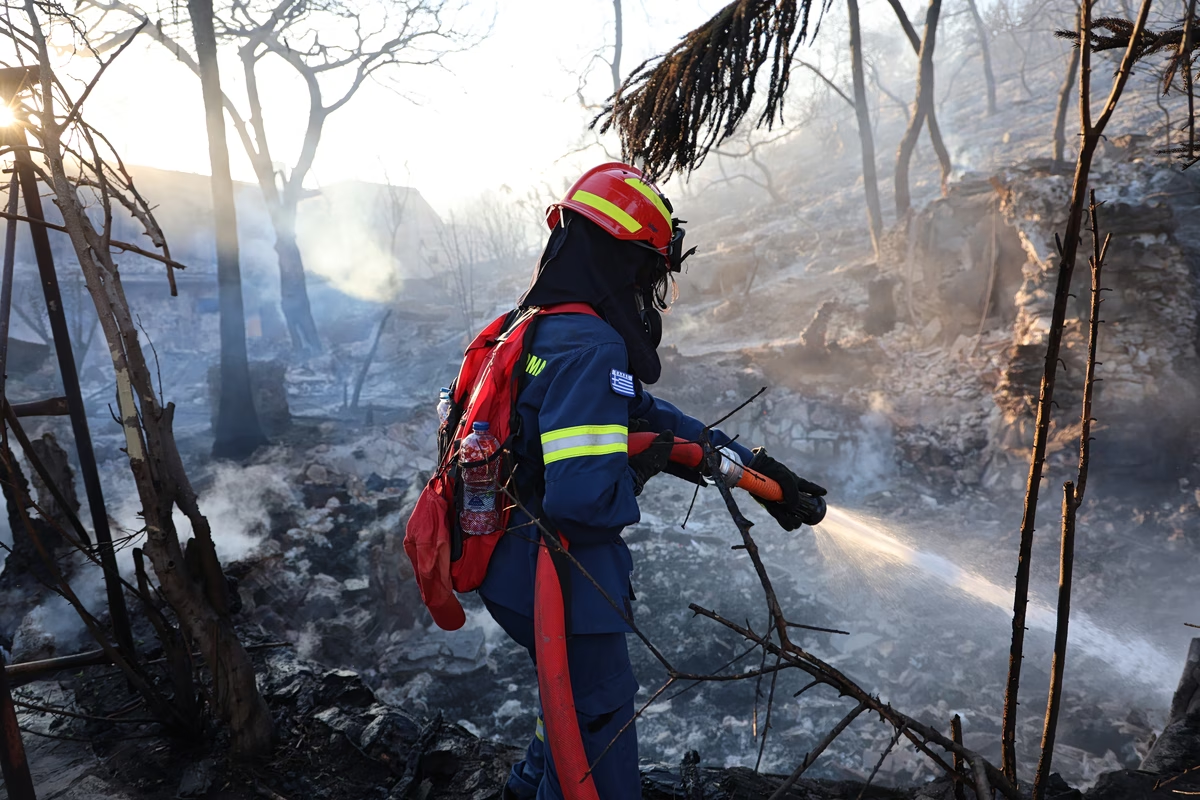
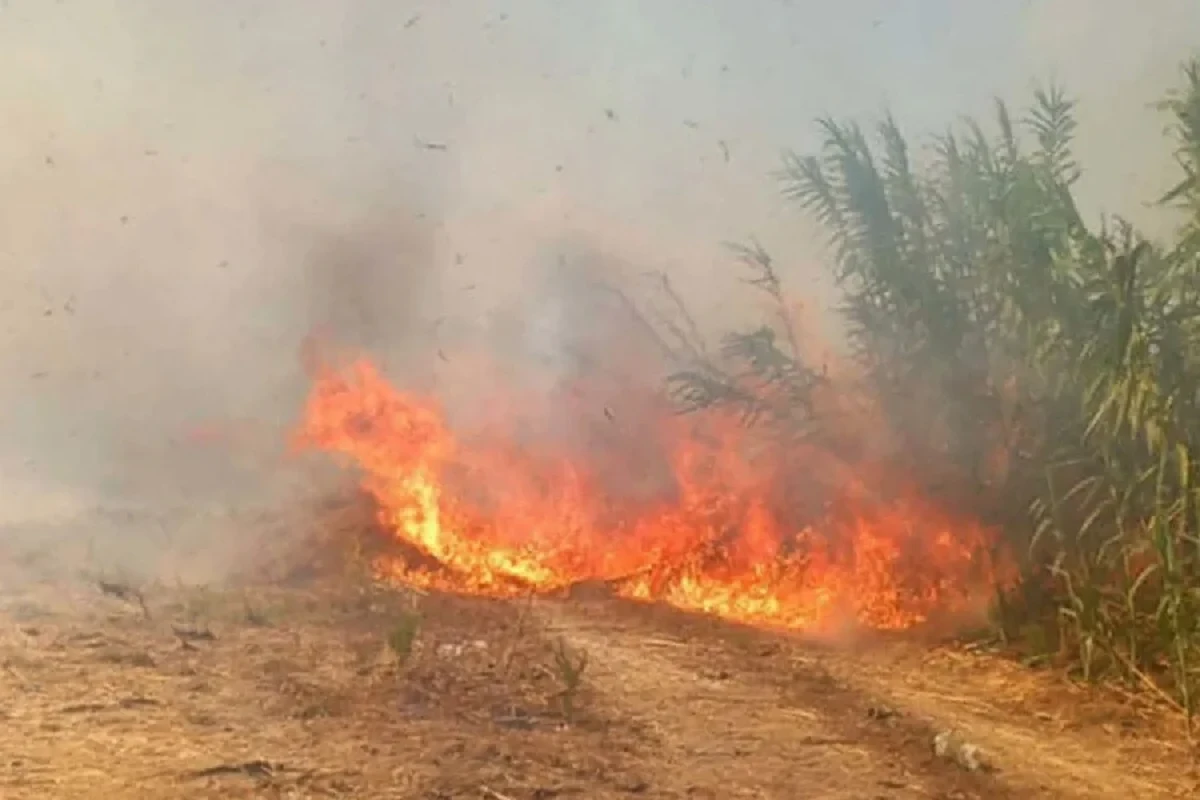
A wildfire ignited in a forested area near the Kremasti locality within the municipality of Evrotas in the regional unit of Laconia, southern Greece. The Fire Service Operations Center received the initial alert at approximately 2:30 p.m. local time, triggering an immediate emergency response.
Aerial Resources Mobilized to Combat the Blaze
Authorities wasted little time in deploying aerial assets to address the fire. Four aircraft were scrambled to assist in containing and suppressing the blaze, underlining the seriousness with which fire management teams approached the situation. The rapid mobilization of aerial resources is consistent with protocols employed during high-risk fire conditions, particularly during the summer months when dry vegetation and elevated temperatures significantly increase the likelihood of rapid fire spread.
Geographic Context of the Affected Area
Laconia is a regional unit located in the southeastern part of the Peloponnese peninsula. The municipality of Evrotas, where the fire was reported, encompasses a mix of agricultural land, villages, and forested terrain. The Kremasti area, specifically identified as the point of origin, sits within this broader landscape. Forested zones in this part of Greece are particularly vulnerable to wildfires during the summer season, when prolonged dry spells and strong winds can accelerate the spread of flames across wide expanses of land.
Fire Season Challenges in Greece
Greece routinely faces significant wildfire challenges during the summer months. The combination of high temperatures, low humidity, and seasonal winds creates conditions that are highly conducive to the rapid ignition and spread of fires across forested and rural areas throughout the country.
Authorities at both the national and regional level have been maintaining heightened alert status throughout the fire season, with the Fire Service coordinating closely with local municipal bodies, civil protection agencies, and aerial support units. The deployment of four aircraft in response to the Laconia fire reflects the operational readiness that emergency services have maintained in anticipation of fire incidents across the country.
Response Protocols and Operations Center Coordination
The Fire Service Operations Center serves as the central coordination hub for emergency fire response across Greece. Upon receiving notification of a wildfire, the center assesses the available intelligence — including the fire's location, surrounding terrain, wind conditions, and proximity to populated areas — before determining the appropriate level of response.
In the case of the Laconia fire, the decision to mobilize four aerial units alongside ground-based firefighting crews indicates that the initial assessment pointed to conditions requiring a robust and swift response. Aerial assets, including water-dropping planes and helicopters, play a critical role in slowing the advance of wildfires, especially in areas where ground access may be limited by difficult terrain.
Broader Pattern of Summer Wildfires
The fire in Laconia is part of a broader pattern of summer wildfires that have been affecting various parts of Greece. In recent years, the country has experienced a notable increase in the frequency and intensity of wildfires, a trend that scientists and meteorologists have linked in part to shifting climate patterns that are producing hotter and drier summers across the Mediterranean region.
Greek authorities have responded to this evolving threat by investing in expanded aerial firefighting fleets, improved early detection systems, and enhanced coordination between local and national emergency services. Despite these efforts, the sheer scale and unpredictability of wildfires continue to pose serious challenges for first responders and communities located in fire-prone areas.
Impact on Local Communities and Natural Environment
Wildfires in forested areas such as those found in Laconia carry significant consequences beyond the immediate danger posed to human life and property. The destruction of forested land disrupts local ecosystems, threatens wildlife habitats, and can lead to soil erosion and long-term environmental degradation. Recovery from large-scale wildfires can take years or even decades, making prevention and rapid response all the more critical.
For communities living near forested zones, the threat of wildfire is a recurring concern during the summer months. Residents in affected municipalities are typically advised to stay informed through official channels and to follow any evacuation instructions issued by local authorities if a fire poses a direct threat to inhabited areas.
Ongoing Monitoring and Updates
As of the time of reporting, firefighting operations were underway in the Kremasti area of Evrotas municipality. Ground crews and aerial units were working in coordination to bring the blaze under control. The Fire Service Operations Center was continuing to monitor the situation closely, with updates expected as conditions on the ground evolved.
No information was immediately available regarding injuries, casualties, or the extent of property damage resulting from the fire. Authorities were focused on containment efforts as the primary priority, with assessments of the fire's overall impact anticipated once the situation had been brought under greater control.
The public was urged to avoid the affected area to allow emergency personnel to carry out their work safely and efficiently, and to report any new fire sightings to the appropriate emergency services without delay.