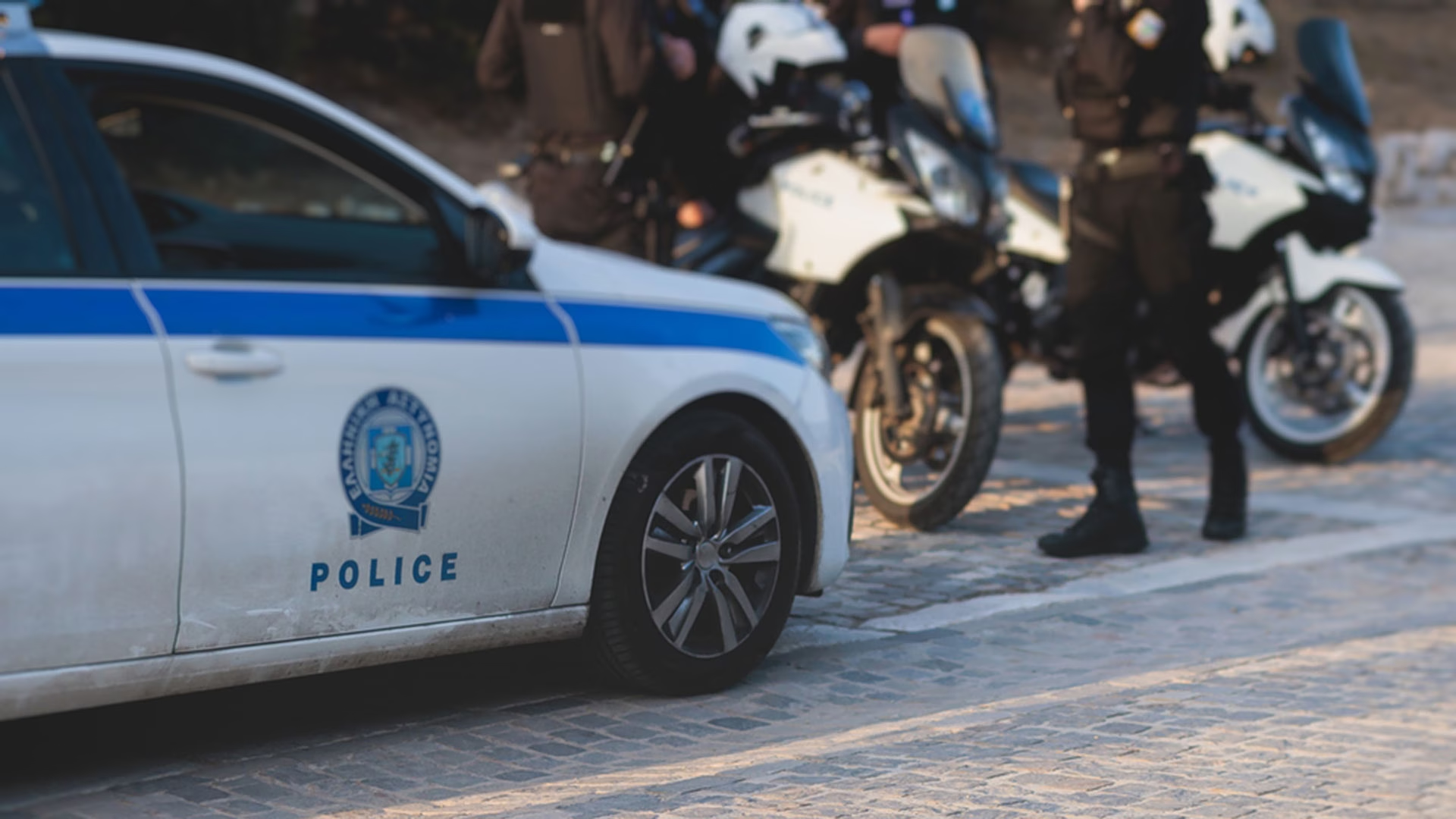
Driver Ignores Police Signal, Triggering Pursuit in Grevena
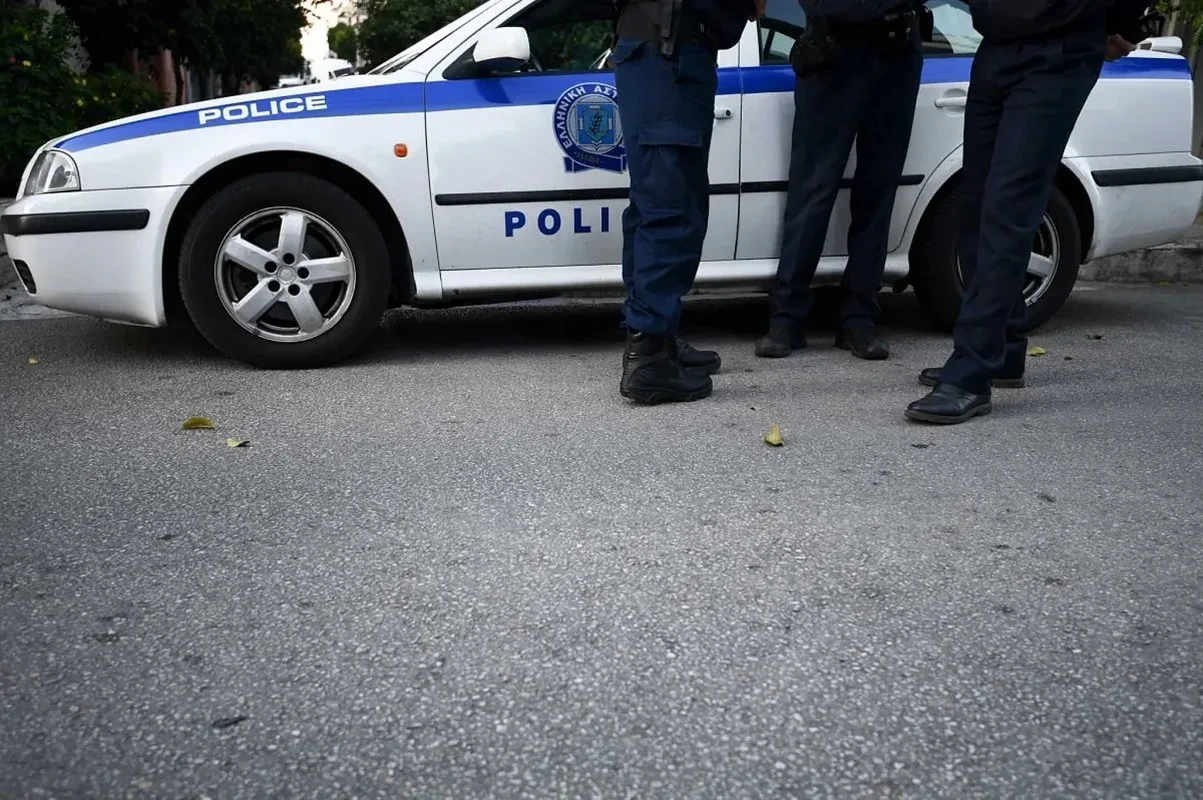
A tense and dramatic police chase unfolded in the regional unit of Grevena, in northwestern Greece, after a 47-year-old man refused to pull over when signaled by law enforcement officers conducting a routine traffic check. The incident quickly escalated as the driver attempted to flee the scene, setting off a pursuit that ultimately ended with a police officer being injured.
According to available information, officers on patrol had attempted to stop the man's vehicle for a standard roadside inspection. Rather than complying with their signal, the driver chose to accelerate and evade the checkpoint, prompting officers to give chase. Such refusals to stop are taken seriously by Greek law enforcement and can carry significant legal consequences for those involved.
Officer Injured During the Pursuit
As the chase progressed through the area, at least one police officer sustained injuries. While the full details surrounding the nature and severity of the officer's injuries have not been fully disclosed, the incident underscores the physical risks that law enforcement personnel face during vehicle pursuits, even in relatively smaller regional towns like Grevena.
Vehicle pursuits are inherently dangerous situations, not only for the officers involved but also for other road users and bystanders in the vicinity. Authorities are trained to weigh the risks associated with continuing a chase against the potential danger posed by allowing a suspect to escape, particularly when the reasons for the initial stop are unclear or potentially serious.
The Suspect: A 47-Year-Old Man
The individual at the center of the incident is a 47-year-old man whose identity has not been made public at this stage. It remains unclear what prompted the original decision to flag down the vehicle, whether it was a routine inspection, a specific suspicion, or part of a broader law enforcement operation in the area.
Greek police regularly conduct traffic stops across the country as part of efforts to ensure road safety and compliance with vehicle regulations. These stops can also serve as a means of identifying individuals wanted for other offenses or checking for contraband, unlicensed driving, and other violations.
Legal Consequences for Evading Police
Under Greek law, failing to stop for a police signal and attempting to flee from officers constitutes a serious offense. Individuals found guilty of evading a police checkpoint can face criminal charges in addition to any other violations that may have prompted the original stop. When an officer is injured during such an incident, the legal consequences for the suspect can be considerably more severe.
Charges related to assault, endangerment of life, and resistance against law enforcement may all apply depending on the specific circumstances of the case. Legal proceedings are expected to follow as authorities continue their investigation into the full sequence of events that took place during the pursuit.
Grevena: A Region in the Spotlight
Grevena is a relatively small city and regional unit located in the Western Macedonia region of Greece. While it is not typically associated with high-profile criminal incidents, law enforcement agencies maintain an active presence there, as they do throughout the country. Incidents like this one serve as a reminder that dramatic confrontations between police and members of the public can occur anywhere, regardless of a location's size or perceived safety profile.
Local residents and witnesses to the pursuit would have experienced considerable disruption and alarm as the chase played out on the roads of the area. Community reactions to such events often raise questions about public safety and the protocols followed by both police and drivers in high-pressure situations.
Broader Context: Police Pursuits and Public Safety
Vehicle pursuits remain a subject of ongoing debate among law enforcement agencies and public safety experts worldwide. On one hand, allowing a suspect to flee unchallenged can embolden criminal behavior and make it more difficult to bring offenders to justice. On the other hand, high-speed chases in populated or semi-urban areas carry real risks of accidents, injuries, and fatalities for all parties involved, including innocent bystanders.
Greek police, like their counterparts in other European countries, operate under specific guidelines that govern when and how a pursuit should be initiated, continued, or abandoned. Factors such as traffic density, road conditions, the nature of the suspected offense, and the potential risk to the public all play a role in these decisions.
When officers are injured during such events, it adds another layer of complexity to the situation, raising questions not only about the conduct of the suspect but also about the protocols in place to protect law enforcement personnel.
Investigation Ongoing
Authorities have confirmed that an investigation into the incident is underway. Details regarding the exact sequence of events, the condition of the injured officer, and the current status of the 47-year-old suspect are expected to emerge as the inquiry progresses. It is anticipated that the suspect will face formal charges related to both the flight from police and any harm caused to the officer during the pursuit.
The case has drawn attention to the challenges faced by law enforcement in managing roadside stops and pursuits, especially when suspects choose to resist or evade rather than cooperate. As further information becomes available from official sources, a clearer picture of what transpired on the roads of Grevena that day is expected to emerge.
For now, the incident stands as a stark example of the unpredictable and sometimes dangerous nature of routine police work, and the very real consequences that can follow when individuals choose to flee from lawful authority rather than submit to standard procedures.