Public Scrutiny Over Potential Financial Gains
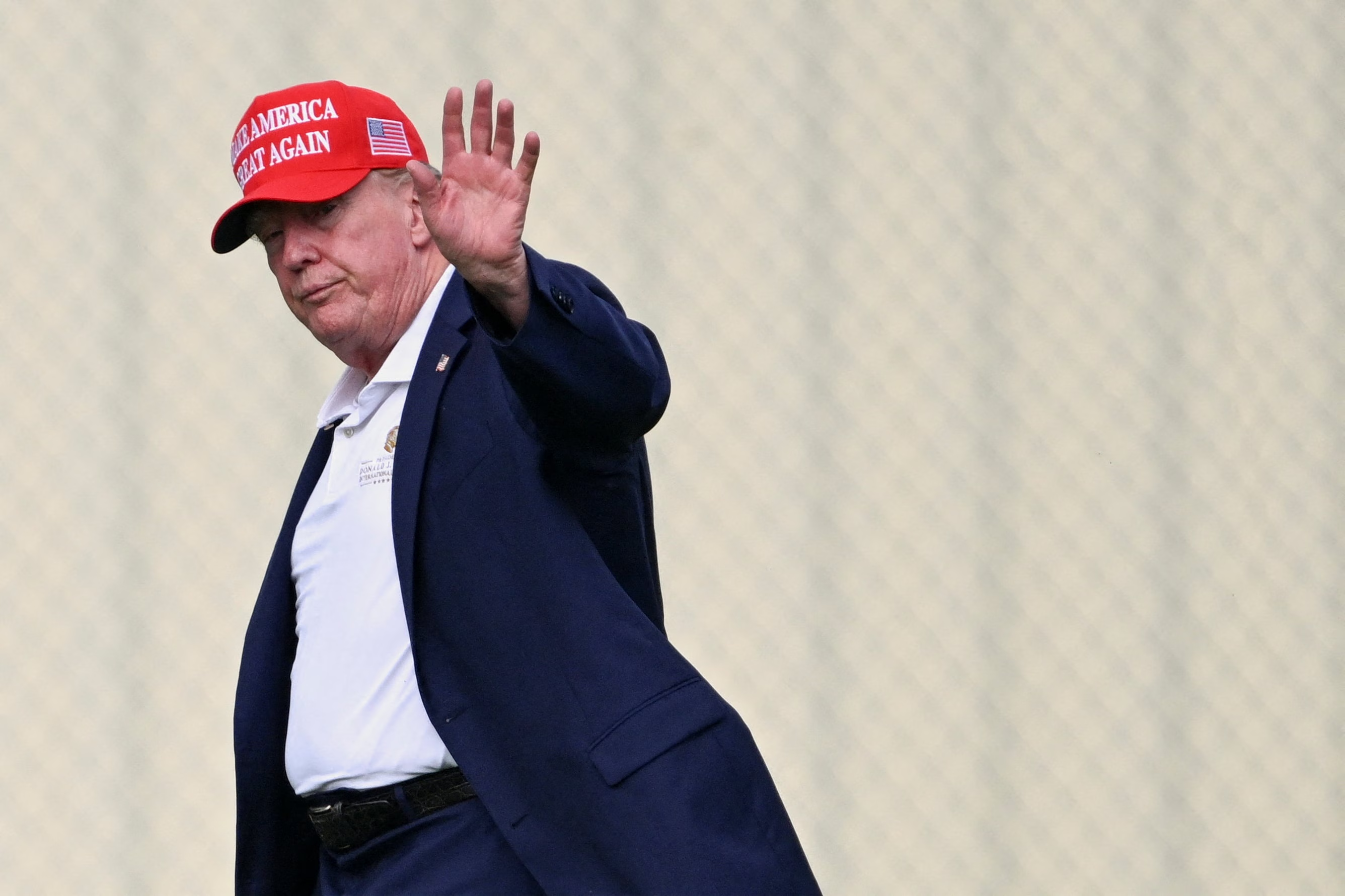
The prospect of a former president potentially returning to the nation's highest office has ignited widespread discussion, particularly concerning the intersection of public service and personal financial interests. A recent examination of public sentiment indicates that a substantial portion of the American populace harbors concerns that Donald Trump would use a second term in the White House to augment his personal wealth. This perception, according to numerous ethics professionals, introduces an unparalleled dynamic into the realm of presidential conduct and transparency.
The debate surrounding financial ethics in politics is not new, yet the specific circumstances involving a former president with extensive business holdings, who has previously served, present unique challenges. Critics and observers alike point to the intricate web of business ventures associated with the Trump Organization, suggesting that these could create a continuous stream of potential conflicts of interest, irrespective of any formal divestment attempts. The very nature of a president's global influence and the symbolic power of the office, they argue, could inherently enhance the value and reach of private enterprises linked to the individual holding that power.
Historical Context of Presidential Ethics
Historically, presidents have adopted various measures to mitigate conflicts of interest. These have ranged from placing assets in blind trusts, where financial decisions are made by an independent third party without the officeholder's knowledge, to divesting from certain businesses altogether. The underlying principle has always been to separate the immense power of the presidency from personal financial gain, thereby upholding public trust and ensuring that policy decisions are made in the national interest, not for individual enrichment.
However, the approach taken by former President Trump during his initial term, where he retained ownership of his businesses but delegated day-to-day operations to his children, was met with considerable scrutiny. Ethics watchdogs frequently argued that this arrangement did not adequately address potential conflicts, as the president was still aware of his financial holdings and could potentially benefit from decisions made by his administration. This precedent has contributed to the current public perception, as many Americans recall the debates and controversies surrounding his business dealings during his first tenure.
"The unique financial structure and global brand associated with former President Trump present an unprecedented challenge to traditional presidential ethics. The public's perception reflects a legitimate concern about the potential for personal enrichment influencing policy, a dynamic that diverges significantly from historical norms." - Ethics Analyst
The concept of a president profiting from their position is antithetical to the principles of public service. The office demands an unwavering commitment to the public good, free from the taint of self-interest. When a significant portion of the electorate believes that a leader might prioritize personal financial gain, it erodes trust in governmental institutions and can lead to cynicism about the political process. This erosion of trust can have far-reaching implications, impacting everything from voter turnout to public cooperation with government initiatives.
The Role of Transparency and Accountability
Transparency is a cornerstone of democratic governance. For a president, this extends to their financial affairs, particularly given the immense power they wield over economic policy, international relations, and regulatory frameworks. The absence of complete transparency regarding personal finances can foster an environment where suspicions of impropriety thrive, regardless of actual wrongdoing. This is why financial disclosures and ethics rules are so crucial; they serve as safeguards against corruption and ensure accountability to the public.
The debate over potential financial enrichment also touches upon the broader issue of accountability. If a president is perceived as using their office for personal gain, what mechanisms exist to hold them accountable? While legal frameworks address outright corruption, the more subtle forms of influence peddling or the appearance of impropriety can be harder to regulate and challenge. This places a greater emphasis on public vigilance and the role of the media in scrutinizing the financial activities of those in power.
Moreover, the global nature of modern business means that a president's financial interests can extend beyond national borders, introducing complex geopolitical considerations. Decisions regarding trade, foreign policy, and international agreements could potentially be viewed through the lens of how they might impact the president's global business ventures, further complicating the ethical landscape. This interconnectedness demands an even higher degree of scrutiny and a robust framework for managing potential conflicts.
Public Opinion and Future Implications
The prevailing public opinion, indicating a belief that a returning Trump would enrich himself, carries significant weight. It suggests a skepticism among the electorate about the integrity of the highest office, which could influence future elections and public engagement with politics. When voters perceive that their leaders are primarily motivated by personal gain, it can lead to disengagement and a sense that the political system is rigged against ordinary citizens.
This sentiment also puts pressure on political parties and candidates to address these concerns head-on. Future presidential hopefuls might face increased scrutiny regarding their own financial holdings and their plans for managing potential conflicts of interest. The public's heightened awareness of these issues could lead to demands for more stringent ethics rules and greater transparency from all elected officials, not just the president.
Furthermore, the ongoing discussion about presidential financial ethics could prompt a reevaluation of existing ethics laws and regulations. There might be calls for legislative reforms to strengthen oversight, clarify what constitutes a conflict of interest for a president, and establish clearer guidelines for managing personal business holdings while in office. The goal would be to prevent even the appearance of impropriety and ensure that the presidency remains an office dedicated solely to public service.
In conclusion, the widespread belief among Americans that a second Trump presidency would lead to personal financial enrichment highlights a critical juncture in the discourse on presidential ethics. It underscores the importance of transparency, accountability, and the public's trust in their leaders. As the political landscape continues to evolve, these concerns are likely to remain at the forefront, shaping public debate and potentially influencing the future direction of presidential conduct and ethical standards.