Gastroenteritis Cases Spike on the Island of Rhodes
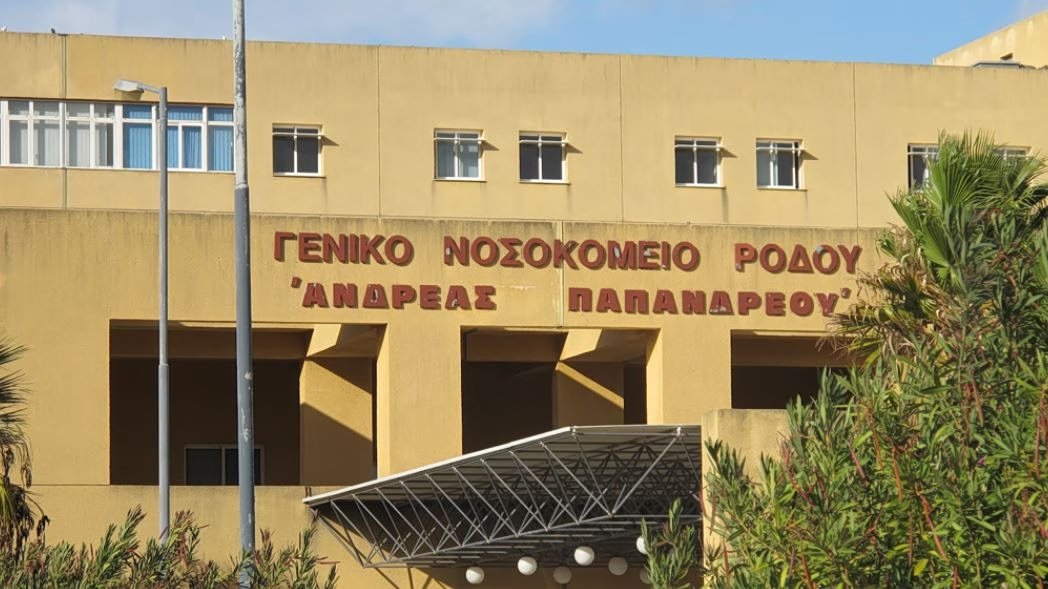
The Greek island of Rhodes is currently experiencing a notable surge in gastroenteritis cases, with emergency departments at local medical facilities reporting a steady and significant influx of patients on a daily basis. Health officials are monitoring the situation closely as dozens of individuals seek medical attention each day, placing considerable strain on available healthcare resources during the peak summer tourism season.
Despite the alarming number of cases being reported, authorities have so far confirmed that no instances of salmonella infection have been detected among those presenting with symptoms. This distinction is considered important by medical professionals, as it helps narrow down the potential sources and nature of the outbreak currently affecting residents and visitors alike.
Overcrowding Identified as Primary Cause of Spread
According to health officials, the main factor believed to be driving the rapid spread of the illness is overcrowding. The island of Rhodes attracts large numbers of tourists during the summer months, and the resulting concentration of people in public spaces, beaches, hotels, and entertainment venues creates conditions that are highly conducive to the transmission of gastrointestinal infections.
Gastroenteritis is typically caused by viral or bacterial pathogens and spreads easily in environments where large groups of people are in close contact. Symptoms generally include nausea, vomiting, diarrhea, stomach cramps, and fever, and while the illness is usually short-lived in otherwise healthy individuals, it can pose more serious risks to vulnerable populations such as the elderly, young children, and those with underlying health conditions.
What Health Officials Are Saying
Local health authorities, including statements attributed to official spokesperson Giannakos, have sought to provide clarity on the situation without causing unnecessary alarm. Officials have emphasized that while the volume of cases is elevated, the outbreak appears to be consistent with seasonal patterns observed in heavily frequented tourist destinations during the summer period.
Health representatives have underscored the importance of basic hygiene practices as the most effective means of limiting further spread. These include:
- Frequent and thorough handwashing, particularly before meals and after using public facilities
- Avoiding consumption of food or water from sources that may not meet standard hygiene requirements
- Staying hydrated and seeking medical attention promptly if symptoms worsen or persist
- Minimizing prolonged time in densely crowded areas where transmission risk is heightened
Authorities have also indicated that medical staff are working diligently to manage the increased patient load and ensure that those requiring treatment receive adequate care in a timely manner.
No Salmonella Detected Among Cases
One of the more reassuring findings emerging from the health response so far is the absence of any confirmed salmonella cases among the patients being treated. Salmonella is a bacterial infection commonly associated with contaminated food and water and can lead to more severe illness requiring hospitalization. The fact that no such cases have been identified suggests that the current outbreak may be primarily viral in nature, which typically results in milder symptoms and a shorter recovery period.
Health teams on the ground continue to conduct assessments and gather data to better understand the scope and trajectory of the outbreak. Testing and surveillance measures are ongoing to ensure that any shift in the nature of the illness is detected and addressed promptly.
Impact on Local Healthcare Infrastructure
The sudden and sustained increase in patient numbers is placing visible pressure on the island's emergency medical services. Staff at local hospitals and clinics are managing elevated workloads, and there are reports of longer wait times as the volume of cases stretches available capacity. Healthcare administrators are working to coordinate resources and, where possible, deploy additional personnel to meet the demand.
The situation is not unprecedented for a popular tourist destination during the height of summer. However, the scale of the current gastroenteritis wave has drawn heightened attention from both local health authorities and national-level agencies responsible for public health monitoring.
Broader Context: Summer Health Risks in Tourist Destinations
Rhodes is one of Greece's most visited islands, drawing tourists from across Europe and beyond each year. The combination of warm weather, abundant outdoor activities, and vibrant nightlife means that the island sees its population swell dramatically between June and September. This seasonal influx inevitably brings with it elevated risks for the spread of communicable illnesses, particularly those transmitted through close contact or shared environments.
Public health experts have long noted that gastrointestinal illnesses tend to peak during summer months in tourist-heavy locations, largely due to the convergence of large populations, outdoor food consumption, and varying standards of hygiene across different types of venues and facilities.
Advice for Residents and Visitors
Both residents of Rhodes and those currently visiting the island are being encouraged to remain vigilant and take practical steps to protect their health. Medical professionals recommend that individuals experiencing symptoms of gastroenteritis avoid contact with others where possible to prevent further spread, particularly in communal living arrangements such as hotels and holiday apartments.
Those who develop symptoms are advised to stay well hydrated, as dehydration is one of the most common complications of gastrointestinal illness. Oral rehydration solutions can be helpful in managing fluid loss, and medical attention should be sought if symptoms are severe, prolonged, or accompanied by high fever or blood in stool.
As health authorities continue to monitor and respond to the outbreak, the situation in Rhodes serves as a reminder of the importance of proactive public health measures in environments where large numbers of people gather. Officials have expressed confidence that with appropriate precautions and continued medical attention, the current wave of gastroenteritis can be managed effectively without escalating into a more serious public health emergency.