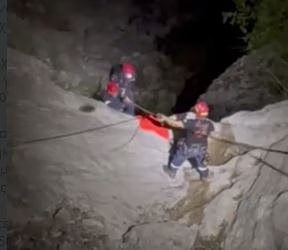
Overview of the Erymanthos Mountain Range
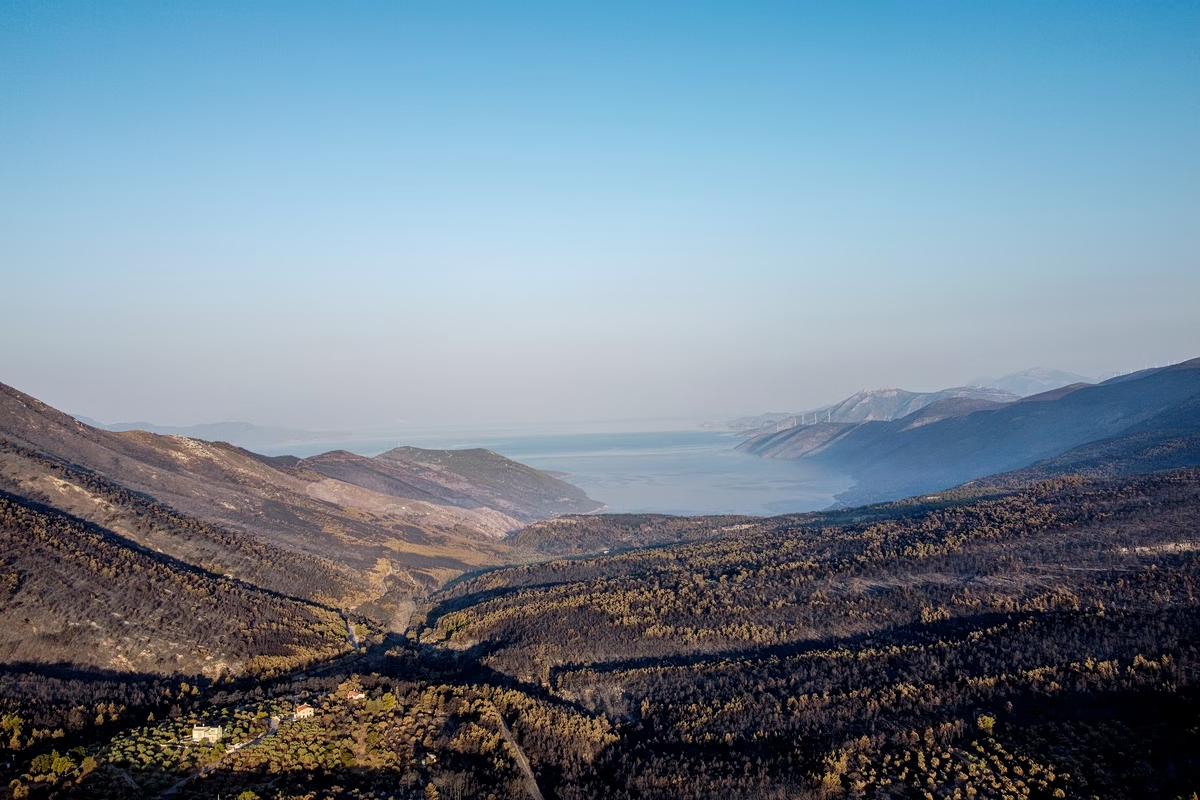
The Erymanthos mountain range, situated in the western part of the Peloponnese peninsula in Greece, is renowned for its imposing peaks, deep gorges, and dense forests. This formidable natural landscape presents both breathtaking beauty and significant challenges for those who venture into its less-traveled areas. Characterized by its rugged topography, the mountains are a popular destination for experienced hikers and nature enthusiasts. However, their complex terrain, often marked by steep inclines, rocky outcrops, and unpredictable weather patterns, can quickly become perilous for the unprepared or those who stray from established paths. The region's isolation and limited accessibility in certain areas further complicate navigation and, in emergencies, rescue efforts. The mountains are also ecologically significant, home to diverse flora and fauna, making them a protected natural area.
Initial Report and Mobilization
On a recent Tuesday evening, an urgent distress call was received, reporting that two siblings had become lost in a particularly treacherous section of the Erymanthos mountains. The precise circumstances leading to their disorientation remain under investigation, but initial reports suggested they had ventured into an area known for its difficult access and limited visibility, especially after nightfall. Upon receiving the alert, local authorities promptly initiated a comprehensive search and rescue protocol. Given the challenging nature of the terrain and the rapidly deteriorating light conditions, the immediate activation of specialized units was deemed essential to maximize the chances of a swift and successful outcome.
Deployment of the 6th EMAK Unit
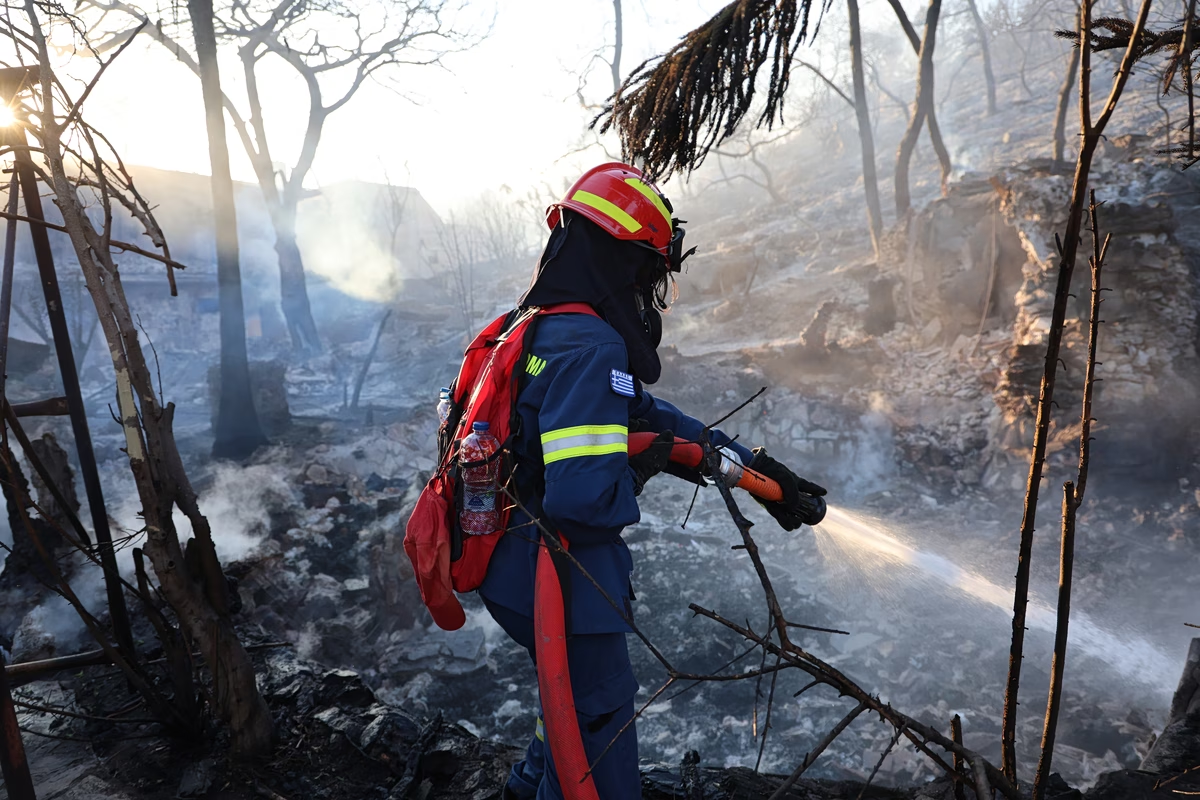
The primary response unit for this critical mission was the 6th Special Disaster Response Unit (EMAK). This elite team, highly trained in wilderness search and rescue operations, is equipped with specialized gear and possesses extensive expertise in navigating and operating within hostile environments. Their swift deployment underscored the gravity of the situation and the immediate need for professional intervention. The 6th EMAK unit's personnel are proficient in various rescue techniques, including rope access, medical stabilization in remote settings, and the use of advanced navigation and communication equipment, all of which are crucial for operations in mountainous regions.
Operational Strategy and Challenges
As darkness enveloped the Erymanthos mountains, the rescue operation transitioned into an overnight endeavor. The operational strategy involved deploying multiple ground teams, each assigned to specific sectors of the search area. These teams meticulously combed through dense vegetation, traversed steep slopes, and navigated along narrow ridges, all under the cover of night. The inherent challenges of a nighttime search were compounded by the rugged topography, which included areas prone to rockfalls and slippery surfaces. Furthermore, the temperature in the mountains can drop significantly after sunset, posing a risk of hypothermia for the missing individuals. Communication was also a critical factor; maintaining reliable contact between the various ground teams and the command center was paramount for coordinating efforts and adapting to new information.
Advanced Technology and Canine Support
To augment the efforts of the ground teams, advanced technological resources were integrated into the search operation. This included the deployment of thermal imaging cameras, which are highly effective in detecting human body heat against the cooler nocturnal environment, even through moderate foliage. Drones equipped with high-resolution cameras and spotlights were also utilized to conduct aerial surveys of expansive areas that were inaccessible or too dangerous for ground personnel. These aerial assets provided crucial overhead perspectives, helping to identify potential locations or signs of the missing siblings. In addition to technological aids, specialized search and rescue canines were indispensable. These highly trained dogs possess an acute sense of smell, enabling them to track human scent over long distances and through varied terrain, significantly increasing the probability of detection in challenging conditions.
Collaboration with Local Authorities and Volunteers
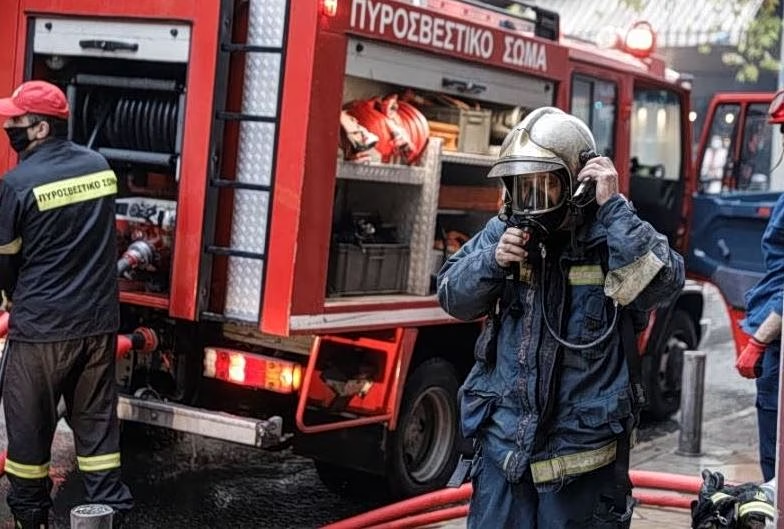
The success of such a complex operation often hinges on effective collaboration between various entities. In this instance, the 6th EMAK unit worked in close coordination with local police forces, the fire department, and regional emergency services. Local authorities provided invaluable knowledge of the terrain, including information about less-traveled paths, potential shelters, and local environmental conditions. Furthermore, a contingent of experienced local volunteers, familiar with the Erymanthos region, offered their assistance. These volunteers often possess an intimate understanding of the local landscape, which can be critical in guiding rescue teams through difficult areas and identifying subtle clues that might otherwise be overlooked. Their participation not only augmented the search personnel but also fostered a strong sense of community support for the rescue effort.
The Moment of Discovery
After an arduous night of relentless searching, the efforts of the rescue teams culminated in success. In the early hours of the morning, as dawn began to break over the mountain peaks, the two siblings were successfully located. They were found in a remote and challenging section of the mountain, a testament to the perseverance and skill of the rescue personnel. Initial assessments indicated that while they were disoriented and understandably distressed, they appeared to be in relatively good physical condition, albeit cold and fatigued. The immediate priority upon their discovery was to provide warmth, rehydration, and a preliminary medical check. The relief among the rescue teams and the command center was palpable, marking the culmination of an intense and demanding operation.
Safe Evacuation and Medical Assessment
Following their discovery, the siblings were carefully escorted from the difficult terrain by the rescue teams. The evacuation process itself required careful planning and execution, ensuring their safety during the descent. Upon reaching a more accessible point, they were transferred to awaiting medical personnel. A thorough medical assessment was conducted to address any potential injuries, exposure-related issues, or other health concerns. While specific details of their medical status were not publicly disclosed, reports indicated that they did not sustain any life-threatening injuries, a fortunate outcome given the circumstances of their ordeal. The prompt and professional medical attention played a crucial role in their recovery.
Lessons Learned and Community Impact
The successful rescue operation in the Erymanthos mountains serves as a significant case study in effective emergency response. It highlights the critical importance of specialized training, advanced equipment, inter-agency collaboration, and the unwavering dedication of rescue personnel. Such incidents also frequently prompt renewed calls for public awareness regarding mountain safety. Hikers and outdoor enthusiasts are routinely advised to always inform others of their intended routes, carry appropriate navigation tools, pack essential survival gear, and monitor weather forecasts closely. The community's response, characterized by concern and support, underscores the collective spirit that often emerges during times of crisis. The incident also reinforces the invaluable role that volunteer organizations and local knowledge play in augmenting official emergency services, creating a more robust and responsive system for wilderness emergencies. This successful outcome not only brought relief to the family of the siblings but also reinforced public confidence in the capabilities of Greece's emergency response units.