Maritime Incident in Porto Rafti
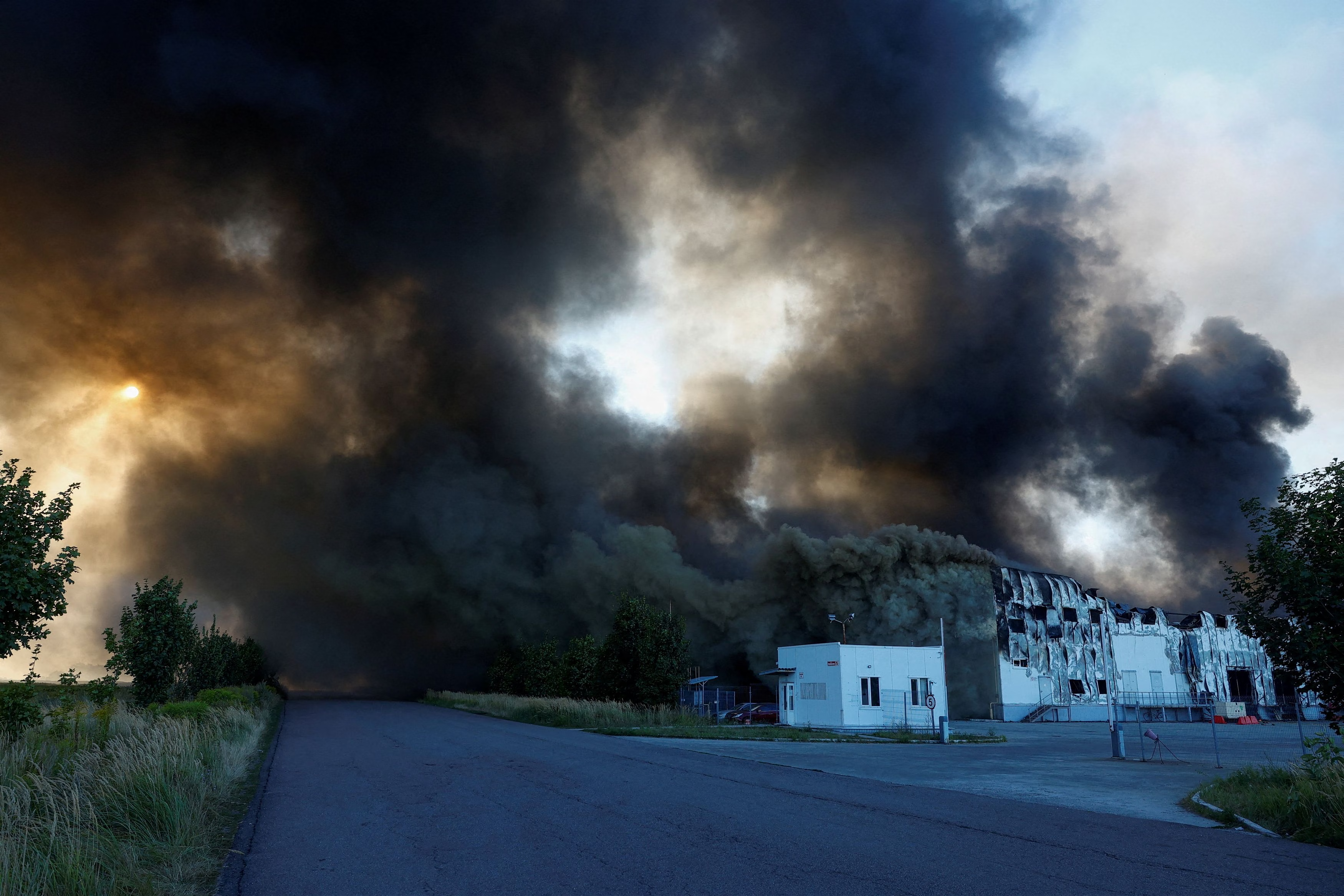
A swift and efficient emergency response ensured the safety of an individual after a fire broke out on a speedboat near Porto Rafti. The incident, involving a vessel operating under the Greek flag, occurred in the coastal waters of the popular Athenian Riviera destination. Authorities confirmed that the fire was contained rapidly, preventing any escalation or significant damage, and the single occupant of the boat was retrieved unharmed.
Rapid Response and Rescue Operations
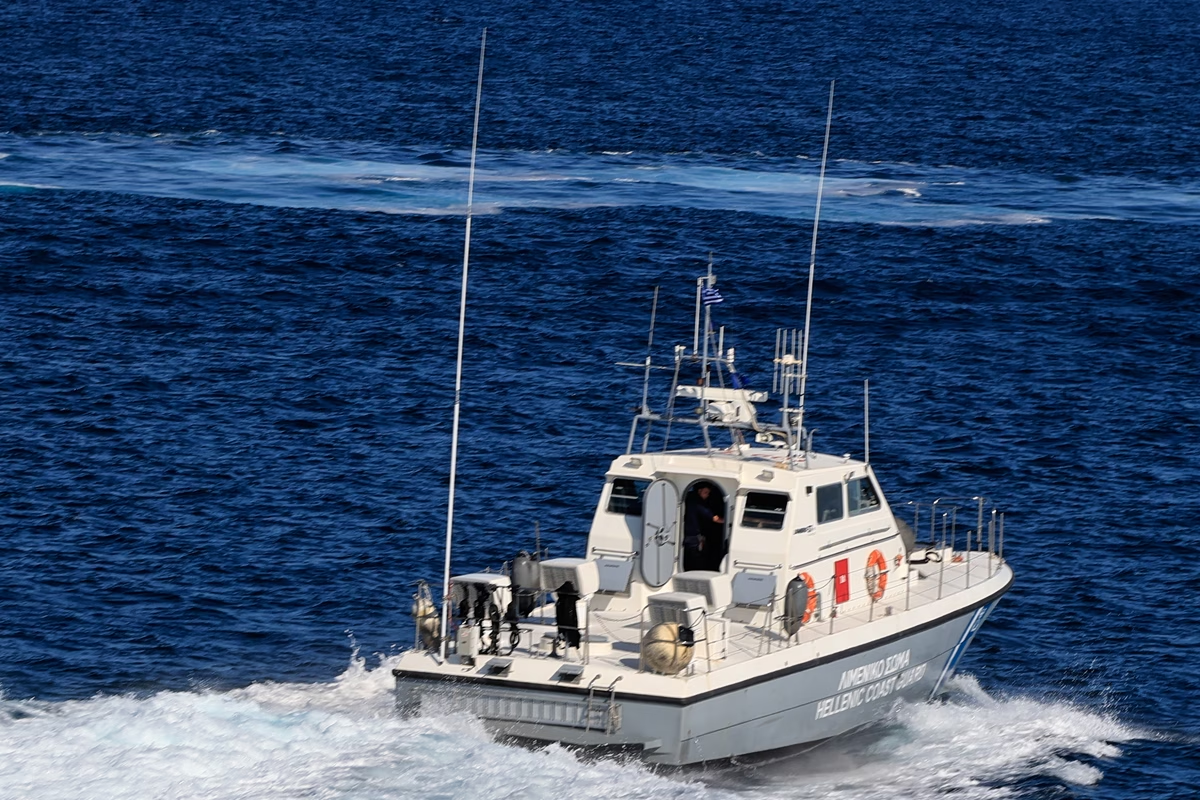
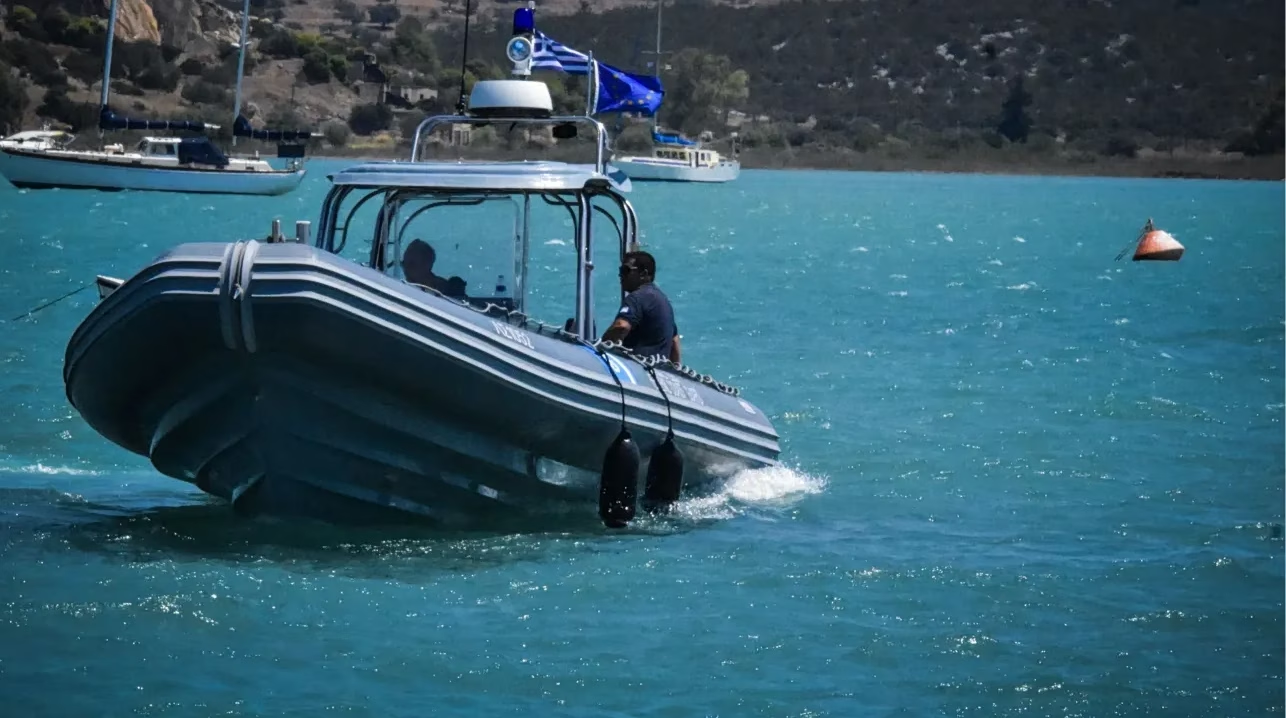
The alarm was raised when smoke was observed emanating from the speedboat. Local maritime authorities, specifically the Hellenic Coast Guard, were immediately dispatched to the scene. Their swift intervention proved crucial in managing the situation effectively. A Coast Guard patrol boat reached the distressed vessel promptly, initiating rescue procedures. The primary objective was to ensure the safety of the person aboard, who was the sole occupant at the time of the incident.
Upon arrival, Coast Guard personnel assessed the situation. The fire, though present, was reportedly of limited scope, which aided in its rapid suppression. Details regarding the exact cause of the fire have not been released, but the immediate focus was on extinguishing the flames and securing the area to prevent any further hazards. The efficient response of the Coast Guard highlights the preparedness of maritime emergency services in the region.
Occupant's Condition and Subsequent Transfer
The individual aboard the speedboat was successfully rescued by the Coast Guard crew. Following the rescue, the person was confirmed to be in good health, showing no immediate signs of injury or distress. This positive outcome is a testament to the quick actions of the rescue team and the occupant's ability to remain calm during the emergency.
As a precautionary measure, and in line with standard emergency protocols, the rescued individual was transported to Markopoulo port. Upon arrival at the port, an ambulance from the National Centre for Emergency Care (EKAB) was on standby to receive the person. This transfer ensures that a thorough medical examination can be conducted, even in the absence of visible injuries, to rule out any underlying issues such as smoke inhalation or shock. The emphasis on precautionary medical evaluation underscores the commitment of emergency services to the comprehensive well-being of those involved in such incidents.
Preventative Measures and Maritime Safety
Incidents such as these serve as a pertinent reminder of the importance of adhering to stringent maritime safety regulations and maintaining vessels in optimal condition. Regular inspections and maintenance of speedboats and other marine craft are paramount to prevent mechanical failures or electrical malfunctions that could lead to fires. Owners and operators are encouraged to routinely check fuel systems, electrical wiring, and engine components to mitigate risks. Furthermore, having readily accessible and functional fire extinguishers onboard is a critical safety measure that can make a significant difference in containing a blaze before it escalates.
Boaters are also advised to be familiar with emergency procedures, including how to operate communication devices to call for help, how to don life jackets, and how to use onboard safety equipment. Understanding the layout of the vessel and knowing the location of all safety gear can save precious time in a crisis. Training in basic fire fighting techniques for marine environments can also be invaluable. These preventative steps, combined with the vigilance of maritime authorities, contribute significantly to reducing the frequency and severity of boating accidents.
“The rapid response by the Hellenic Coast Guard ensured the safety of the individual and prevented further damage, underscoring the critical importance of maritime emergency preparedness.”
The incident in Porto Rafti, while ultimately resolving without serious consequence, highlights the inherent risks associated with maritime activities and the indispensable role of well-coordinated emergency services. The successful rescue operation reflects positively on the training and efficiency of the Greek Coast Guard and other collaborating emergency units. The event will likely lead to further emphasis on public awareness campaigns regarding boating safety and the importance of routine vessel maintenance to safeguard lives at sea.
Broader Implications for Coastal Safety
Porto Rafti, a popular coastal town, experiences significant maritime traffic, particularly during peak seasons. The occurrence of such an incident in these waters underscores the continuous need for robust surveillance and rapid response capabilities. The presence of numerous recreational boats, fishing vessels, and commercial craft necessitates a vigilant approach to maritime safety. Authorities frequently conduct patrols and inspections to ensure compliance with safety standards and to respond promptly to any emergencies that may arise.
Beyond immediate rescue operations, such incidents often trigger reviews of existing safety protocols and infrastructure. This might include evaluating the availability and strategic placement of rescue assets, the communication systems between various emergency services, and the training levels of personnel. The goal is always to enhance the overall safety framework for all maritime users, from casual boaters to professional mariners. The collective effort of regulatory bodies, law enforcement, and the boating community is essential in fostering a culture of safety on the water.
The quick extinguishment of the fire also prevented potential environmental damage. Fires on water can lead to fuel spills and the release of hazardous materials, posing threats to marine ecosystems. The contained nature of this particular incident, therefore, also had positive environmental implications. This aspect further emphasizes the multi-faceted benefits of a rapid and effective emergency response, safeguarding not only human life but also the natural environment.
In conclusion, the incident off the coast of Porto Rafti serves as a clear example of effective emergency management in a maritime setting. The prompt actions of the Hellenic Coast Guard, coupled with the proper handling of the situation, ensured that a potentially dangerous event concluded without any serious injuries or significant property loss. It reinforces the ongoing need for vigilance, preparedness, and adherence to safety guidelines for all individuals engaging in maritime activities.