Investigation into Nord Stream Explosions Intensifies with New Arrest
German authorities have confirmed the arrest of a second individual in connection with the 2022 sabotage of the Nord Stream 1 and Nord Stream 2 natural gas pipelines. The individual, identified as a Ukrainian national, was apprehended in Croatia. This arrest represents a notable progression in the complex international inquiry aimed at uncovering the perpetrators behind the explosions that severely damaged critical energy infrastructure in the Baltic Sea.
The incident, which occurred in September 2022, involved a series of underwater explosions that led to significant leaks from both Nord Stream pipelines. These pipelines, designed to transport natural gas from Russia to Germany, became a focal point of geopolitical tensions long before the blasts. The damage immediately sparked widespread speculation and accusations, with various nations pointing fingers and demanding thorough investigations. The complexity of the event, coupled with the sensitive geopolitical context, has made the inquiry particularly challenging for the involved states.
Background of the Nord Stream Incident
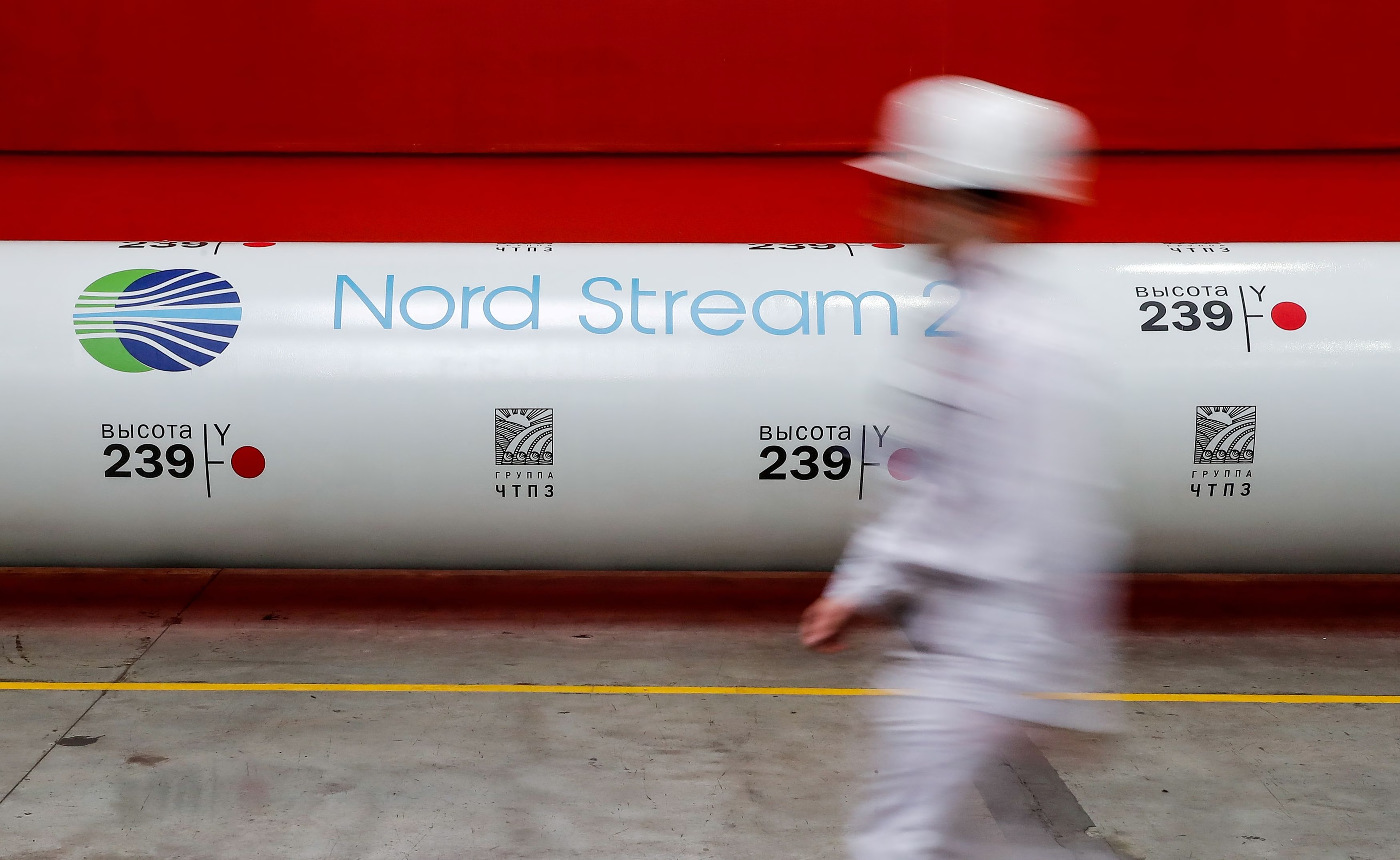
The Nord Stream pipelines, specifically Nord Stream 1 and the uncommissioned Nord Stream 2, represent a colossal investment in energy infrastructure. Nord Stream 1 had been a primary conduit for Russian gas to Europe for over a decade, playing a crucial role in the continent's energy supply. Nord Stream 2, completed but never operational due to regulatory hurdles and the escalating conflict in Ukraine, was intended to double this capacity. The very existence of these pipelines was a source of contention, with some Western nations and Ukraine expressing concerns about Europe's energy dependence on Russia.
On September 26, 2022, seismic monitoring stations detected several powerful underwater explosions in the vicinity of the pipelines, followed by the observation of large methane leaks on the sea surface. Investigations by Danish, Swedish, and German authorities quickly concluded that the damage was caused by deliberate acts of sabotage. The precise nature of the explosives used and the method of their deployment suggested a sophisticated operation, far beyond the capabilities of non-state actors operating without significant support.
Details of the Latest Arrest
While specific details regarding the identity of the recently arrested Ukrainian national and the evidence leading to their apprehension remain limited, the German Public Prosecutor General's office has confirmed the development. The arrest in Croatia suggests a widening scope of the investigation, potentially indicating an international network or a more complex operational footprint than initially understood. This individual's connection to the previously identified suspects or the broader conspiracy is currently under intense scrutiny by investigators.
The first Ukrainian suspect in the case was reportedly arrested earlier, though details surrounding that arrest were also scarce. The involvement of Ukrainian nationals in the alleged sabotage has introduced a new layer of complexity to the geopolitical narrative surrounding the incident. Ukraine has consistently denied any involvement in the explosions, instead pointing towards Russia as the likely culprit, suggesting the attacks were a false-flag operation designed to further destabilize the European energy market and sow discord.
International Investigation Efforts
The investigations into the Nord Stream explosions are being conducted collaboratively by authorities from Germany, Denmark, and Sweden. Each country has jurisdiction over portions of the pipeline and the surrounding waters where the damage occurred. This multi-national effort has faced significant challenges, including the deep-sea environment, the lack of immediate witnesses, and the highly sensitive political implications of any findings.
Investigators have reportedly collected evidence from the blast sites, including samples of explosives residue and fragments of what appear to be demolition charges. These findings have been crucial in confirming the deliberate nature of the attacks. However, identifying the specific actors responsible and their motivations has proven to be a painstaking process. The ongoing cooperation between intelligence agencies and law enforcement bodies across Europe is essential for piecing together the full picture of this unprecedented act of industrial sabotage.
Theories and Geopolitical Ramifications
From the outset, several theories regarding the perpetrators of the Nord Stream attacks have circulated. Initially, many Western leaders and analysts suggested Russia was responsible, arguing that the Kremlin sought to escalate energy warfare against Europe and punish countries supporting Ukraine. Conversely, Russia has vehemently denied its involvement, instead blaming Western nations, particularly the United States and the United Kingdom, for orchestrating the sabotage to cut Europe off from Russian energy and weaken Moscow's geopolitical influence.
The revelation of Ukrainian nationals as suspects adds another dimension to these theories. Some analysts suggest this could indicate a rogue operation, potentially carried out by elements within Ukraine acting independently, or with covert support from other entities. Others argue that attributing the attack to Ukraine might be a deliberate misdirection, designed to obscure the true perpetrators. The lack of definitive, publicly disclosed evidence linking any single state actor directly to the attacks has allowed these various theories to persist, contributing to a climate of uncertainty and mistrust.
The economic and environmental consequences of the Nord Stream explosions have been substantial. The damage to the pipelines effectively halted any possibility of Russian gas flowing through Nord Stream 1 for the foreseeable future and permanently shelved Nord Stream 2. This has further exacerbated Europe's energy crisis, forcing countries to seek alternative gas supplies and accelerate their transition to renewable energy sources. Environmentally, the leaks released significant quantities of methane, a potent greenhouse gas, into the atmosphere, raising concerns about climate impact.
Future of the Investigation and Potential Outcomes
The arrest of the second Ukrainian national underscores the continued commitment of German authorities to pursue all leads in the Nord Stream investigation. This development could potentially unlock new information, shedding light on the planning, execution, and ultimate responsibility for the sabotage. The legal process following such an arrest would likely involve extradition proceedings, interrogations, and a thorough examination of any evidence found in the suspect's possession or linked to their activities.
The outcome of this investigation holds significant implications for international relations and energy security. If a definitive conclusion is reached regarding the perpetrators, it could lead to severe diplomatic repercussions, sanctions, and potentially even military responses, depending on the identity of the responsible parties. The international community eagerly awaits further developments, hoping for clarity on one of the most perplexing and impactful acts of sabotage in recent memory. The ongoing nature of the conflict in Ukraine and the heightened geopolitical tensions ensure that any findings will be scrutinized intensely and will undoubtedly contribute to the broader narrative of international power dynamics.
The deliberate destruction of critical energy infrastructure represents a grave threat to international stability and underscores the need for robust security measures to protect such assets globally. The Nord Stream incident serves as a stark reminder of the vulnerabilities inherent in interconnected global systems and the potential for such acts to destabilize entire regions.
As the investigation progresses, the focus will remain on gathering irrefutable evidence that can withstand international scrutiny. The path to a definitive answer is likely to be long and arduous, but the persistent efforts of law enforcement and intelligence agencies indicate a strong determination to uncover the truth behind the Nord Stream pipeline attacks.