Elevated Wildfire Threat Forecast for Thursday
As summer temperatures continue to impact Greece, meteorological and civil protection agencies are forecasting a heightened risk of wildfires across a significant portion of the country for Thursday. This warning extends to both mainland territories and several island complexes, necessitating increased vigilance from the public and preparedness from emergency services. The assessment is based on a combination of prevailing weather conditions, including temperature, wind patterns, and the dryness of vegetation, all of which contribute to an environment conducive to the rapid ignition and spread of fires.
Understanding the Risk Categories
The Hellenic Civil Protection classifies wildfire risk into several categories, ranging from low to extreme. A 'high' risk designation, as issued for Thursday, indicates that conditions are favorable for fires to start and spread quickly, requiring immediate attention and preventative measures. This level of alert typically triggers enhanced patrolling, pre-positioning of firefighting assets, and public information campaigns to minimize human-caused ignitions. The categorization helps in allocating resources effectively and informing the public about the severity of the threat in their respective areas.
Geographical Scope of the High Alert
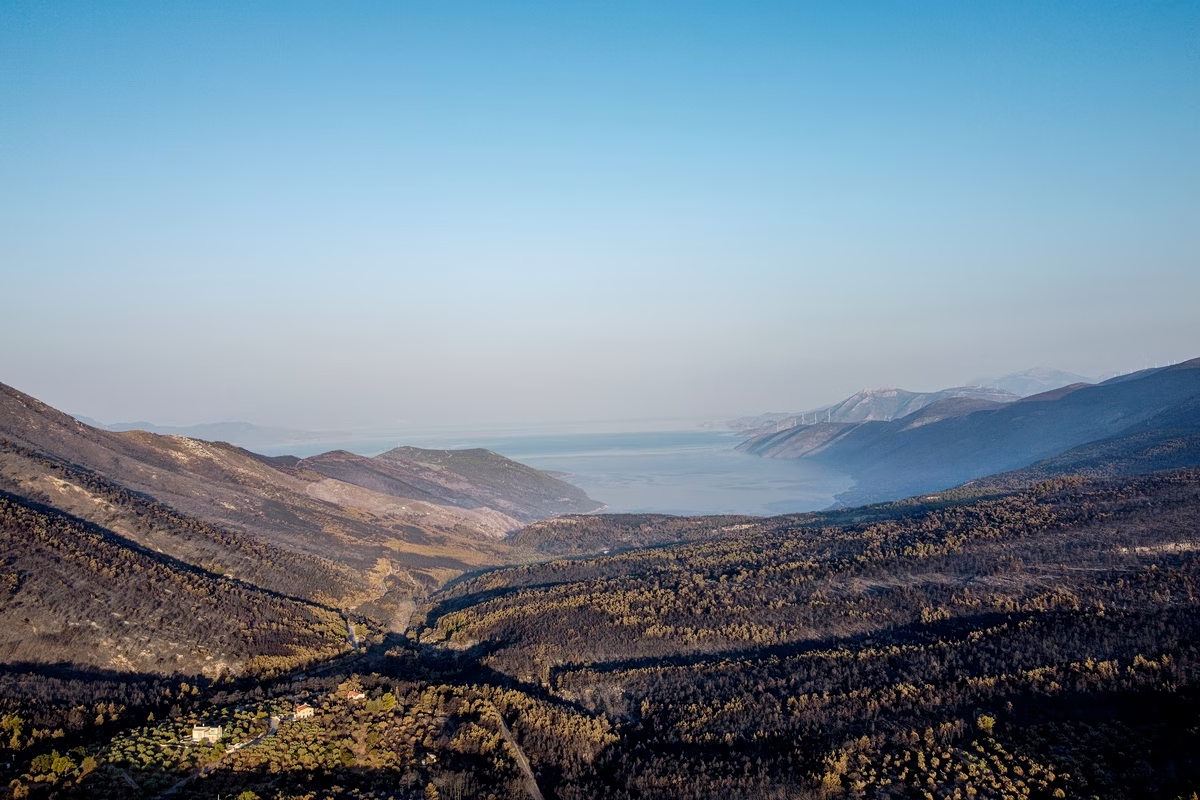
The high-risk areas identified for Thursday are geographically diverse, encompassing a wide array of landscapes and population centers. On the mainland, regions in Central Greece, including parts of Attica, are under alert. This includes urban-proximate forests and rural-urban interfaces where human activity can inadvertently lead to fire outbreaks. Furthermore, areas in the Peloponnese, known for their dense forests and agricultural lands, are also facing a significant threat. The combination of dry conditions and potential strong winds in these areas makes them particularly vulnerable. The topography of many mainland regions, characterized by hills and valleys, can also exacerbate fire spread, making containment challenging once a blaze begins.
Beyond the mainland, several island groups are also included in the high-risk forecast. The Ionian Islands, with their lush vegetation that can become highly combustible during dry periods, are among those requiring extra caution. Similarly, islands in the North Aegean and parts of the Dodecanese are also expected to experience conditions conducive to wildfires. The Cyclades, often windy and dry, present a perennial challenge for fire prevention and suppression. The proximity of residential areas to wildlands on many of these islands further complicates the situation, increasing the potential for property damage and threats to human life. The island environments, often reliant on limited water resources, face unique challenges in combating large-scale fires.
Contributing Factors to Increased Fire Risk
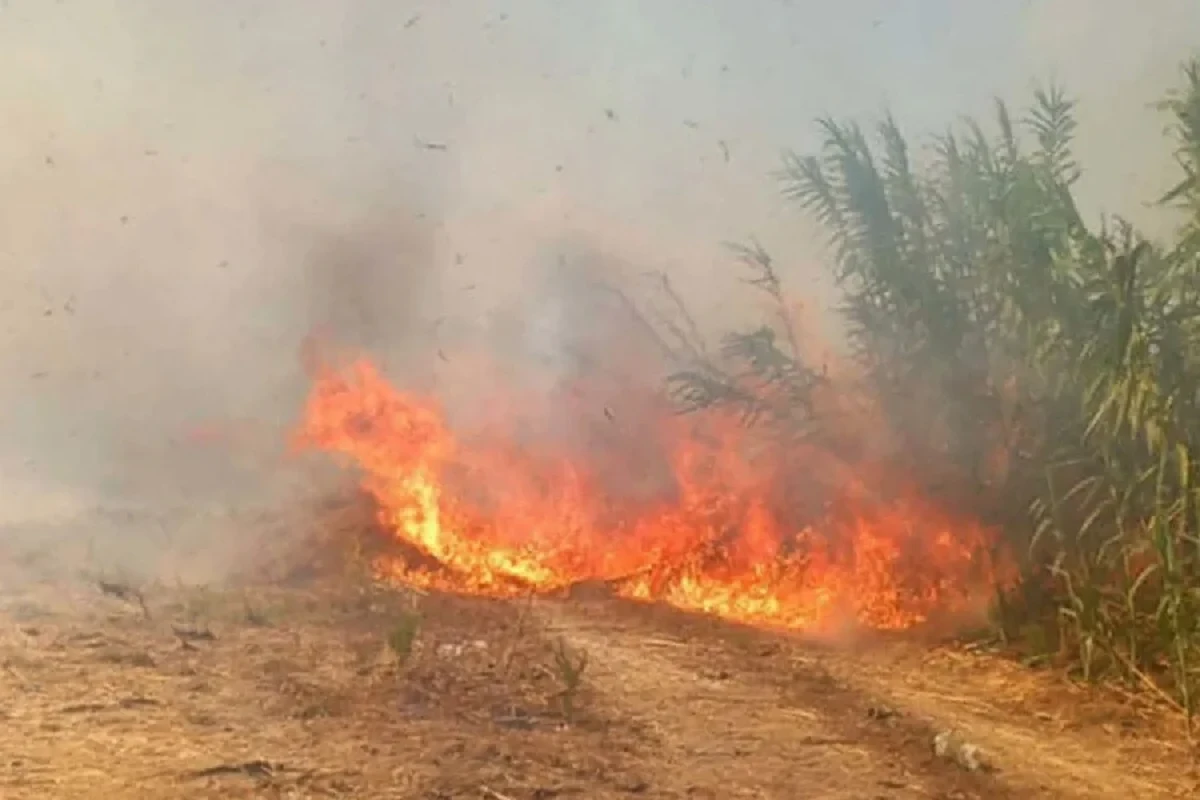
Several meteorological and environmental factors converge to create the elevated fire risk observed for Thursday. Firstly, persistently high temperatures across the country have led to significant desiccation of vegetation. This dry biomass acts as readily available fuel, allowing fires to ignite easily and spread rapidly. Secondly, wind patterns are a critical component of fire behavior. Strong winds can carry embers over long distances, creating new ignition points far from the original fire front, and can also intensify existing fires, making them more difficult to control. The forecast for Thursday indicates the presence of such wind conditions in many of the identified high-risk areas. Thirdly, the overall lack of significant rainfall in recent weeks has contributed to the dry soil and vegetation, further amplifying the fire danger. The cumulative effect of these factors creates a volatile environment where even a small spark can escalate into a major conflagration.
Preventative Measures and Public Responsibility
In response to the elevated fire risk, authorities are urging both residents and visitors to adhere strictly to fire prevention guidelines. A significant percentage of wildfires are attributed to human activities, making public cooperation paramount in mitigating the threat. Prohibited activities during high-risk periods include burning agricultural stubble, using outdoor grills or barbecues in forested or dry areas, and discarding lighted cigarettes or matches. Any activity that could generate sparks, such as welding or grinding, should be avoided in proximity to dry vegetation. Farmers are advised to take extra precautions when operating machinery that could inadvertently cause sparks. Furthermore, citizens are encouraged to ensure that their properties, especially those bordering wildland areas, are kept clear of dry grass, leaves, and other combustible materials. Creating defensible space around homes is a crucial step in protecting property from advancing fires.
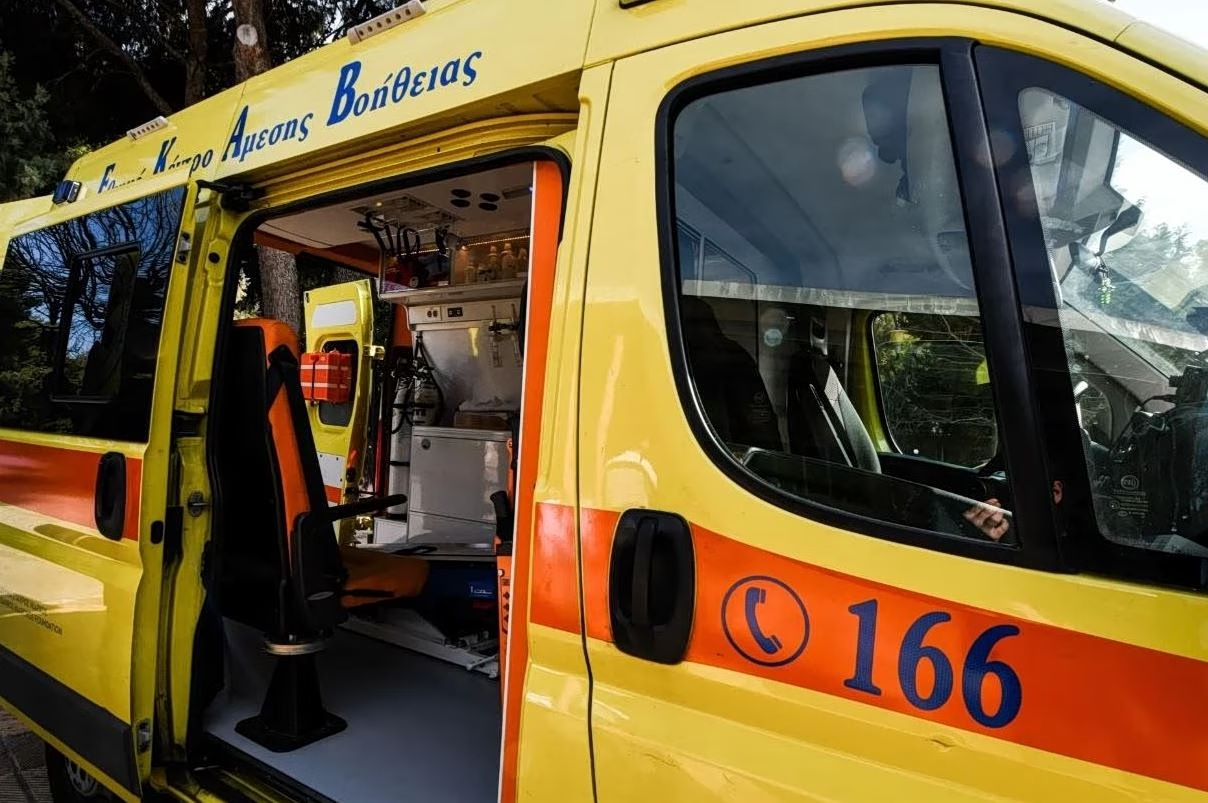
The Civil Protection agency also emphasizes the importance of immediate reporting of any signs of fire. Early detection is critical for effective firefighting efforts, as small fires are much easier to contain before they grow into uncontrollable blazes. Citizens are advised to call the emergency services immediately upon spotting smoke or flames, providing precise location details to facilitate a rapid response. The 112 emergency number serves as the primary contact for such incidents, connecting callers to fire services, police, and medical assistance.
Role of Emergency Services and Preparedness
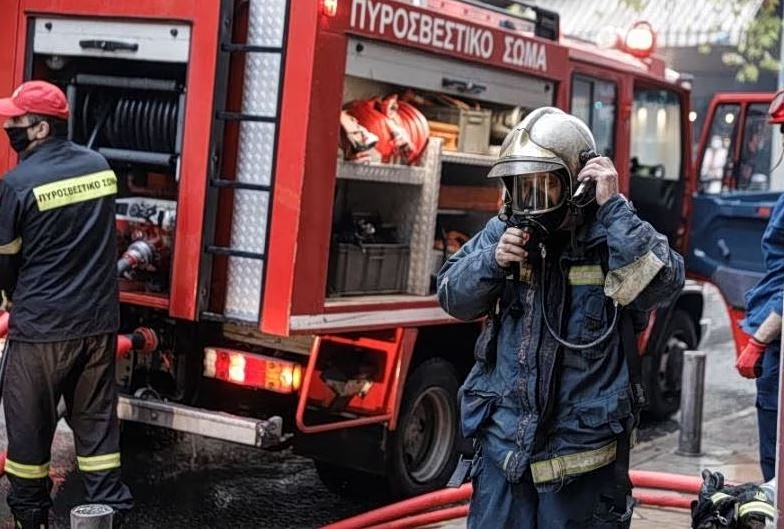
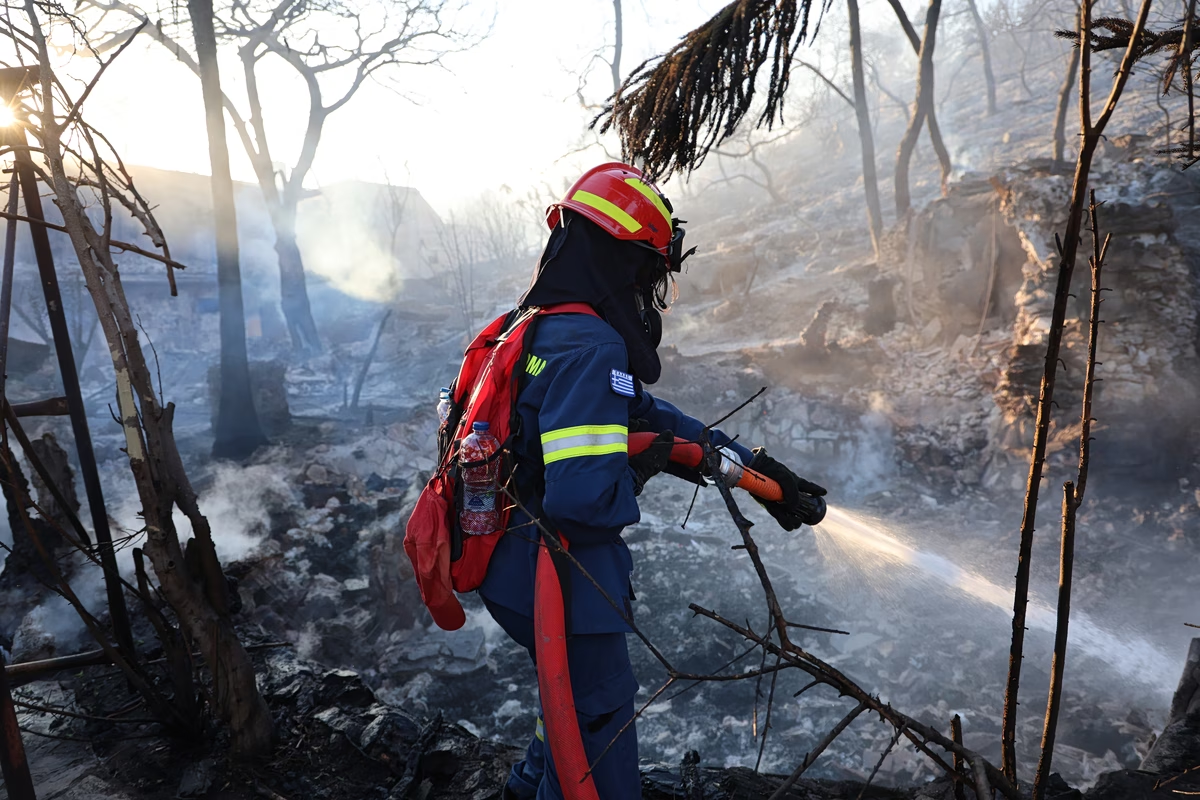
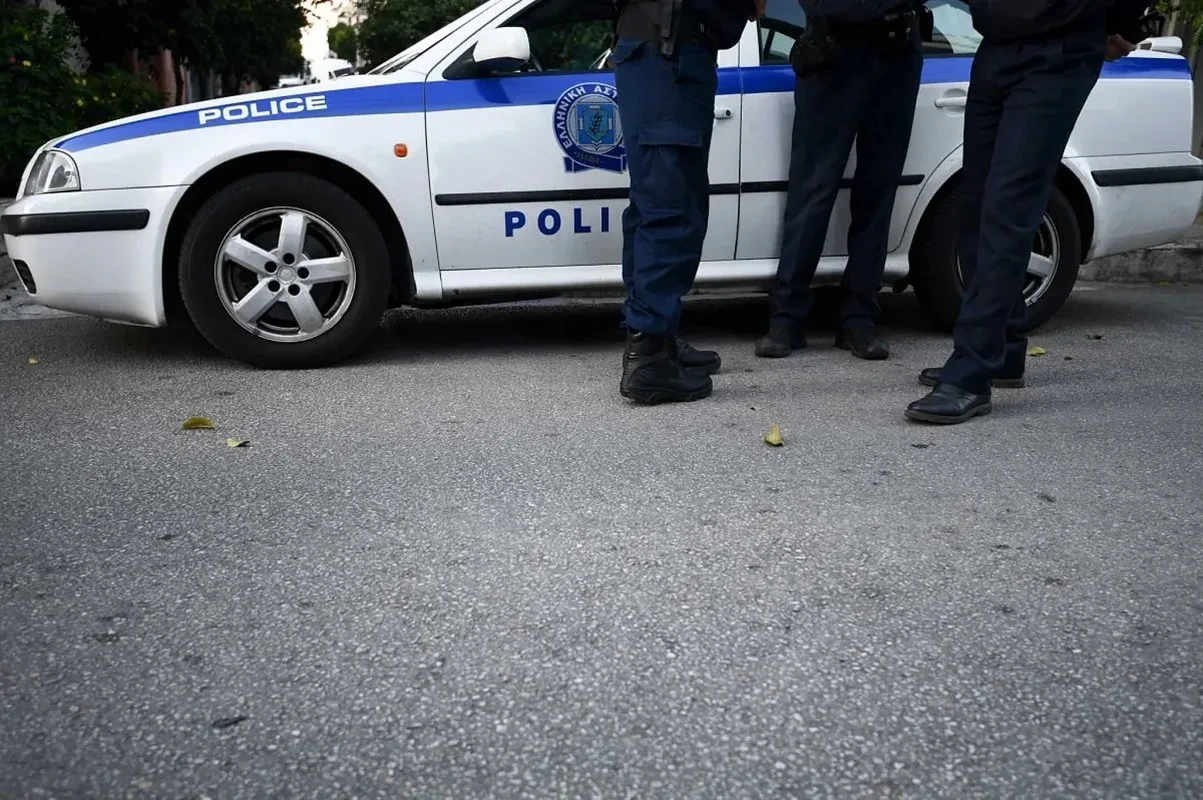
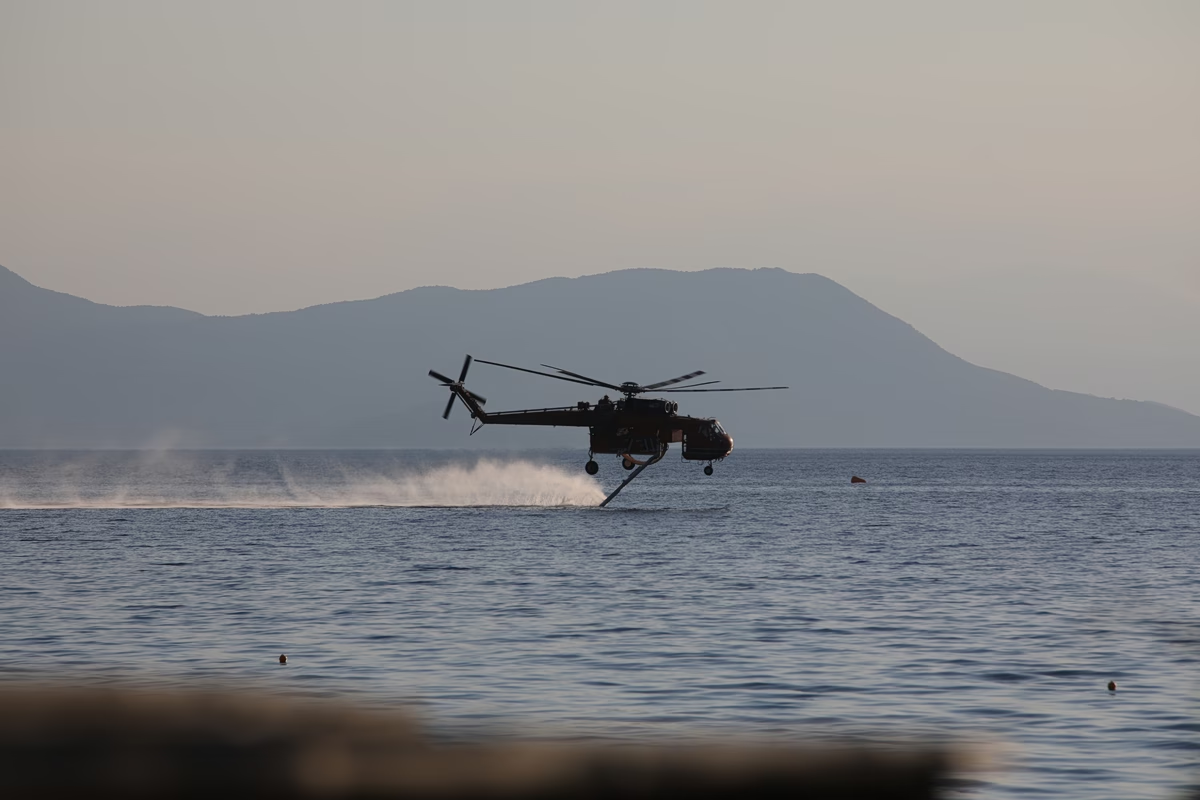
Emergency services, including the Fire Department, forestry services, and local municipal units, are on high alert and have activated their preparedness protocols for Thursday. This includes increasing patrol frequencies in vulnerable areas, pre-positioning firefighting aircraft and ground crews, and ensuring communication channels are robust. Collaboration between various agencies is key to a coordinated response, especially in larger incidents that require significant resources. Volunteer firefighting groups also play a crucial role, often providing the first line of defense in remote or hard-to-reach locations. Training and readiness exercises are conducted regularly to ensure that personnel are equipped to handle the challenges posed by wildfires, particularly in dynamic and unpredictable conditions.
Long-Term Strategies for Wildfire Management
While immediate response and prevention are critical for managing current fire risks, Greece is also focusing on long-term strategies for wildfire management. These include sustainable forest management practices, such as controlled burns and selective thinning, to reduce fuel loads. Investment in advanced surveillance technologies, including drones and satellite monitoring, aims to improve early detection capabilities. Public education campaigns are ongoing to foster a culture of fire safety and environmental responsibility. Furthermore, urban planning initiatives are increasingly incorporating fire-resistant construction materials and designs, particularly in areas prone to wildfires. Addressing climate change, which contributes to hotter and drier conditions, remains a fundamental, albeit complex, long-term challenge for the region. The continuous effort to adapt and innovate in wildfire management is essential for protecting Greece's natural heritage and its communities.
Looking Ahead: Continued Vigilance
The high fire risk forecast for Thursday serves as a stark reminder of the ongoing challenges posed by wildfires, especially during the summer months. The combination of environmental conditions and human activity necessitates a collective effort to prevent catastrophic events. Authorities will continue to monitor meteorological conditions closely and update risk assessments as needed. The public is urged to stay informed through official channels and to remain vigilant in their daily activities, recognizing their vital role in protecting lives, property, and the natural environment from the devastating impact of wildfires. Adherence to safety protocols and prompt reporting of incidents are the most effective tools in mitigating the threat.