Incident at Diavata Prison
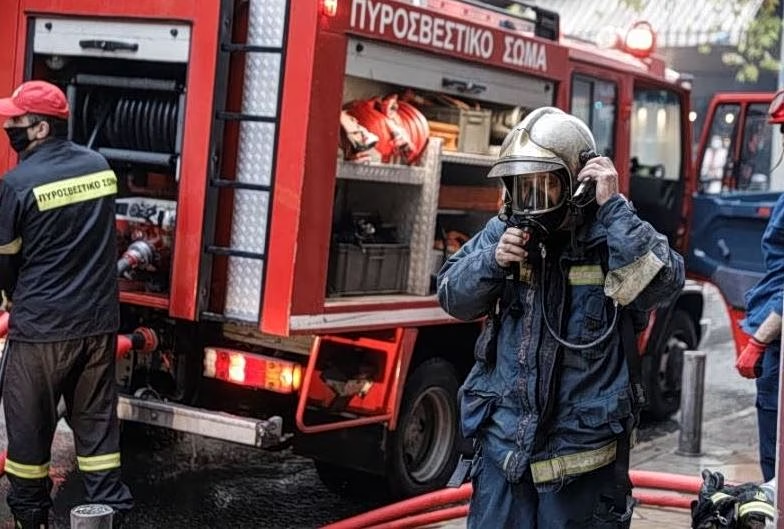
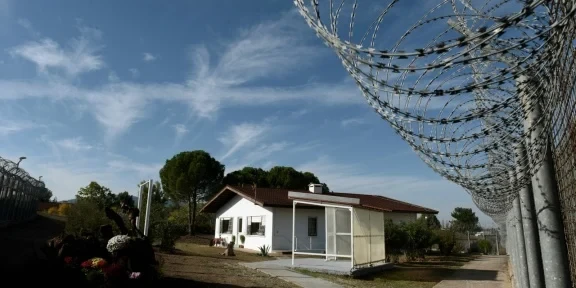
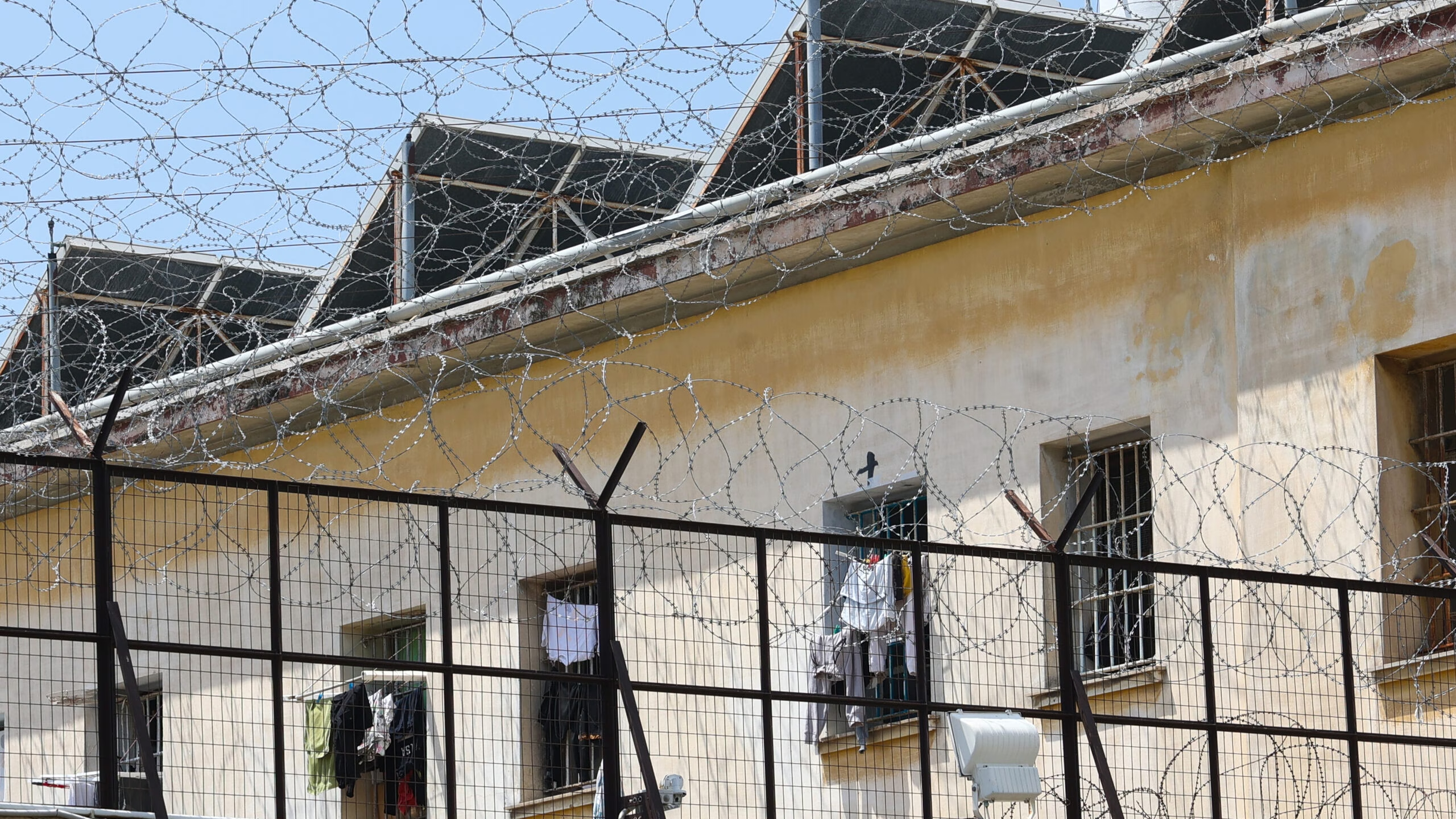
A recent incident at the Diavata Prison in Thessaloniki led to the hospitalization of three inmates following a fire within their cell. The event, which prompted immediate response from prison staff and emergency services, has initiated an official inquiry into its origins and progression. Such occurrences within correctional facilities often raise questions about safety protocols, inmate well-being, and the overall management of prison environments. The Diavata Prison, like many large correctional institutions, houses a significant population, making fire safety and emergency response critical components of its operational framework.
The fire, while contained, necessitated medical attention for those directly affected, underscoring the inherent dangers associated with such incidents in confined spaces. Prisons are inherently complex environments, characterized by high population densities, limited escape routes, and the potential for rapid fire spread if not properly managed. This particular event highlights the constant vigilance required to maintain order and ensure the safety of both inmates and staff within these challenging settings. The prompt action taken by the prison authorities to bring the situation under control was crucial in preventing a more widespread and potentially catastrophic outcome.
Emergency Response and Inmate Condition
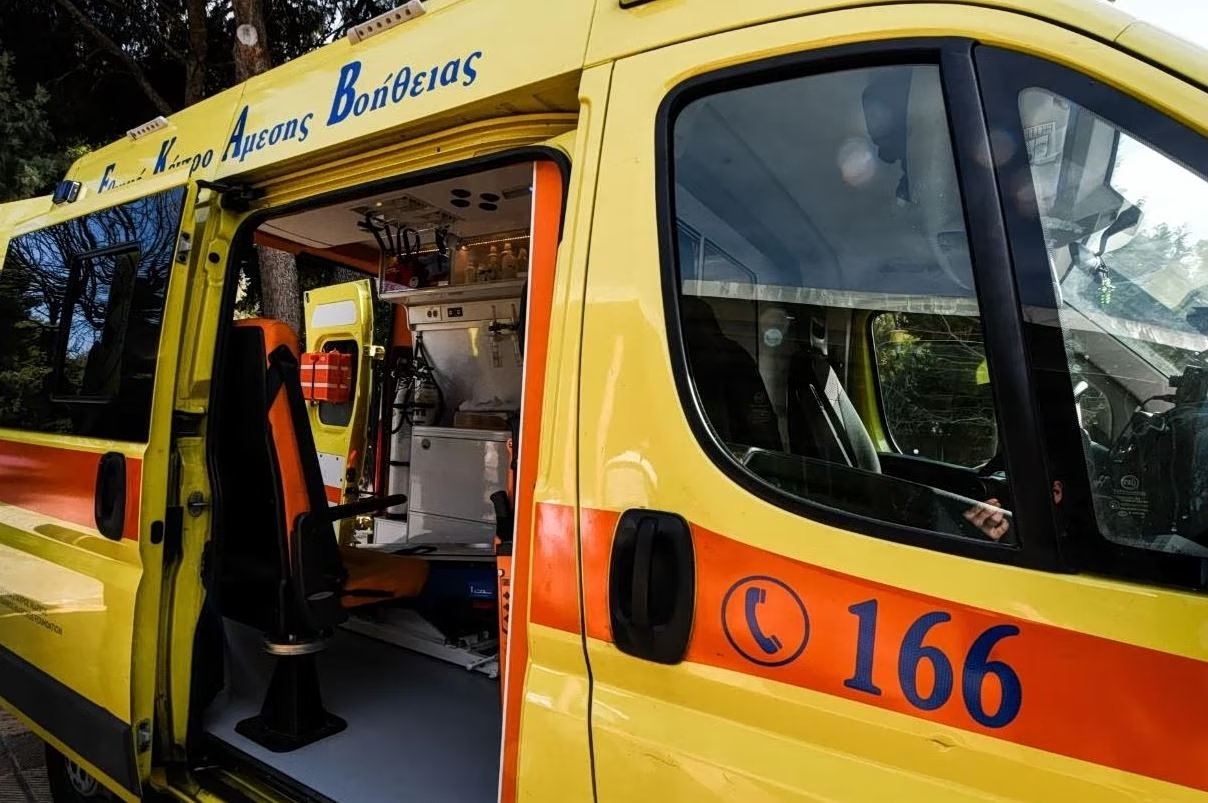
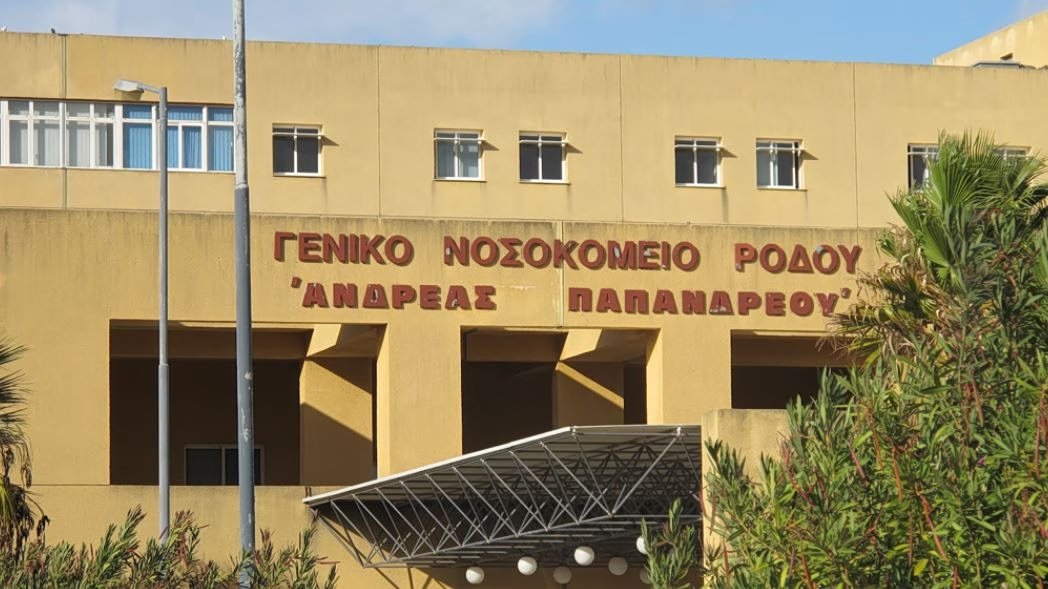
Upon the detection of the fire, prison personnel initiated emergency protocols, working to extinguish the blaze and secure the area. Simultaneously, medical assistance was summoned to assess and address the health needs of the inmates involved. The three individuals were subsequently transported to a local hospital for further evaluation and treatment. While specific details regarding their conditions have not been publicly released, such hospitalizations typically indicate exposure to smoke inhalation or other fire-related injuries that require specialized medical care beyond what can be provided within the prison's infirmary. The swift transfer to an external medical facility demonstrates a commitment to prioritizing inmate health in emergency situations.
The emergency response mechanism within correctional facilities is a multifaceted system designed to handle a range of crises, from medical emergencies to disturbances and fires. This system relies on well-trained staff, clear communication channels, and access to necessary equipment. The effectiveness of this system is frequently tested during real-world incidents, and each event provides valuable lessons for future improvements. The immediate aftermath of such an incident often involves a thorough review of the response to identify strengths and areas for enhancement, ensuring that future emergencies can be managed even more effectively.
Investigation Underway
Following the containment of the fire and the transfer of the injured inmates, a comprehensive investigation has been launched to determine the exact cause of the incident. Authorities are meticulously examining the cell, interviewing witnesses, and reviewing any available surveillance footage to reconstruct the events leading up to the blaze. The scope of the investigation will likely cover various possibilities, including accidental ignition, electrical malfunction, or deliberate action. Understanding the root cause is paramount not only for accountability but also for implementing preventative measures to avert similar incidents in the future.
Investigations into prison incidents are often complex, requiring collaboration between various departments, including prison administration, fire services, and potentially law enforcement agencies. The findings of such an inquiry can lead to significant changes in prison policies, facility upgrades, or adjustments in inmate management strategies. Transparency in these investigations is also crucial for maintaining public trust and demonstrating a commitment to humane treatment within the correctional system. The process of gathering evidence and drawing conclusions can be time-consuming, but it is a necessary step in ensuring the safety and security of the prison environment.
Challenges of Prison Environments
Correctional facilities face a unique set of challenges in maintaining safety and order. Overcrowding, aging infrastructure, and the psychological stress experienced by inmates can all contribute to an elevated risk of incidents such as fires. The Diavata Prison, like many others in Greece and globally, operates within these constraints, constantly striving to balance security needs with the provision of a safe and rehabilitative environment. Fire safety, in particular, requires continuous attention, including regular drills, maintenance of fire suppression systems, and strict adherence to regulations regarding flammable materials.
The psychological impact of incarceration on inmates can also play a role in incidents within prisons. Stress, frustration, and mental health issues can sometimes lead to desperate acts or negligence that result in dangerous situations. Therefore, a holistic approach to prison management often includes not only physical security measures but also programs aimed at addressing the mental and emotional well-being of the inmate population. These programs can range from counseling services to educational and vocational training, all designed to reduce tensions and promote a more stable environment.
Preventative Measures and Future Outlook
Preventing fires in prison cells involves a multi-pronged approach. This includes regular inspections of electrical systems, strict control over items allowed within cells, and the implementation of advanced fire detection and suppression technologies. Furthermore, ongoing training for prison staff on emergency response procedures and fire safety protocols is essential. The incident at Diavata Prison serves as a stark reminder of the continuous need for vigilance and investment in these preventative measures to safeguard the lives of both inmates and staff.
The long-term outlook for prison safety involves a commitment to modernizing facilities, adopting best practices from international correctional standards, and fostering a culture of safety among all stakeholders. While incidents like the one at Diavata Prison are unfortunate, they provide critical opportunities for review, reflection, and ultimately, improvement. The focus remains on learning from these events to create safer, more secure, and more humane correctional environments for all individuals involved. The findings of the current investigation will undoubtedly contribute to this ongoing effort, potentially leading to revised protocols or enhanced safety features within the prison system.