Overview of the Incident
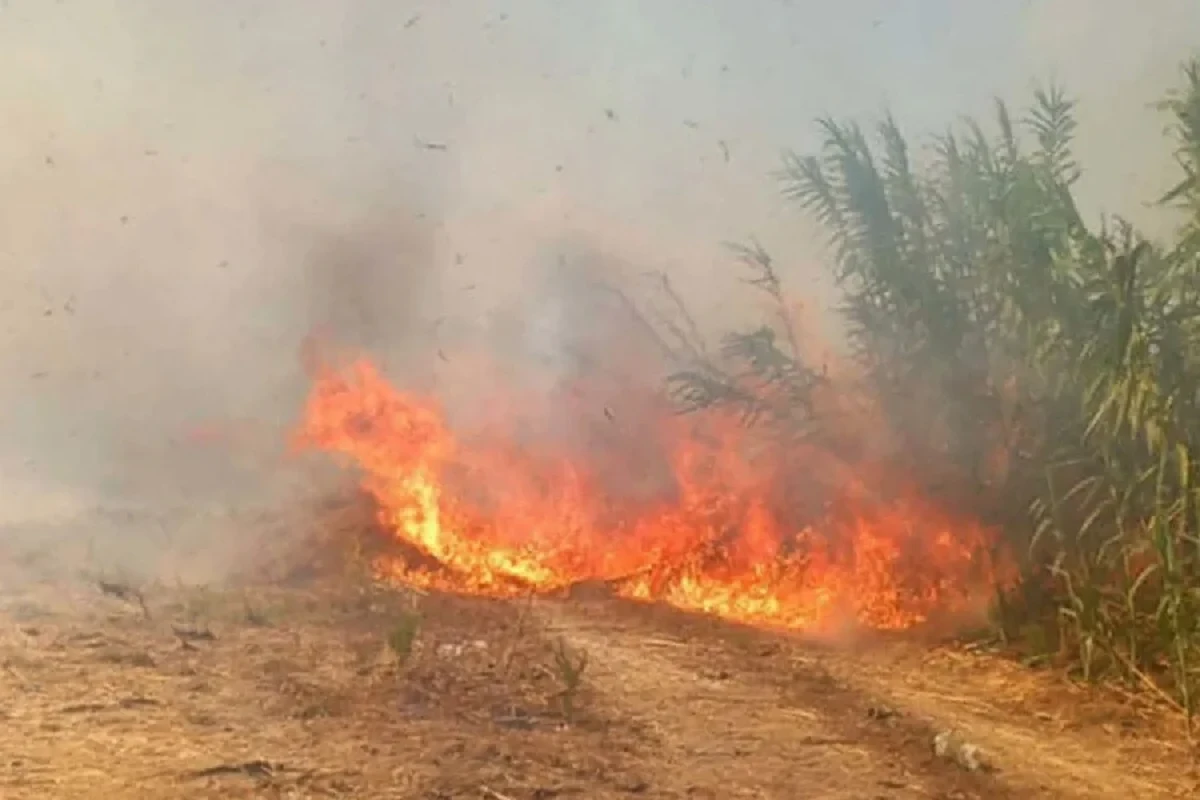
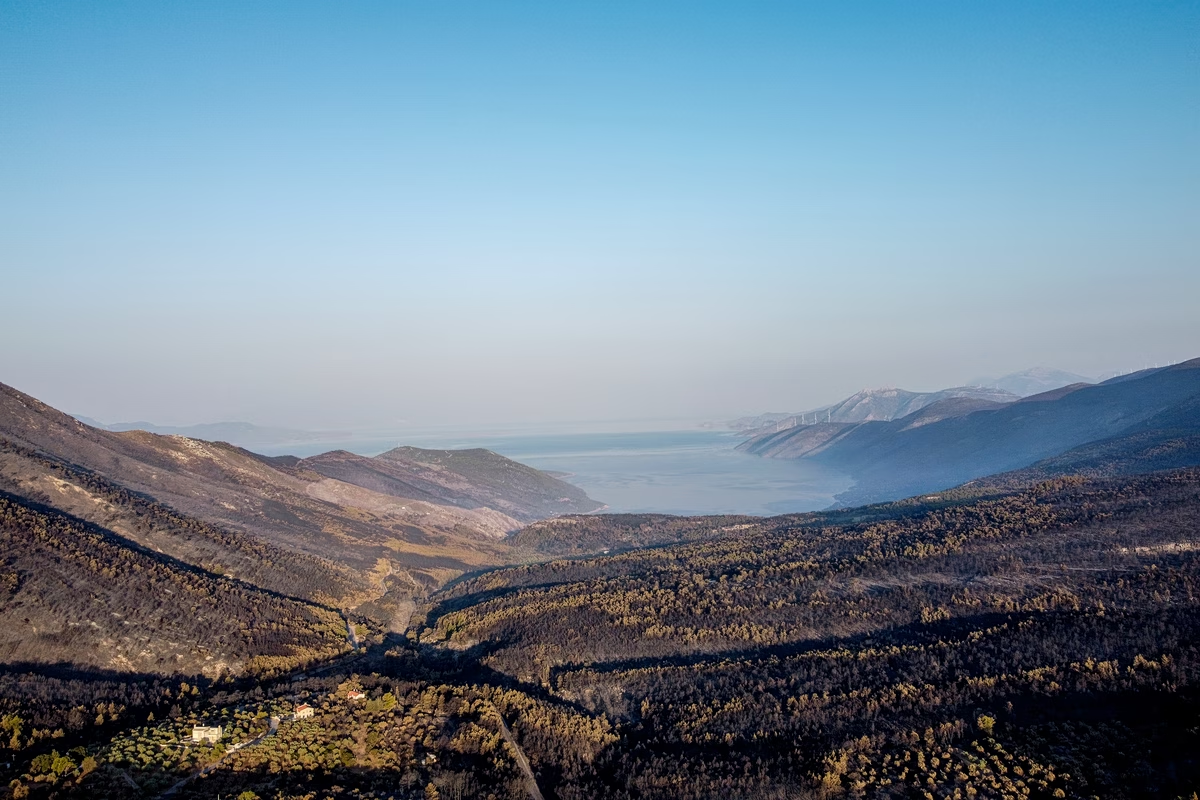
A significant forest fire has been reported in the Ioannina area, initiating a swift and comprehensive response from emergency services. The incident, which began recently, has necessitated the deployment of both ground personnel and aerial support to effectively combat the flames and prevent further spread. Authorities are working diligently to assess the full scope of the fire and implement strategies for its containment.
The affected region, characterized by its dense forestland, presents unique challenges for firefighting operations. The terrain and vegetation types can influence the speed and intensity of the blaze, making rapid intervention crucial. Initial reports indicate that the fire is actively burning, and while the exact cause is yet to be determined, investigations will likely follow once the immediate threat is neutralized.
Mobilization of Firefighting Resources
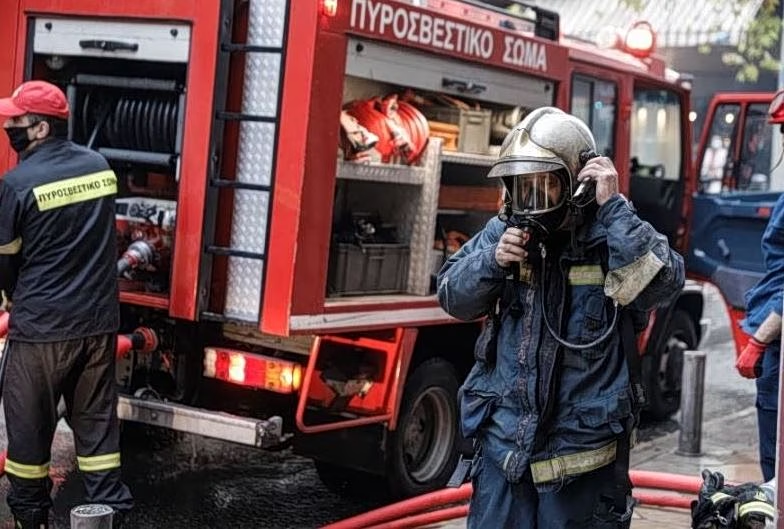
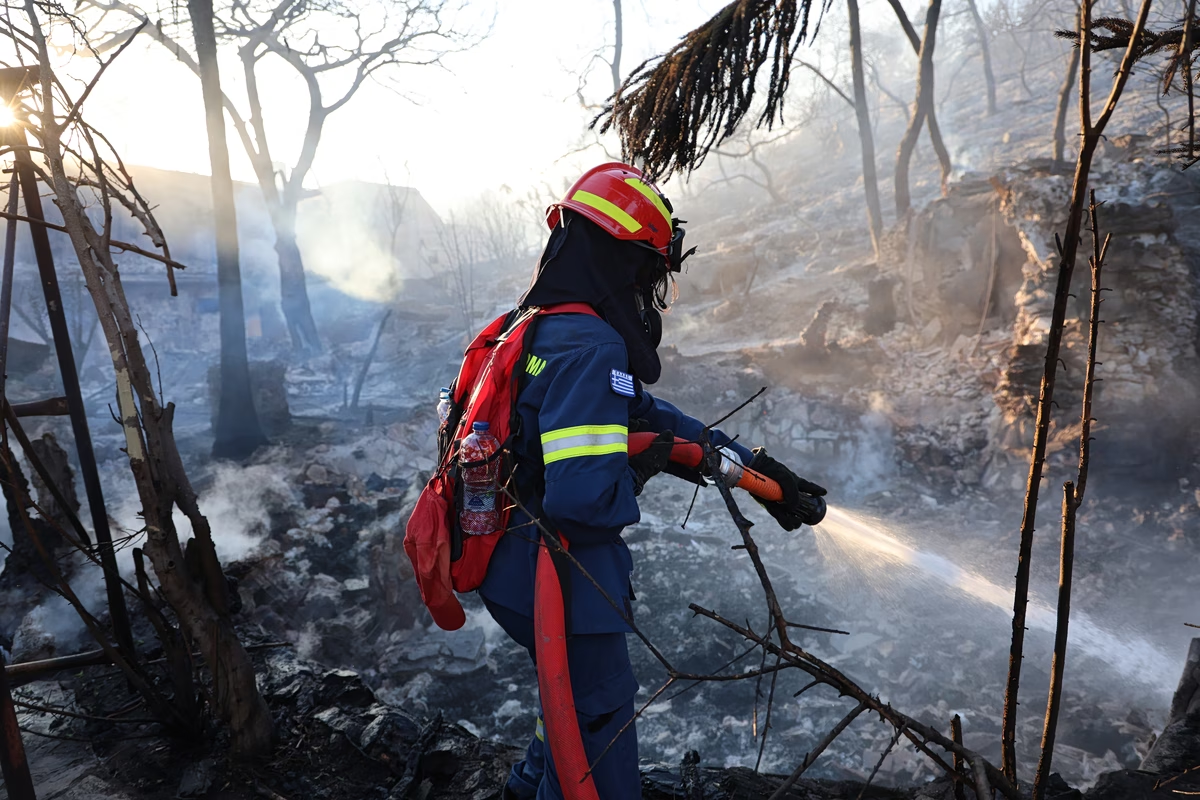
In response to the developing situation, a specialized team of firefighters has been dispatched to the scene. This contingent comprises twelve firefighters, including a dedicated ground unit from the 5th Emergency Special Forest Firefighting Operations Department (E.MO.D.E.). Their expertise in navigating challenging forest environments and directly engaging with active fire fronts is considered invaluable in such circumstances. These ground teams are equipped with essential tools and gear designed for prolonged operations in rugged terrain, focusing on creating firebreaks and directly suppressing flames.
Accompanying the ground personnel are two fire engines, which play a critical role in providing water supply and direct attack capabilities. These vehicles are essential for delivering large volumes of water to the fire line, supporting the efforts of the ground crews. Their mobility allows them to access various points around the perimeter of the fire, depending on the evolving conditions and accessibility of the terrain.
Aerial Support: A Critical Component
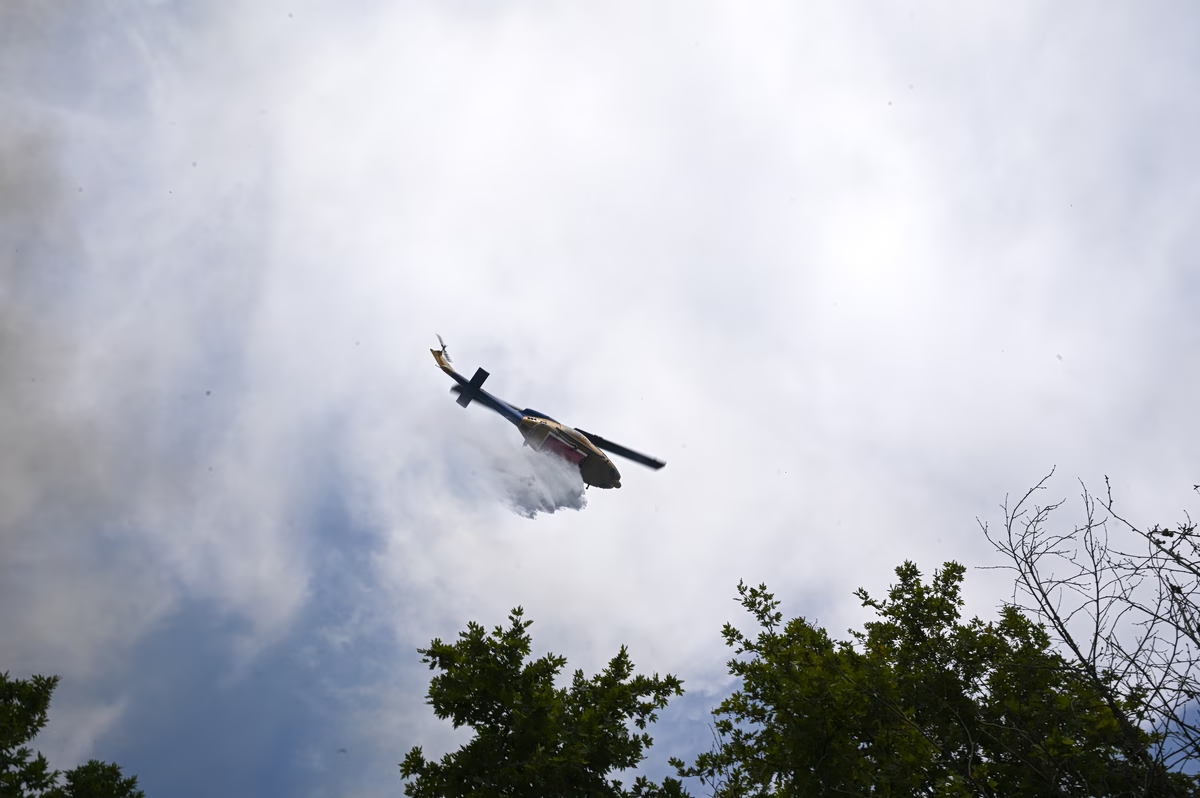
A pivotal element of the firefighting strategy involves the deployment of aerial assets. Specifically, one helicopter has been mobilized to provide crucial support from above. Aerial firefighting plays a significant role in large-scale forest fires, offering capabilities that ground units cannot replicate. Helicopters can rapidly transport water or fire retardant to hot spots, particularly in areas that are difficult or impossible for ground crews to reach due to steep slopes, dense vegetation, or active fire fronts.
The use of a helicopter allows for a more comprehensive overview of the fire's progression, enabling incident commanders to make informed decisions regarding resource allocation and tactical approaches. It can also be instrumental in creating containment lines by dropping water or retardant ahead of the fire's path, thereby slowing its advance and allowing ground crews to consolidate their efforts. The coordinated action between ground and aerial units is paramount for maximizing efficiency and effectiveness in fire suppression.
Challenges and Strategies
Forest fires, especially in regions with extensive wooded areas like Ioannina, pose several challenges. The dry conditions often prevalent during certain seasons can significantly increase the risk of ignition and the rapid spread of fires. Wind patterns can also be a major factor, pushing flames in unpredictable directions and making containment more difficult. The type of vegetation – whether it's dense undergrowth, mature trees, or a mix – also influences how intensely a fire burns and how quickly it consumes fuel.
Firefighting strategies typically involve a multi-pronged approach. Initial response focuses on containing the fire's perimeter to prevent its expansion. This often involves creating firebreaks, which are areas cleared of combustible materials, to starve the fire of fuel. Direct attack methods, using water and fire retardants, are employed to cool down active flames and extinguish burning materials. Indirect attack strategies might involve setting controlled backfires, where a small fire is intentionally started ahead of the main blaze to consume fuel in its path, thereby creating a barrier against the advancing fire. However, backfires are a high-risk strategy and are only used under very specific conditions and with careful planning.
Protecting Communities and Environment
Beyond the immediate goal of extinguishing the fire, emergency services also focus on protecting nearby communities, infrastructure, and ecologically sensitive areas. The potential for smoke inhalation, property damage, and long-term environmental degradation makes forest fires a serious concern. Evacuation protocols may be initiated if residential areas are threatened, ensuring the safety of residents. Environmental impact assessments will likely follow the containment of the fire to understand the damage to local ecosystems, including flora and fauna, and to plan for rehabilitation efforts.
The long-term effects of forest fires can be profound. They can lead to soil erosion, especially on slopes, as the protective vegetation cover is removed. This can, in turn, affect water quality and contribute to landslides. The loss of habitat can also have significant impacts on wildlife populations. Therefore, the efforts to suppress these fires are not just about immediate containment but also about mitigating broader ecological consequences.
Community Awareness and Prevention
The recurrence of forest fires underscores the importance of public awareness and prevention measures. Many forest fires are caused by human activities, whether accidental or intentional. This includes discarded cigarettes, unattended campfires, agricultural burning, and sparks from machinery. Educational campaigns often aim to inform the public about responsible behavior in forested areas, particularly during dry seasons when the risk is high.
Authorities also emphasize the importance of reporting fires immediately. Early detection can make a substantial difference in the ability to contain a fire before it escalates into a major incident. Citizens are encouraged to be vigilant and to contact emergency services as soon as they observe any signs of a fire, no matter how small it may seem. This collective responsibility plays a crucial role in safeguarding natural landscapes and preventing devastating wildfires.
Ongoing Efforts and Future Outlook
As the firefighting operations continue in Ioannina, the focus remains on bringing the blaze under control as quickly and safely as possible. The coordinated efforts of ground crews and aerial support are critical in this endeavor. The situation is being closely monitored by authorities, and updates will be provided as the incident progresses. The dedication of the emergency personnel involved highlights the continuous commitment to protecting both the natural environment and human settlements from the destructive force of wildfires.
Looking ahead, the lessons learned from this and other fire incidents will contribute to refining firefighting techniques, improving early warning systems, and strengthening prevention strategies. Investment in modern equipment, training for emergency responders, and community engagement programs are all vital components in building resilience against the threat of forest fires in vulnerable regions. The objective is to minimize both the frequency and the impact of such events in the future.