Firefighters Achieve Containment in Gerakas
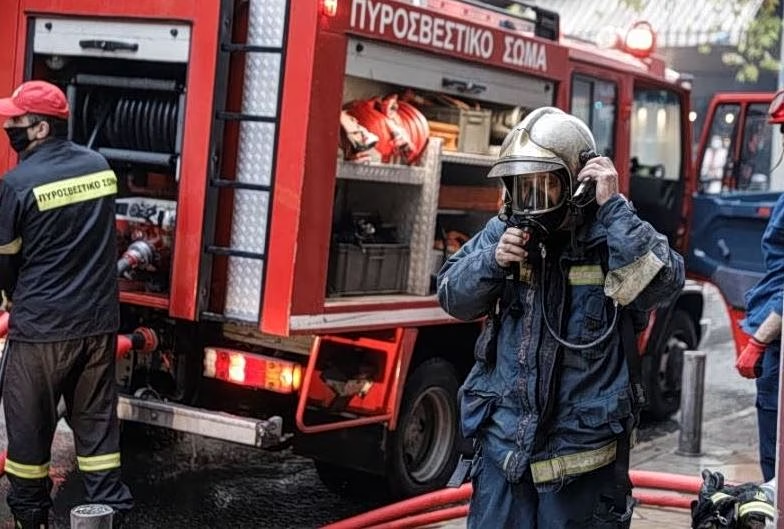
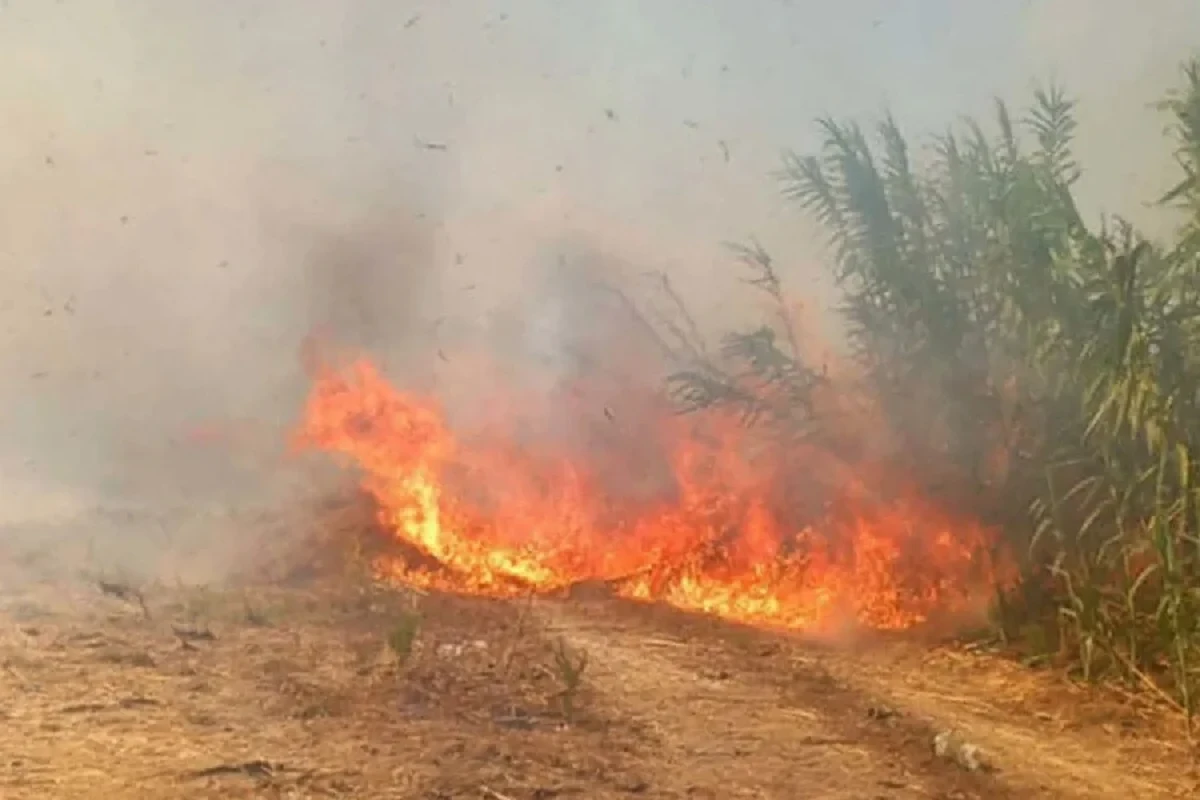
A substantial fire that ignited in the Gerakas region has been successfully contained, marking a critical achievement for the firefighting services deployed to the scene. The incident, which prompted a swift and comprehensive response from emergency personnel, saw multiple units working tirelessly to bring the blaze under control and prevent its further spread. The operation involved a coordinated effort, highlighting the efficiency and dedication of the emergency services in safeguarding both property and public safety.
The initial alert regarding the fire was disseminated through the emergency notification system, 112, at approximately 15:43 local time. This timely communication was crucial for informing residents in the broader Gerakas area about the unfolding situation and advising them on necessary precautions. Such alerts play a vital role in modern emergency management, enabling authorities to quickly reach a large number of people and provide real-time updates or instructions. The prompt issuance of this message underscored the seriousness of the incident and the immediate need for public awareness.
Deployment of Extensive Resources
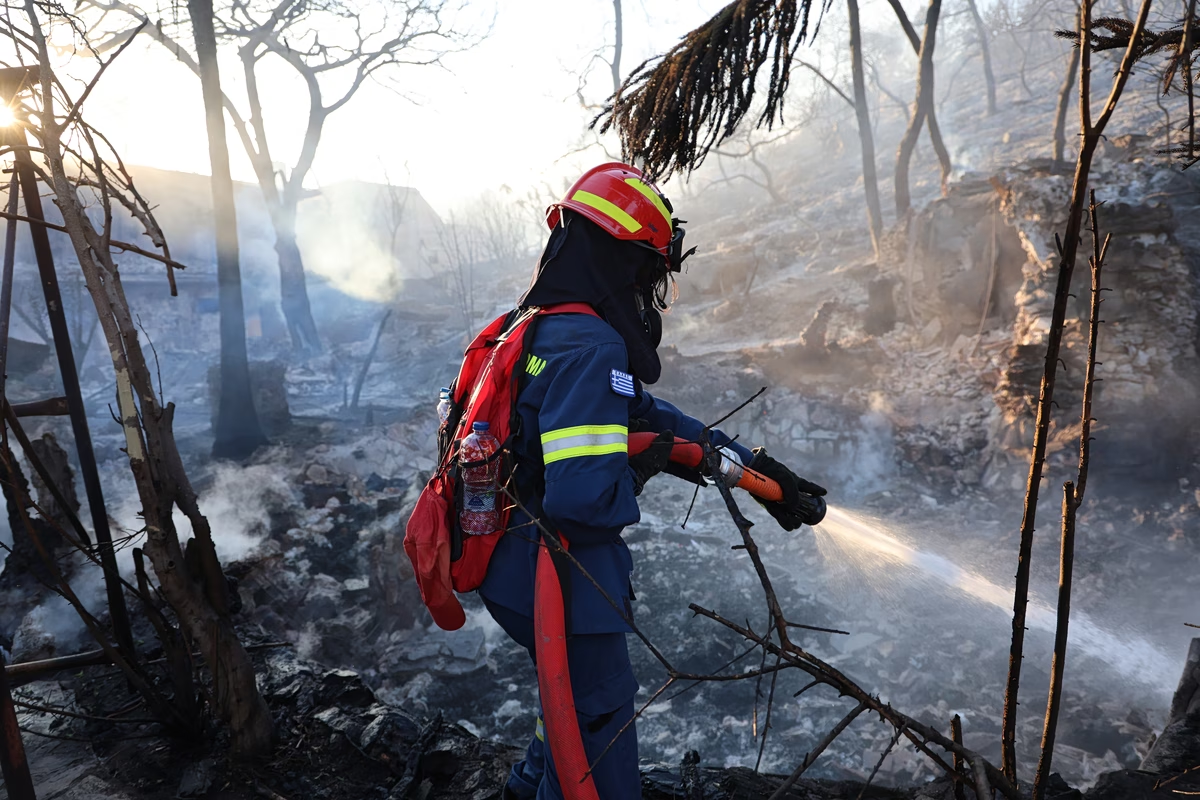
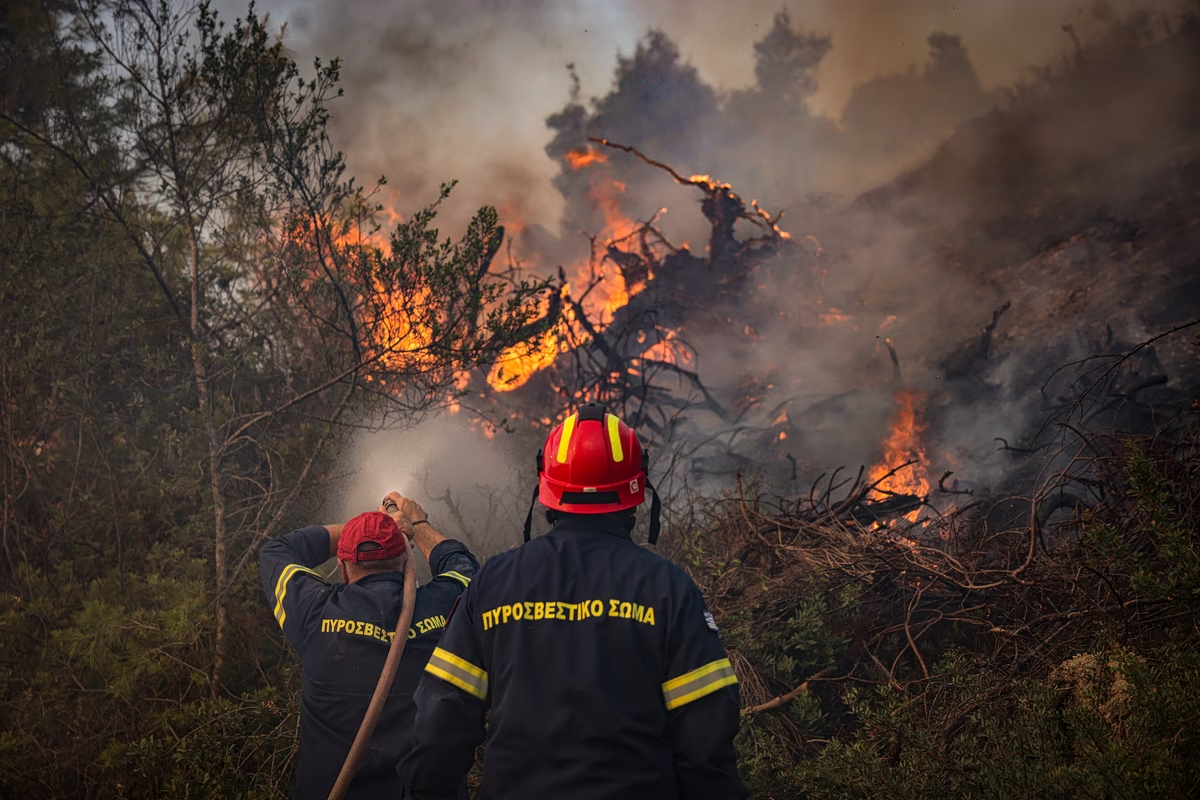
The containment of the fire was a direct result of the deployment of extensive resources from the fire department. Numerous fire engines, specialized vehicles, and a large contingent of firefighters were dispatched to the site shortly after the alarm was raised. These forces worked in challenging conditions, battling the flames across what is understood to be a complex terrain. The strategic positioning of equipment and the rapid response capabilities of the teams were instrumental in encircling the fire and preventing it from escalating into a larger, more destructive conflagration.
In addition to ground units, it is common for aerial assets, such as water-dropping aircraft or helicopters, to be utilized in such scenarios, especially in areas where access for ground vehicles is difficult or when a quick aerial assault is required to suppress intense flames. While specific details on aerial support for this particular incident were not immediately available, the scale of the response suggests a multi-faceted approach was likely employed to ensure effective containment. The integration of various firefighting methods is often key to achieving rapid control over wildfires.
Community and Environmental Impact
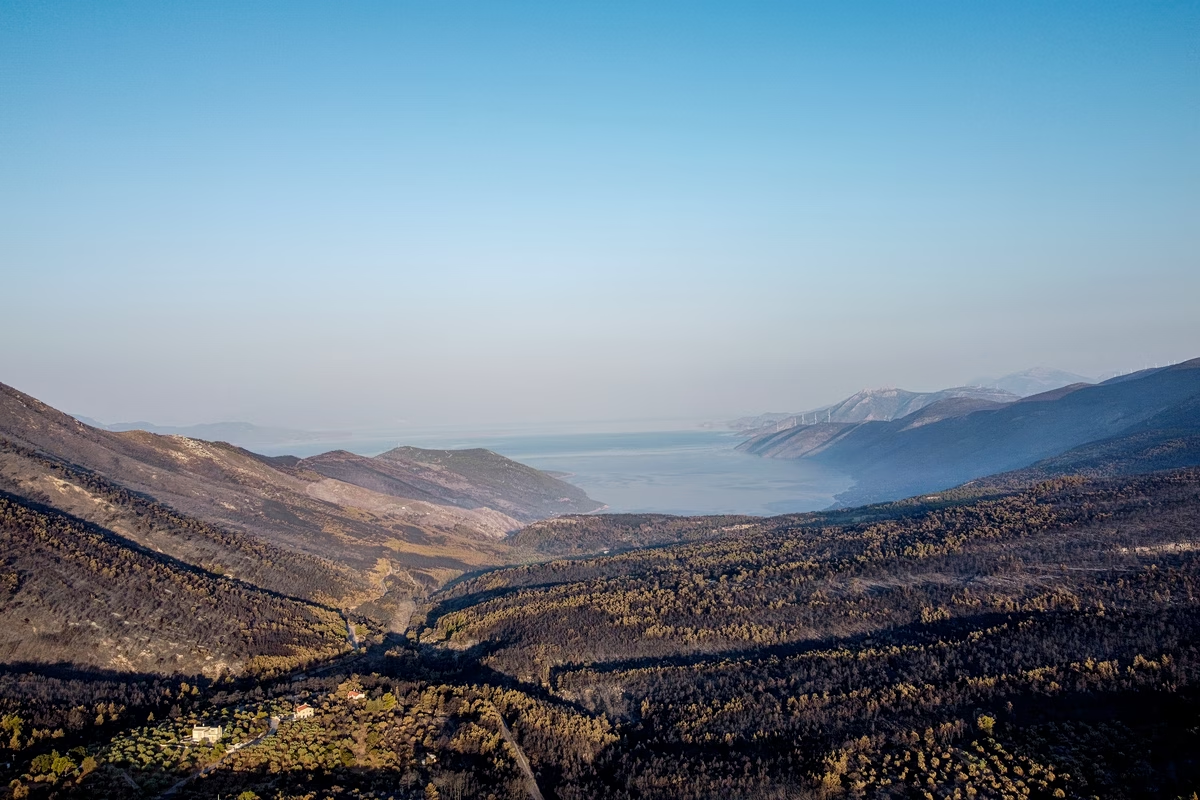
While the fire has been contained, the immediate aftermath often involves assessing the extent of the damage to both the natural environment and any properties that may have been affected. Fires, even when contained, can leave behind significant ecological scars, impacting local flora and fauna. The smoke plumes associated with such events can also affect air quality in surrounding residential areas, prompting health advisories for vulnerable populations. Authorities will now turn their attention to monitoring the area for any rekindling and initiating recovery efforts.
The quick action taken by the emergency services not only mitigated potential environmental damage but also protected residential zones that might have been at risk. The proximity of such incidents to populated areas always raises concerns about the safety of homes and infrastructure. The successful containment in Gerakas is therefore a testament to the preparedness and coordinated efforts of the emergency response teams, preventing what could have been a much more devastating outcome for the community.
The Role of Emergency Alert Systems
The issuance of the 112 alert highlights the increasing reliance on and effectiveness of modern emergency alert systems. These systems are designed to provide critical information to the public during crises, ranging from natural disasters to public safety threats. By delivering messages directly to mobile phones, they ensure that a wide audience is informed promptly, enabling individuals to take appropriate actions, such as evacuation or seeking shelter, as advised by authorities. This direct communication channel significantly enhances public safety protocols and emergency preparedness.
In the context of wildfires, early warnings are particularly crucial. They allow residents sufficient time to prepare, secure their properties, or evacuate if necessary, thereby reducing the risk of casualties and minimizing property damage. The 112 system, widely adopted across Europe, serves as a cornerstone of national emergency response frameworks, demonstrating a commitment to public safety through technological advancement and efficient communication strategies. The prompt alert in Gerakas exemplifies the system's utility in real-world emergency scenarios.
Ongoing Vigilance and Investigation
Despite the containment, the fire department typically maintains a strong presence in the affected area for an extended period. This ongoing vigilance is essential to manage hotspots, extinguish any smoldering embers, and prevent flare-ups, especially in conditions where dry vegetation and strong winds could contribute to a re-ignition. Post-containment operations are just as critical as the initial suppression efforts in ensuring that the fire is completely extinguished and the area is safe.
Furthermore, an investigation into the cause of the fire will likely commence. Determining the origin and cause of wildfires is a standard procedure that helps authorities understand patterns, implement preventive measures, and, if necessary, pursue legal action against those responsible. Such investigations are crucial for refining fire prevention strategies and educating the public on safe practices, particularly during periods of high fire risk. The precise details of how the fire in Gerakas started will be a key focus for investigators in the coming days and weeks.
Broader Implications for Fire Management
The incident in Gerakas also serves as a reminder of the broader challenges faced in fire management, particularly in regions prone to wildfires due to climate conditions and human activity. The increasing frequency and intensity of extreme weather events, including prolonged dry spells and heatwaves, exacerbate the risk of large-scale fires. This necessitates continuous investment in firefighting resources, advanced technology, and public awareness campaigns aimed at prevention.
Effective fire management involves a multi-pronged approach that includes not only rapid response capabilities but also proactive measures such as controlled burns, vegetation management, and strict enforcement of regulations regarding outdoor activities during high-risk periods. Community engagement and education are also vital components, empowering residents to understand risks and contribute to prevention efforts. The successful containment in Gerakas, while a relief, underscores the ongoing need for comprehensive and adaptive fire management strategies to protect communities and ecosystems in the face of evolving environmental challenges.
In conclusion, the swift and effective response by firefighting forces in Gerakas led to the successful containment of a significant blaze. The incident highlighted the critical role of emergency alert systems in public safety and showcased the dedication of emergency personnel. As the area enters a recovery phase, ongoing vigilance and thorough investigation will be paramount to ensure complete suppression and to inform future prevention efforts against similar threats.