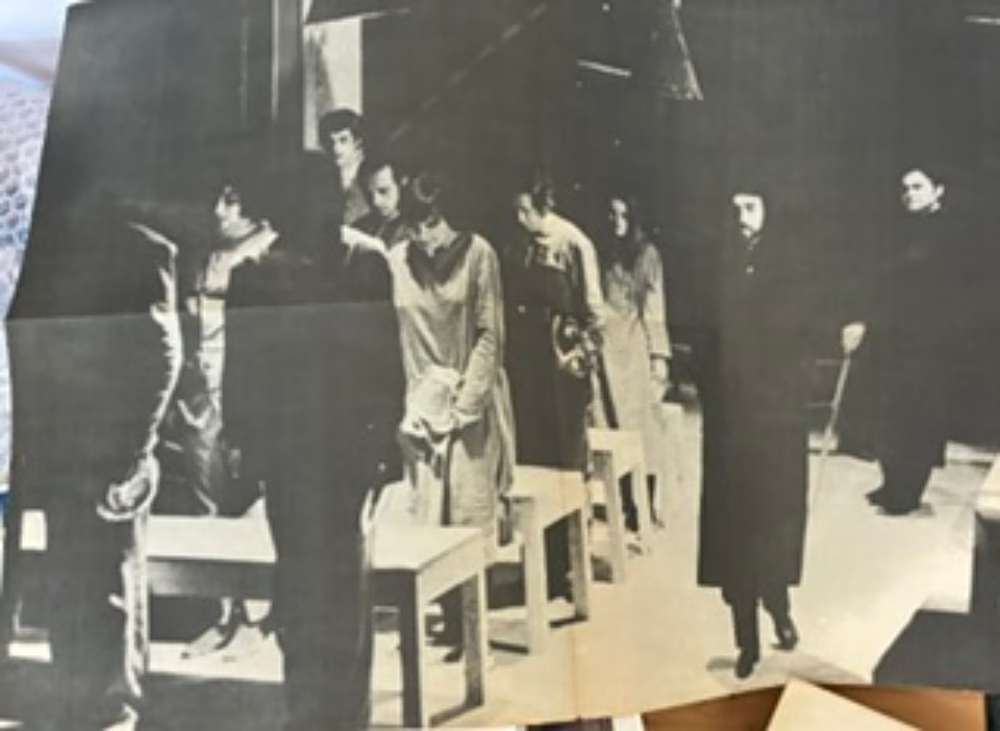
Major Acquisition Bolsters National Theater Museum's Holdings
The Greek Ministry of Culture has announced a significant expansion of the Theater Museum's collections, marking a pivotal moment in the preservation and exhibition of the nation's theatrical heritage. This strategic acquisition includes a vast historical archive and a collection of theatrical costumes from the acclaimed 'Desmoi' group, promising to offer a more comprehensive narrative of Greek theater from the 19th century through to contemporary productions.
The initiative underscores the ministry's commitment to safeguarding and promoting the rich cultural legacy of Greece. By incorporating these new materials, the Theater Museum is poised to become an even more robust repository of theatrical history, providing researchers, artists, and the general public with unparalleled access to the evolution of performance arts in the country.
The Significance of the 'Desmoi' Collection
The inclusion of the 'Desmoi' group's costumes and archives is particularly noteworthy. 'Desmoi,' a theatrical ensemble that made significant contributions to Greek theater, is celebrated for its innovative approaches and influential productions. Their work often challenged conventional norms and pushed the boundaries of artistic expression, leaving an indelible mark on the theatrical landscape.
The costumes, meticulously preserved, are not merely garments but tangible artifacts that encapsulate the aesthetic sensibilities and thematic concerns of their respective eras. Each costume tells a story, reflecting the character, the play's context, and the broader socio-cultural environment in which it was conceived. For theater scholars, these items offer invaluable insights into performance practices, costume design evolution, and the material culture of Greek theater.
Beyond the costumes, the accompanying archives are expected to contain a wealth of primary source materials. This could include scripts, production notes, correspondence, photographs, posters, and critical reviews. Such documents are crucial for reconstructing the creative processes behind 'Desmoi's' productions and understanding their reception by both critics and audiences. They provide a window into the intellectual and artistic currents that shaped the group's work, offering a nuanced perspective on their impact.
Broadening the Scope: From the 19th Century to Today
The Ministry's overarching goal is to ensure that the Theater Museum's collections adequately represent the full sweep of Greek theatrical activity. The 19th century marked a period of significant development for modern Greek theater, as it began to forge its own identity distinct from ancient Greek drama and Byzantine liturgical performances. The acquisition of materials from this era will shed light on the formative years of contemporary Greek theater, illustrating the emergence of new genres, playwrights, and theatrical institutions.
As the collection extends to the present day, it will also encompass the diverse and dynamic landscape of 20th and 21st-century Greek theater. This includes the experimental movements, the influence of international trends, the rise of independent companies, and the engagement with contemporary social and political issues through performance. The museum aims to document these developments comprehensively, showcasing the continuous evolution and adaptability of Greek theatrical art.
The Role of the Theater Museum
The Theater Museum serves as a vital institution for the cultural life of Greece. Its mission encompasses not only the preservation of historical artifacts but also the promotion of theatrical education and appreciation. By expanding its collections, the museum reinforces its position as a central hub for research and public engagement.
The newly acquired materials will undoubtedly enhance the museum's exhibition capabilities. Curators will be able to develop more detailed and engaging displays, offering visitors a richer and more immersive experience. The archives, in particular, will be an invaluable resource for academics and students undertaking research into Greek theatrical history, providing access to primary sources that might otherwise be dispersed or inaccessible.
Furthermore, the museum often hosts educational programs, workshops, and lectures. The enriched collections will provide fresh content and inspiration for these initiatives, allowing the museum to connect with diverse audiences, from schoolchildren to aspiring theater practitioners. The goal is to foster a deeper understanding and appreciation for the performing arts, ensuring that the legacy of Greek theater continues to inspire future generations.
Future Implications for Cultural Heritage
This initiative by the Ministry of Culture is part of a broader national effort to strengthen cultural institutions and safeguard national heritage. In an era where digital information often takes precedence, the physical preservation of historical artifacts and archives remains paramount. These tangible links to the past offer a unique connection to the creative endeavors and societal values of previous generations.
The continuous growth of the Theater Museum's collections also signals a recognition of theater's integral role in shaping national identity and discourse. Theater has historically served as a mirror to society, reflecting its triumphs, struggles, and aspirations. By preserving this history, the ministry ensures that these reflections remain accessible for future interpretation and study.
The process of acquiring, cataloging, and conserving these new materials is a complex undertaking, requiring specialized expertise and resources. It involves meticulous work to ensure the long-term preservation of delicate costumes and fragile documents. The Ministry of Culture's investment in this area demonstrates a commitment not only to acquisition but also to the responsible stewardship of these invaluable assets.
In conclusion, the expansion of the Theater Museum's collections with historical archives and the 'Desmoi' group's costumes represents a significant advancement for Greek cultural heritage. It enriches the national narrative of theater, provides crucial resources for research and education, and ensures that the vibrant history of Greek performance art continues to be celebrated and understood for generations to come. This move solidifies the museum's standing as a premier institution dedicated to the performing arts, offering a comprehensive and evolving panorama of Greece's theatrical journey.