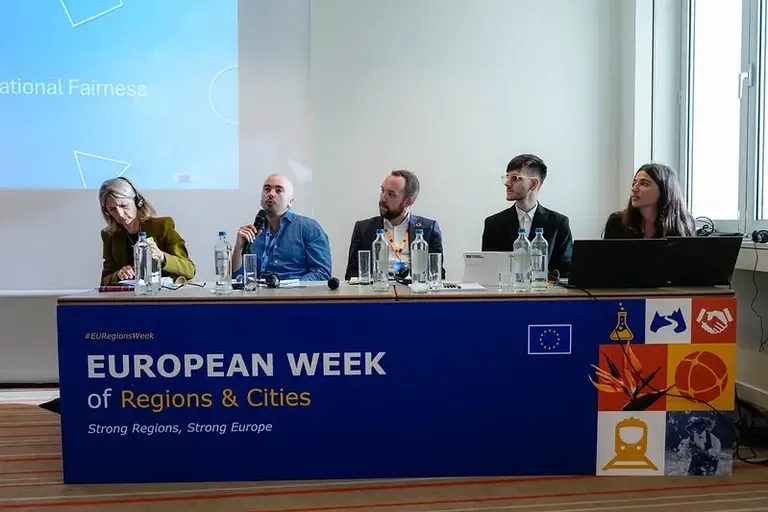
Why is youth involvement crucial in shaping the future?
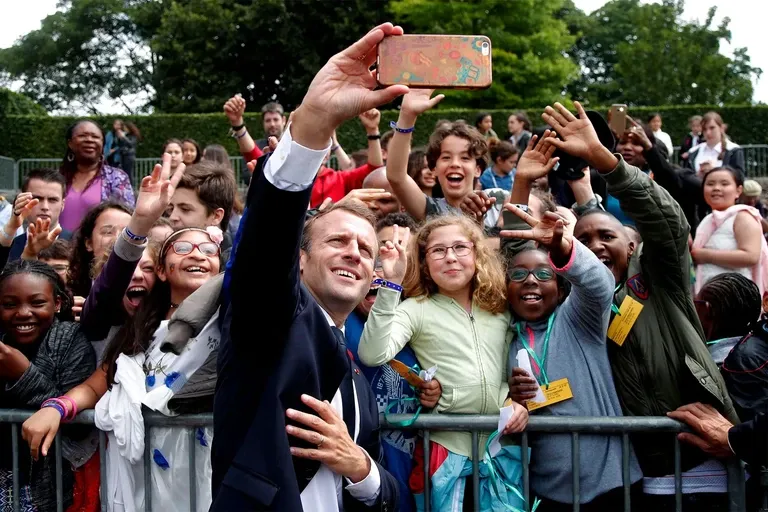
Youth involvement in shaping the future is crucial because it ensures that policies are sustainable and inclusive. Young people bring fresh perspectives and innovative ideas that can address both current and future challenges. According to the European Committee of the Regions, involving youth in decision-making processes helps align policies with the long-term needs of society.
The core of the issue lies in the gap between immediate political needs and long-term societal health. When young people are excluded, policies tend to focus on the present moment, often ignoring the ripple effects that decisions will have decades down the line. By bringing youth to the table, decision-makers can bridge this gap, ensuring that the world being built today is one that the next generation can actually inhabit and thrive in.
How does strategic foresight aid policy making?
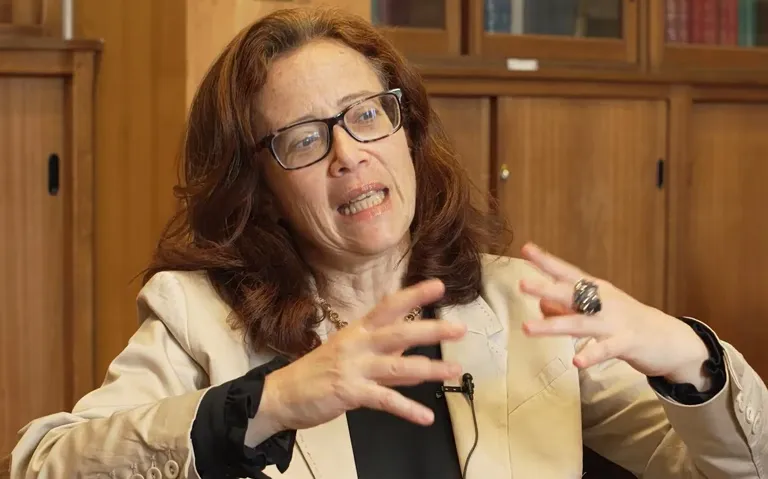
Strategic foresight aids policy making by allowing decision-makers to anticipate future challenges and opportunities. It involves analyzing trends and imagining different scenarios to prepare for potential outcomes. Jelena Drenjanin, a coordinator of foresight analysis at the European Committee of the Regions, emphasized that strategic foresight helps policymakers consider the interests of both current and future generations, moving beyond immediate electoral concerns.
Drenjanin highlighted an increasing paradox within modern governance: while today's global challenges demand long-term, visionary thinking, political systems are frequently trapped by short-termism. This is often driven by the pressure of immediate concerns and the constraints of electoral cycles, where the focus is on winning the next election rather than securing the next century. Strategic foresight serves as a tool to break this cycle, providing a structured way to examine how current choices will impact the landscape of tomorrow.
What are some examples of successful youth engagement in policy making?
Corsica Pruspettiva 2050
The Corsica Pruspettiva 2050 project is a notable example of successful youth engagement. The Assemblea di a Giuventù was tasked with discussing four scenarios for the island's future, giving young people a direct role in shaping policy discussions. This initiative encouraged participants to think beyond existing trends and imagine innovative solutions for Corsica's future.
In this model, the youth were not merely passive recipients of information or consultants providing feedback on pre-made plans. Instead, they were active participants in the conceptualization phase. By being asked to discuss specific scenarios for the year 2050, they were empowered to contemplate transformations that might even seem "unthinkable" by today's standards. This approach gives youth an immediate and tangible role in the high-level discussions that will define their long-term environment.
Wales and the Aberfan Disaster
In Wales, the Aberfan disaster of 1966 serves as a stark reminder of the costs of short-term thinking. Jacob Ellis, from the Future Generations Commissioner for Wales, highlighted the importance of safeguarding future generations' interests by referencing this tragedy, where a coal waste tip collapsed and claimed the lives of 116 children.
Ellis used this historical event to underscore the necessity of institutional safeguards. He argued that institutions must be designed to protect the interests of those who are not yet here to defend them. Furthermore, he suggested that "future thinking" should not be an occasional exercise but should instead become a regular, integrated part of school education. By teaching future-oriented thinking early, society can better prepare citizens to avoid the catastrophic consequences of short-sighted decision-making.
What tools are used to integrate youth perspectives in policy making?
Various tools are used to integrate youth perspectives in policy making, such as youth checks and youth tests. These tools assess how policies impact younger generations and ensure that their voices are considered in decision-making processes. Marin Capan, representing the European Youth Forum, noted the increasing use of these tools by the European Commission and the Committee of the Regions.
Beyond simple checks, Nicola Spano from the Joint Research Centre presented the European Commission's work on intergenerational justice. This involves using speculative design to stimulate imagination and connect current decisions to the needs of future generations. Rather than attempting to "predict" the future with certainty, these methods aim to create a meaningful dialogue with people who have not yet been born. This process helps policymakers visualize the long-term consequences of their current choices through a more creative and empathetic lens.
How can municipalities and regions enhance youth participation?
Municipalities and regions can enhance youth participation by creating platforms for young people to voice their opinions and contribute to policy discussions. This involves organizing workshops, forums, and strategic foresight sessions where youth can engage with policymakers.
The ultimate goal is to ensure that the future does not simply "happen" to young people, but is shaped by them. By fostering meaningful participation through these structured channels, local and regional governments can move toward a model of governance that is both responsive to today's needs and protective of tomorrow's potential. This ensures that those who will ultimately inherit the consequences of today's decisions have a hand in writing the rules that govern them.
Frequently asked questions
What is strategic foresight?
Strategic foresight is a process that helps policymakers anticipate future challenges and opportunities by analyzing trends and imagining different scenarios.
Why is youth involvement important in policy making?
Youth involvement is important because it ensures that policies are sustainable, inclusive, and aligned with the long-term needs of society, helping to prevent the pitfalls of short-termism.
How can youth contribute to shaping the future?
Youth can contribute by participating in policy discussions, providing fresh perspectives, and proposing innovative solutions to address both current and future challenges.
What are youth checks and youth tests?
Youth checks and youth tests are specific tools used to assess how policies impact younger generations and to ensure their voices are considered in the decision-making process.
How can local governments engage youth in policy making?
Local governments can engage youth by organizing workshops, forums, and strategic foresight sessions where young people can interact directly with policymakers.
Key takeaways
- Youth involvement in policy making ensures sustainable and inclusive policies that account for long-term needs.
- Strategic foresight helps decision-makers move beyond immediate electoral cycles to consider future consequences.
- Successful models include Corsica's scenario-based discussions and Wales' emphasis on integrating future thinking into education.
- Tools like "youth checks" and "youth tests" are becoming essential for evaluating policy impacts on younger generations.
- Meaningful engagement requires moving from passive consultation to active participation in shaping future scenarios.