Why is Alexis Tsipras focusing on youth engagement?
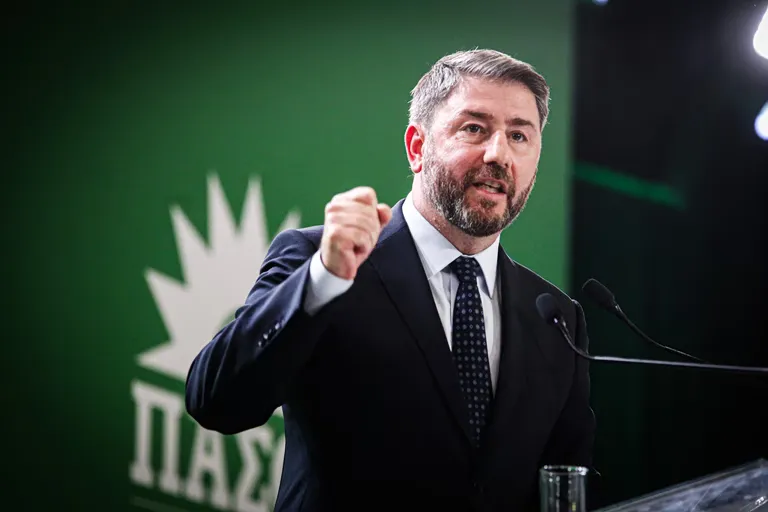
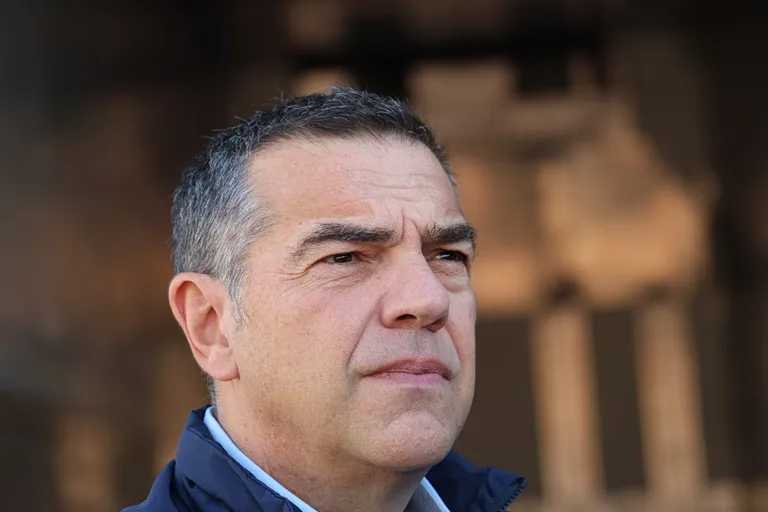
Alexis Tsipras, the former Greek Prime Minister, is centering his political strategy on youth engagement. This move is designed to connect with a younger generation that feels increasingly disconnected from the current political establishment due to systemic economic hardships. Through recent social media communications, Tsipras has signaled a desire to reach out to young people who are grappling with a sense of injustice and economic instability.
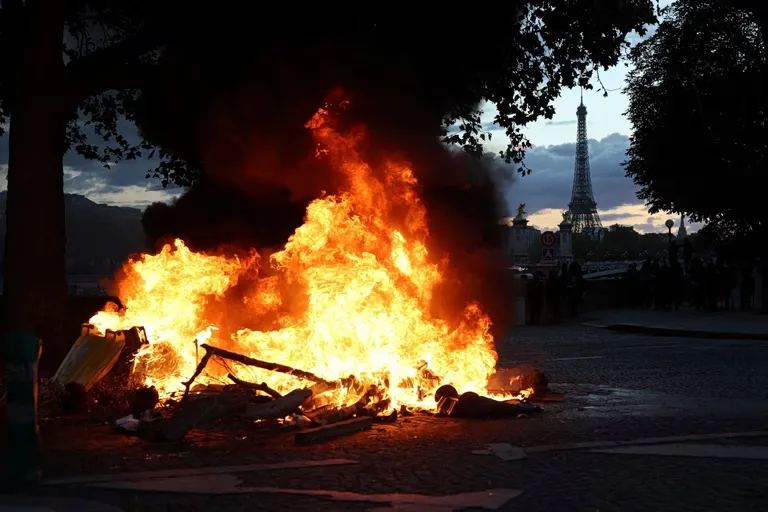
The former Prime Minister has explicitly drawn parallels between the domestic situation and the rising unrest seen across Europe. He noted that the current atmosphere in France, characterized by protests in Paris and other major cities, serves as a potent symbol. Tsipras argued that the "power of youth" and their "innate reaction to injustice and extreme inequalities" cannot be contained and will always seek an outlet. By framing the youth movement as a broader European phenomenon, he is attempting to position his political message within a larger struggle against inequality.
This focus is not merely rhetorical; it addresses specific, tangible grievances. Tsipras points to the chronic underfunding of education, the rising cost of living, and the general degradation of life quality for young people across the European Union. The inability of European leaders to reach a consensus on tackling inflation and energy costs—especially with a difficult winter approaching—has only served to heighten these tensions. For Tsipras, the goal is to tap into this energy to build a movement that transcends simple party politics.
What is the significance of Tsipras's Thessaly tour?
The upcoming tour of Thessaly represents a deliberate shift toward a "door-to-door" grassroots model. Tsipras is adopting a strategy of visiting individual villages and towns to maintain a direct presence in the provinces. This approach is intended to serve two purposes: to bolster his own existing electorate and to consolidate his political base following a series of traumatic party splits.
The tour is structured to address the specific, localized anxieties of the Thessaly region. The itinerary includes a primary stop in Volos to engage with students and professionals, followed by Agia Larissa. The tour will then move into more rural areas, including Farkadona and Palamas, where Tsipras intends to gather first-hand information regarding the struggles of local producers. By physically being present in these communities, he aims to demonstrate that his political concerns are aligned with the daily realities of rural life.
The significance of this tour lies in its attempt to bridge the gap between high-level political discourse and the practical needs of the periphery. By moving through the region, Tsipras is attempting to rebuild the political infrastructure that has been damaged by recent internal shifts, using the specific grievances of the Thessaly population as the foundation for his renewed engagement.
How are the resignations of independent MPs impacting Greek politics?
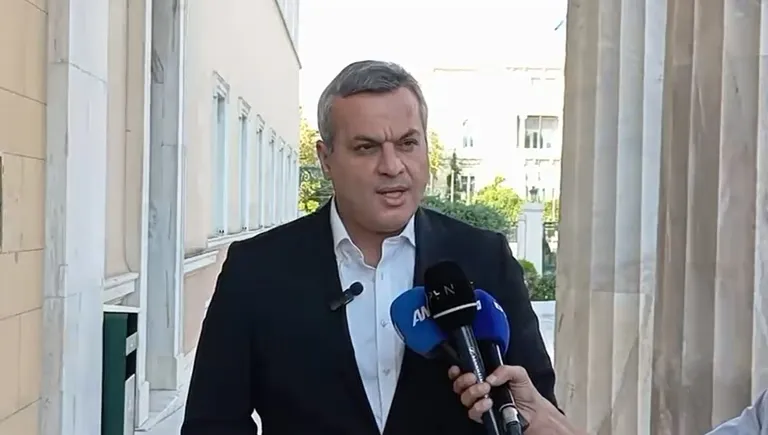
The political landscape in Greece is undergoing a significant realignment as 13 independent MPs, who previously broke away from SYRIZA, begin the process of resigning from their current seats. This mass departure is driven by their intention to formally integrate into the newly established ELAS party. The process is expected to unfold in a specific chronological sequence, with the first resignation occurring immediately and others following throughout the week.
This exodus is not expected to be an overnight event. According to reports, the resignations are projected to continue until the end of November. This phased departure suggests a coordinated political transition rather than a series of isolated incidents. The movement of these lawmakers from an independent status to a formal role within ELAS marks a definitive moment in the fragmentation of the previous political order.
The impact of these resignations is twofold. First, they represent the finality of the split from SYRIZA, signaling a formalization of the new political divisions. Second, the timing and scale of these departures suggest a significant shift in parliamentary dynamics. While the immediate effect is the loss of parliamentary presence for the former SYRIZA members, the long-term consequence is the emergence of ELAS as a consolidated political force, potentially altering the balance of power in future legislative cycles.
What challenges are young people in Greece and Europe facing?
The challenges facing young people in Greece and throughout the European Union are multifaceted, ranging from economic instability to systemic institutional failures. A primary driver of discontent is the rising cost of living, which has made basic necessities increasingly difficult to afford. This economic pressure is compounded by the energy crisis, as the lack of a unified European response to rising costs leaves households vulnerable, particularly as the winter season approaches.
Beyond immediate economic concerns, there is a deeper issue regarding the future prospects of the younger generation. Underfunding in the education sector has been identified as a critical factor that undermines the ability of young people to compete and thrive. This, combined with a perceived lack of job opportunities and the general degradation of social standards, has created a climate of disillusionment. The sense that the current political leadership is unable or unwilling to address these structural problems is a central theme in the growing unrest.
Tsipras has characterized this as an "innate reaction to injustice." The frustration is not merely about individual hardship but about the perceived systemic inequality that limits the potential of the youth. As these issues persist, the gap between the expectations of the younger generation and the reality provided by European institutions continues to widen, creating a volatile political environment.
What are the local issues Tsipras is addressing in Thessaly?
In the Thessaly region, the political agenda is dominated by several acute local crises that require immediate attention. One of the most pressing issues is the economic struggle of the agricultural sector. Farmers are currently facing high production costs and significant challenges related to livestock, specifically regarding the issue of livestock disease (evlogia), which threatens the stability of their livelihoods.
Furthermore, the region is still grappling with the long-term consequences of extreme weather events. The devastation caused by Storm Daniel continues to be a major point of concern for residents, even three years after the event. The lingering problems related to recovery and the ongoing vulnerability of the region to such disasters remain central to the local discourse. Tsipras's plan to visit villages like Farkadona and Palamas is specifically designed to hear these concerns directly from the producers and residents who are living through them.
By addressing the intersection of agricultural economics, livestock health, and climate-related disasters, Tsipras is attempting to tackle the most vital issues facing the Thessaly electorate. His focus on these topics is intended to demonstrate a granular understanding of the regional crises that broader national politics often overlooks.
Frequently asked questions
What is the purpose of Tsipras's Thessaly tour?
The tour is a grassroots effort to reconnect with his political base and address the specific needs of the Thessaly region. By visiting towns like Volos and villages like Farkadona, he aims to engage directly with students, professionals, and farmers to discuss local economic and environmental challenges.
Why are independent MPs resigning from SYRIZA?
The 13 independent MPs are resigning to formally join the newly formed ELAS party. This process is expected to be completed by the end of November and marks a significant transition in the political alignment of these former SYRIZA members.
What issues are affecting young people in Greece?
Young people are facing high living costs, energy insecurity, and the underfunding of the education system. These factors, combined with a lack of economic opportunity, have led to widespread disillusionment with the current political leadership.
How does Tsipras plan to address regional issues in Thessaly?
Tsipras is using a "door-to-door" approach to gather first-hand information from local communities. He intends to focus on agricultural production costs, livestock issues, and the ongoing recovery from the damage caused by Storm Daniel.
What impact could the MP resignations have on Greek politics?
The resignations signify a formal split from SYRIZA and the consolidation of the ELAS party. This shift is expected to alter parliamentary dynamics and influence the formation of new political alliances in Greece.
Key takeaways
- Alexis Tsipras is launching a grassroots tour in Thessaly to reconnect with his base and address regional grievances.
- The tour focuses on youth engagement, agricultural struggles, and the long-term effects of Storm Daniel.
- Thirteen former SYRIZA MPs are beginning a phased resignation process to join the new ELAS party.
- Economic inequality, education underfunding, and energy costs are driving youth discontent across Europe.
- The Thessaly region faces specific crises involving livestock health and agricultural production costs.