How did the French protests of 2026 begin?
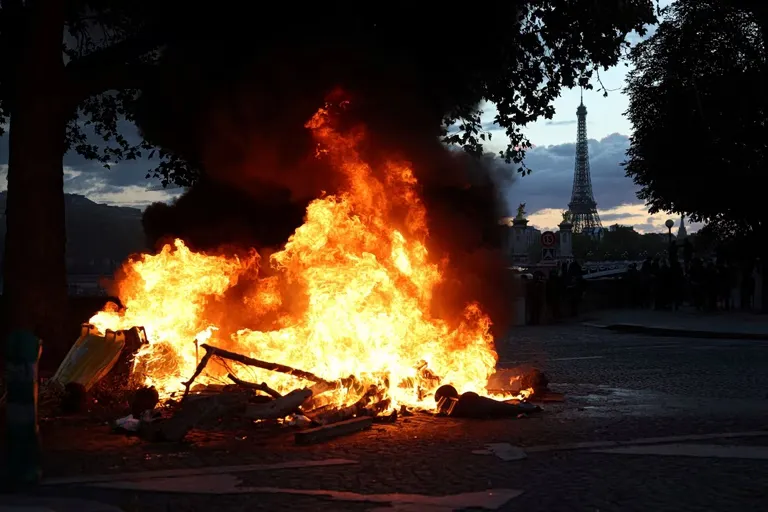
The French protests of 2026 initially started as a demand from high school students for the repair of heating systems in their classrooms. This seemingly small issue quickly escalated into a significant movement. According to CBC News, the protests have become a symbol of broader discontent with the French government's handling of public services and austerity measures.
What role did the 'yellow vests' play in the protests?
The 'yellow vests' movement, initially formed to protest high fuel prices, has re-emerged to support the student protests. This involvement has intensified the protests, transforming them from a school-focused issue into a larger movement against austerity policies. The 'yellow vests' have brought additional attention and pressure on the government, complicating the situation further.
What are the main grievances of the protesters?
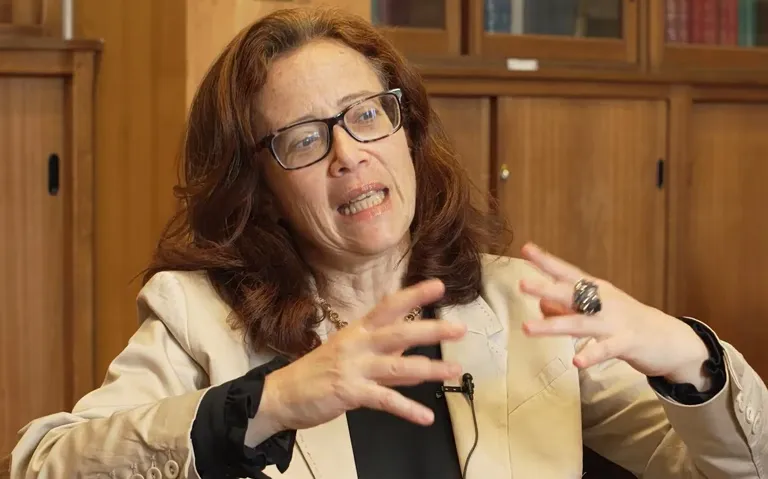
The protesters' grievances extend beyond the initial demand for heating repairs. They highlight issues such as the deterioration of educational facilities, lack of teachers, and systemic racism. According to Blanche Leridon, a political analyst at Institut Montaigne, these issues reflect a broader decline in public services and living conditions, particularly in multicultural working-class communities.
Specific demands of the students
The students are demanding smaller class sizes, improved school infrastructure, and equitable treatment across different regions. They argue that the current conditions are untenable, with overcrowded classrooms and inadequate heating systems making learning difficult.
How has the French government responded?
The French government, led by President Macron, has attempted to address the protests by proposing temporary measures, including hiring additional substitute teachers. However, these measures have been rejected by student unions as insufficient. The government cites fiscal constraints and public debt as barriers to more substantial reforms.
What are the economic implications of the protests?
The protests have sparked a debate about the allocation of government resources. Students argue that funds should be redirected from military and corporate subsidies to education and social services. This sentiment is echoed by many who believe that the government's current fiscal policies disproportionately benefit the wealthy.
What is the future of the protests?
The future of the protests remains uncertain. While the government faces pressure to address the protesters' demands, it also contends with economic constraints. The protests have highlighted deep-seated issues within French society, and their resolution may require significant policy changes.
Frequently asked questions
What triggered the French protests of 2026?
The protests began with high school students demanding repairs to heating systems in classrooms, which evolved into broader demonstrations against austerity policies.
Who are the 'yellow vests'?
The 'yellow vests' are a movement initially formed to protest high fuel prices. They have re-emerged to support the student protests in 2026.
What are the main demands of the protesters?
The protesters demand improved educational facilities, smaller class sizes, and equitable treatment across different regions.
How has the French government responded to the protests?
The government has proposed temporary measures, such as hiring additional substitute teachers, but these have been rejected by student unions as insufficient.
What are the economic implications of the protests?
The protests have sparked a debate about government resource allocation, with calls to redirect funds from military and corporate subsidies to education and social services.
Key takeaways
- The French protests of 2026 began with student demands for heating repairs in schools.
- The 'yellow vests' movement has re-emerged to support the protests, increasing their impact.
- Protesters highlight issues such as educational facility deterioration and systemic racism.
- The French government cites fiscal constraints as a barrier to addressing protester demands.
- The protests have sparked a debate about the allocation of government resources.