How does PEDMEDE ECO implement the circular economy in construction?
PEDMEDE ECO functions as an approved Collective Alternative Management System for Construction and Demolition Waste (CDW), bridging the gap between waste disposal and resource recovery. The organization operates through a strategic alliance that leverages the technical capabilities of the HERAKLES Group alongside the professional authority of PEDMEDE (the Panhellenic Federation of Licensed Civil Engineers of Public Works). This partnership ensures that the management of materials is not merely a logistical task but a highly regulated engineering process.
The scale of this operation is evidenced by its extensive footprint across the Greek landscape. According to recent data, the system operates in more than 40 Regional Units and maintains a growing network of over 100 collaborating processing and recovery units. This widespread presence allows for a centralized yet geographically diverse approach to waste management, ensuring that construction materials are handled efficiently regardless of the project's location. By integrating these two major industry forces, PEDMEDE ECO provides a level of institutional protection and technical reliability that is essential for large-scale public and private infrastructure projects.
What are the measurable impacts of this waste management model?
The impact of the PEDMEDE ECO model is clearly visible in its rapid industrial scaling and environmental contributions. In only five years of activity, the organization has successfully managed more than 7 million tonnes of CDW. This volume represents a significant shift away from traditional disposal methods, where surplus materials were often treated as an environmental burden or left in landfills.
Beyond the sheer tonnage, the system focuses on three critical environmental and operational metrics:
- Traceability: Every stage of the waste lifecycle is documented, which prevents illegal dumping and ensures that materials are handled according to legal standards.
- Carbon Footprint Reduction: By optimizing the recovery process and reintegrating materials locally, the system significantly lowers CO2 emissions associated with the transport and extraction of new raw materials.
- Resource Preservation: The recovery of secondary materials reduces the necessity for primary resource extraction, such as quarrying, thereby protecting natural landscapes.
This data-driven approach ensures that the transition to a circular model is not just a theoretical goal but a measurable industrial reality that supports national and European regulatory frameworks.
How is waste transformed into high-quality secondary materials?
The transformation of waste into usable construction resources requires a rigorous, multi-step industrial sequence. Rather than treating demolition debris as useless remnants, PEDMEDE ECO applies a specialized methodology to ensure these materials meet the standards required for new construction projects.
The recovery cycle consists of several distinct phases designed to maximize the value of the input material:
The technical recovery lifecycle
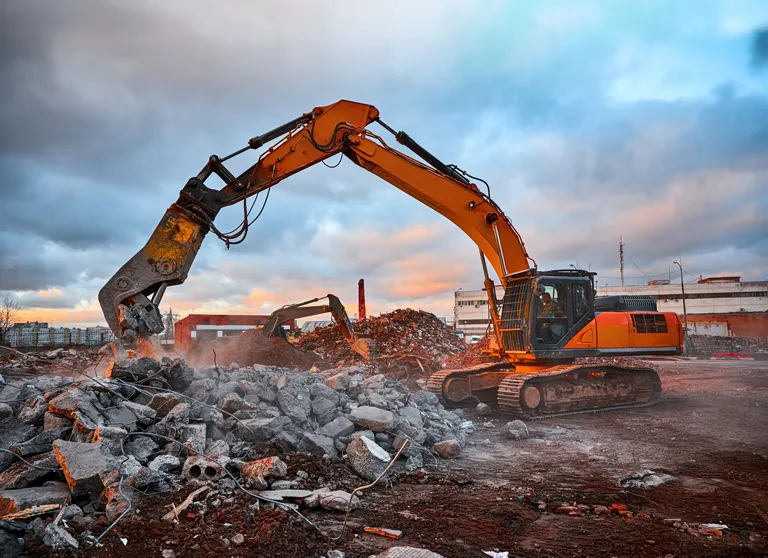
The process begins with the systematic collection and transport of CDW from construction or demolition sites. Once gathered, the material undergoes sorting to separate different components, such as concrete, brick, stone, or metal. Following sorting, specialized processing—including crushing and screening—is applied to refine the material. The final result is the production of high-specification secondary materials. These materials are engineered to serve as legitimate substitutes for primary raw materials in new building works, effectively closing the loop of the production cycle.
This structured approach ensures that the "second life" of construction materials is not a downgrade in quality but a sophisticated re-engineering process. By treating CDW as a valuable asset, the industry can move toward a model where the end of one building's life marks the beginning of another's components.
Why is the "waste is child's play" campaign significant for the industry?
The recent communication campaign titled "For us, waste is child's play" (Για εμάς τα μπάζα είναι παιχνιδάκι) uses a lighthearted metaphor to address an incredibly complex industrial challenge. While the slogan suggests ease, it is intended to highlight the seamlessness and systemic precision of the PEDMEDE ECO operations. The campaign posits that waste management becomes "child's play" only when backed by a complete, highly organized system and expert technical knowledge.
The metaphor draws a parallel between a construction toy set and the management of CDW. In a well-designed game, every piece has a specific place and every movement is connected to the next. Similarly, in the PEDMEDE ECO system, every piece of waste follows a predetermined, logical path through a sequence of actions that leads to its eventual recovery. This creative framing helps to demystify the technicalities of circularity, portraying the complex logistics of waste as a controlled, predictable, and even creative process of reconstruction.
What is the long-term vision for the construction sector?
The activities of PEDMEDE ECO are part of a broader strategic vision held by the HERAKLES Group to foster a sustainable future for the construction industry. The ultimate goal is to move beyond the traditional linear model of "take-make-dispose" and establish a permanent circular loop where materials are continuously reintegrated into the economy.
This vision involves more than just managing leftovers; it is about redefining the value of construction materials. When the expertise of the HERAKLES Group is combined with the institutional guarantees of PEDMEDE, the industry gains the confidence to invest in sustainable technologies. The long-term objective is to create a construction ecosystem where the environmental cost of building is minimized, and the lifecycle of materials is extended indefinitely through advanced recovery and reuse technologies.
FAQ: Circular Economy in Construction
What is the main role of PEDMEDE ECO?
PEDMEDE ECO acts as an approved Collective Alternative Management System for Construction and Demolition Waste. Its primary role is to manage, sort, and process demolition debris to turn it into high-quality secondary materials for new construction projects, thereby supporting the circular economy.
How much waste has the system managed so far?
In its first five years of operation, PEDMEDE ECO has successfully managed over 7 million tonnes of Construction and Demolition Waste (CDW). This significant volume demonstrates the scale and effectiveness of its industrial recovery network across Greece.
What makes the recovery process reliable?
The reliability stems from a combination of the HERAKLES Group's technical expertise and the institutional prestige of PEDMEDE. This ensures that all processes are fully compliant with national and European regulations and that every stage of material handling is fully traceable.
How does this help the environment?
The system helps the environment by reducing the need for mining new raw materials, preventing illegal waste dumping through strict traceability, and lowering CO2 emissions by optimizing the recycling and transport of construction materials.
What are secondary materials?
Secondary materials are recycled products derived from construction and demolition waste. After being sorted, crushed, and processed, these materials are engineered to meet specific standards, allowing them to be used as legitimate substitutes for primary natural resources in new building works.
Key takeaways
- PEDMEDE ECO has managed over 7 million tonnes of construction waste in five years.
- The system operates through a network of over 100 processing and recovery units.
- The initiative covers more than 40 Regional Units across the Greek territory.
- The process transforms demolition debris into high-specification secondary construction materials.
- The model reduces CO2 emissions and the need for primary resource extraction.
Conclusion
The transition from a linear to a circular economy in the construction sector is no longer a distant goal but an active industrial practice. Through the coordinated efforts of the HERAKLES Group and PEDMEDE, the management of construction and demolition waste has been transformed from an environmental problem into a source of high-value resources. By managing millions of tonnes of waste and ensuring full traceability, PEDMEDE ECO provides the necessary infrastructure for a sustainable building industry. This systematic approach not only protects natural resources but also ensures that the construction lifecycle is continuous, efficient, and environmentally responsible.