How did a childhood disappointment shape Godzilla Minus Zero?
Takashi Yamazaki is directing Godzilla Minus Zero to fulfill a specific visual desire he held as a young boy in Matsumoto, Japan. According to Reuters, the 62-year-old director's fascination with the franchise began in 1964 while watching the film Ghidorah, the Three-Headed Monster. As a child, Yamazaki was disappointed that the massive dragon, King Ghidorah, only spent a few seconds destroying his home city of Matsumoto during the film's destruction sequences.
By directing this new installment, Yamazaki is effectively revisiting his younger self to provide the spectacle he felt was missing decades ago. He noted that the project allows him to present the exact imagery he craved as a child, essentially showing his younger self the destruction he had always imagined. This personal motivation transforms the production from a standard commercial sequel into a deeply sentimental career milestone.
What is the plot and continuity of the new film?
Godzilla Minus Zero serves as a direct narrative sequel to the 2023 hit Godzilla Minus One, taking place two years after the events of the first film. The story follows the protagonist Koichi Shikishima, a former kamikaze pilot struggling with the psychological trauma of surviving the war. While the first film focused on his inability to cope with his survival and the threat of the atomic-mutated monster, the new chapter introduces a secondary catastrophic threat.
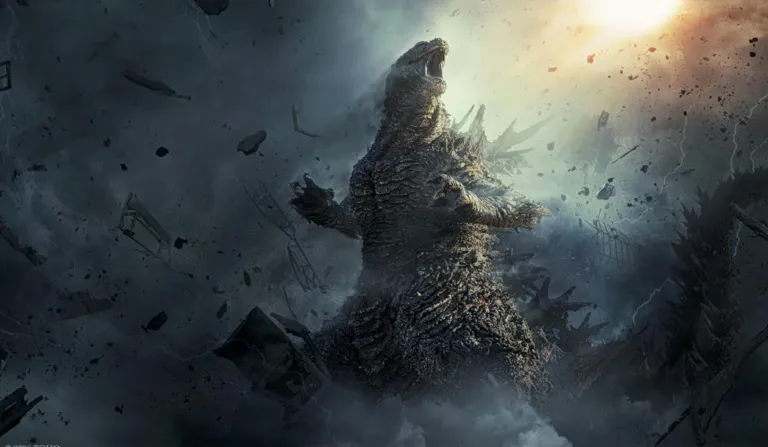
The character arc of Shikishima continues alongside his partner, Noriko Oishi, and their adopted daughter, Akiko. The domestic stability they attempt to rebuild is shattered by the arrival of King Ghidorah, one of the most iconic antagonists in the Godzilla mythos. This shift in conflict moves the stakes from the localized trauma of post-war survival to a broader, more mythological level of destruction.
Cast and Character Dynamics
The production maintains continuity by bringing back key cast members to explore the evolving lives of the survivors. Ryunosuke Kamiki returns as Shikishima, providing the emotional anchor for the story. Minami Hamabe reprises her role as Noriko Oishi, while Sae Nagatani portrays their daughter, Akiko. The return of these actors ensures that the human element—the core of Yamazaki's storytelling—remains intact even as the scale of the monster attacks increases.
How is the production handling the pressure of a sequel?
The creative team is consciously distancing themselves from the overwhelming success of the previous Oscar-winning film to avoid creative stagnation. While the success of Godzilla Minus One brought significant critical acclaim and a Best Visual Effects Oscar, the production team recognizes the danger of simply trying to replicate a formula. Minami Hamabe expressed to Reuters that the team understands the need to offer more spectacle and a stronger message than their predecessor.
Director Takashi Yamazaki has taken a pragmatic approach to managing these high expectations. Rather than instructing his crew to surpass the previous film, he has advised them to move past it entirely. He believes that the success of the previous installment was a matter of significant luck and that chasing that specific shadow would be counterproductive. His primary objective is to focus on creating the best possible Godzilla cinematic experience rather than chasing past accolades.
Why does the Godzilla franchise remain culturally relevant?
The enduring impact of the Godzilla series lies in its ability to act as a societal mirror, reflecting the specific anxieties of different eras. Actor Ryunosuke Kamiki suggests that the monster's longevity is not merely due to high-end visual effects or large-scale destruction, but because Godzilla embodies the collective fears of humanity. Every generation finds a way to project its own social or environmental concerns onto the creature.
Since its inception in 1954, Godzilla has evolved from a symbol of nuclear apocalypse to a vessel for contemporary issues. This adaptability allows the franchise to remain a potent cultural force. For Yamazaki, the film is a blend of this macro-societal commentary and a micro-personal journey, allowing him to bridge the gap between global cinematic spectacle and his own childhood memories.
Key takeaways
- Takashi Yamazaki is fulfilling a 55-year-old dream to see King Ghidorah destroy his hometown of Matsumoto.
- Godzilla Minus Zero is a direct sequel to the 2023 Oscar-winning Godzilla Minus One.
- The narrative takes place two years after the original film's events, following the survivors Shikishima and Noriko.
- The production team is intentionally avoiding the pressure to replicate the specific success of the previous film.
- The franchise continues to serve as a cultural mirror for societal and environmental fears.
Frequently asked questions
Is Godzilla Minus Zero a remake or a sequel?
It is a direct sequel to the 2023 film Godzilla Minus One. The story picks up two years after the initial events, following the same characters as they face a new threat from King Ghidorah, rather than retelling the original story.
Who is the main antagonist in the new film?
King Ghidorah is the primary antagonist in Godzilla Minus Zero. This legendary three-headed dragon represents a massive escalation in the scale of destruction compared to the previous film, specifically targeting the protagonist's home region.
Why is this film personal for Takashi Yamazaki?
The film is personal because it allows the director to realize a childhood fantasy. As a boy in 1964, he was disappointed by the lack of destruction in his hometown during previous films; now, he is finally directing that destruction himself.
Will the original cast return for the sequel?
Yes, the core cast members are returning to maintain narrative continuity. Ryunosuke Kamiki, Minami Hamabe, and Sae Nagatani are all set to reprise their roles, ensuring the emotional connection to the previous story remains strong.
How does Godzilla represent society?
Godzilla acts as a mirror for human fears. Depending on the era, the monster symbolizes different anxieties, ranging from the nuclear trauma of the 1950s to modern environmental and social concerns, making the character perpetually relevant.
Conclusion
Godzilla Minus Zero represents more than just a commercial expansion of a successful franchise; it is a deeply personal project for Takashi Yamazaki. By blending the massive scale of King Ghidorah's destruction with the intimate, traumatic recovery of the characters from the previous film, Yamazaki seeks to balance spectacle with substance. His decision to move away from the shadow of his previous Oscar win suggests a commitment to creative evolution rather than mere repetition. As the franchise continues to evolve, it remains a powerful medium for exploring both personal nostalgia and the shifting fears of global society.