Why is there an affordable housing shortage in Greece?
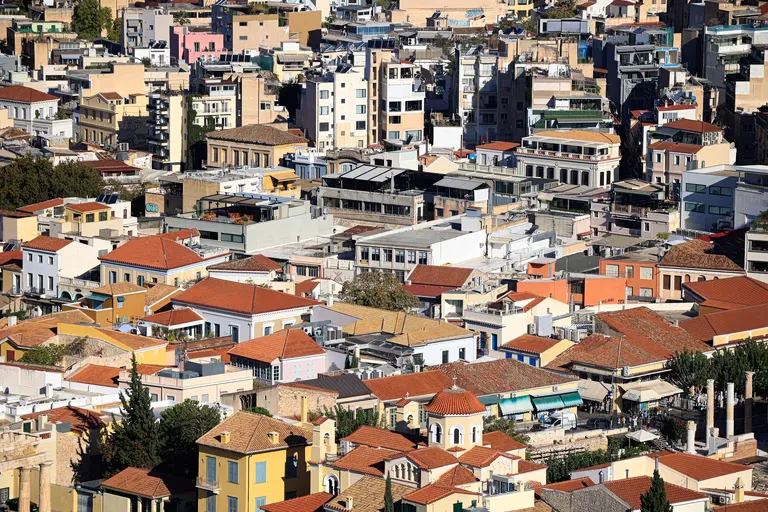
The shortage of affordable housing in Greece is primarily driven by a profound mismatch between where housing is located and where the demand is concentrated. While the country possesses a substantial total housing stock, a significant portion is unavailable to those who need it most, particularly in urban centers like Athens and Thessaloniki. The crisis is not merely about ownership, but about the ability of students, workers, and families to find rental accommodations that do not consume an unsustainable portion of their income.
Recent data highlights the intensity of this imbalance. According to a study by Spitogatos presented at the Prodexpo 2026 conference, the pressure on the rental market is approximately three times higher than that on the sales market. Specifically, nationwide, there are 2.4 unique inquiries for every available rental property, compared to just 0.79 inquiries for properties listed for sale. Even more telling is the volume of interest: searches for rental properties reach as high as 23 per available unit, illustrating a desperate search for space in a constrained market.
How does the rental market contribute to the housing crisis?
The rental market in Greece is under immense pressure, with demand far outstripping the available supply of suitable homes. In the Attica region, a clear divide has emerged: properties with monthly rents up to 600 euros face massive demand, yet the supply in this specific price bracket is critically low. This segment of the market is particularly strained because many of the few available low-cost units are in low energy classes or require significant renovation work to be habitable.
This crisis is further complicated by the geographic distribution of the housing stock. While urban centers face shortages, a large portion of the country's vacant housing is located in areas experiencing low or declining demand. A vacant home in a shrinking village cannot address the urgent housing needs of a student in Thessaloniki, a worker in Athens, or a seasonal employee on a tourist island. This geographic mismatch means that even when "empty" houses exist, they do not function as a solution to the urban housing crisis.
What role does the construction industry play in the housing shortage?
The current housing pressure is the result of a "lost decade" of construction caused by the economic crisis and the era of memoranda. The decline in building activity left a deep scar on the economy and the housing supply. According to a recent study by the State Budget Office in the Parliament, the gross value added of construction plummeted from nearly 18 billion euros in 2007 to less than 5 billion euros during the 2010s. This massive contraction resulted in a dramatic reduction in building permits.
While there has been a recent recovery, investment in housing remains significantly lower than pre-crisis levels. In 2025, housing investments accounted for only 3.1% of Greece's GDP, a stark contrast to the European Union average of approximately 5%, and a far cry from the periods in the mid-2000s when such investments exceeded 10% of GDP in Greece. Furthermore, the industry faces a critical shortage of skilled labor. An Orientum survey of approximately 27,000 high school students revealed that technical trades rank only 36th out of 38 professional categories, with only 2.52% of students expressing high interest. This lack of technicians leads to longer delays, higher construction costs, and a diminished ability to rapidly increase the housing supply.
Why are government subsidies insufficient to address the housing issue?
The study by the State Budget Office emphasizes that policies focusing solely on boosting demand are insufficient to resolve the structural housing problem. While measures such as rental allowances, affordable housing loans, and programs like "Spiti mou" (My Home) provide essential support to households, they do not create new homes. When supply remains restricted, these subsidies risk a counterproductive outcome: much of the increased purchasing power may simply be absorbed by rising prices.
The core of the issue is that the conversation must shift from subsidizing demand to incentivizing supply. The data suggests that the reintegration of dormant properties into the market could have a significant impact on affordability, with estimates suggesting that a steady return of these homes could lead to a reduction in real prices by approximately 15.5% to 24.6%. The real challenge lies in unlocking closed homes, accelerating renovations, and driving new construction to meet the actual needs of the population.
What potential solutions exist for Greece's housing crisis?
Addressing the shortage requires a multifaceted approach targeting the various reasons why housing remains unavailable. First, the "dormant" housing stock must be addressed. According to 2021 census data, while Greece has over 6.5 million dwellings, 34.5% are declared vacant. These properties are often tied up in inheritance disputes, ownership complexities, or issues with the Land Registry (Ktimatologio). Others are held as second homes, used for short-term rentals, or have been transferred to banks and servicers due to non-performing loans.
Second, a new model is being explored to expedite the utilization of properties held by banks and servicers. This approach aims to accelerate the movement of these assets into the hands of active buyers, potentially speeding up the market entry process. Ultimately, the goal is to create a more fluid market where renovated, available, and newly constructed homes can meet the high demand in urban areas, thereby easing the pressure on both renters and buyers.
FAQ: Affordable Housing in Greece
What is causing the affordable housing shortage in Greece?
The shortage is caused by a mismatch between supply and demand, specifically a lack of available homes in high-demand urban areas and a lack of properties at prices affordable to the average household.
How does the rental market affect housing availability?
The rental market faces extreme pressure, with demand for low-cost units (such as those under 600 euros in Attica) far exceeding the supply of habitable and energy-efficient properties.
What impact did the economic crisis have on housing?
The crisis led to a massive decline in construction activity, with the gross value added of the sector falling from 18 billion euros in 2007 to under 5 billion euros in the 2010s, creating a long-term supply deficit.
Are government subsidies effective in solving the housing issue?
Subsidies like rental allowances help households in the short term, but if supply is not increased, they may inadvertently drive up prices by increasing purchasing power without increasing the number of available homes.
What are the proposed solutions to the housing crisis?
Solutions include unlocking dormant properties (addressing inheritance and registry issues), accelerating renovations, increasing new construction, and improving the turnover of bank-held properties.
Key takeaways
- Greece's housing shortage is driven by a mismatch between where houses are located and where the demand is highest.
- The rental market is under intense pressure, with 2.4 inquiries per available property compared to 0.79 for sales.
- A "lost decade" of construction during the economic crisis significantly reduced the housing supply.
- A shortage of skilled labor in the construction sector further limits the ability to build new homes.
- Subsidizing demand alone is insufficient; the focus must shift toward increasing the supply of available and renovated housing.