How do dogs express excitement when greeting us?
Dogs often greet their owners with an intensity that makes it seem as though they have been separated for months, even if the owner was only gone for a few minutes. This behavior is a powerful indicator of the social bond developed between the pet and the human. According to Penelope Mavrou, a professional positive dog trainer and behavior consultant, this joy of reunion is expressed through various physical displays.
Some dogs might wag their entire bodies, perform playful jumps, or immediately fetch a favorite toy to present to their owner. However, Mavrou emphasizes that it is important not to judge the depth of the bond based solely on the volume of the greeting. Not all dogs express their enthusiasm in the same way; a calm, quiet reception does not necessarily indicate a lack of affection or a weaker bond. It is simply a different way of processing the reunion.
What does a head tilt signify in dog communication?
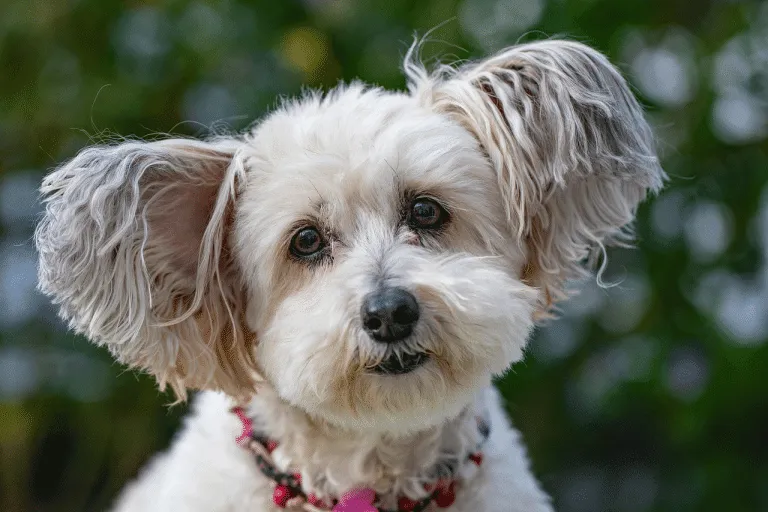
The sight of a dog tilting its head to the side when spoken to is one of the most iconic and "adorable" behaviors in the canine world. While it often elicits a smile from owners, Mavrou points out that there is a functional, communicative purpose behind this movement. The head tilt is often related to how a dog perceives and processes auditory information.
By shifting the angle of their head, dogs may be attempting to better locate the source of a sound or process the specific frequencies of what they are hearing. This is particularly evident when an owner uses specific trigger words, such as "Do you want to go for a walk?" The dog may tilt its head as it recognizes the meaningful words learned through previous experiences. However, Mavrou offers a word of caution: while this is usually a sign of engagement or auditory processing, if the head tilting becomes persistent or occurs suddenly without a clear stimulus, it should be evaluated by a veterinarian to rule out physical issues.
Why do dogs bring us their toys?
When a dog approaches you with a ball or a stuffed animal, it is rarely a random act. This behavior is a deliberate attempt to initiate a shared activity or to secure your undivided attention. Mavrou explains that this is a sophisticated form of learned communication. Over time, dogs realize that presenting an object can trigger a specific reaction from their human companions.
The dog essentially uses the toy as a tool to bridge the gap between their needs and your response. If you do not immediately engage, a determined dog might even nudge or push the toy toward you, acting as a physical reminder that they have an expectation for interaction. This cycle of action and reaction—where the dog presents a toy and the owner responds with play—serves to reinforce the communication loop and strengthens the overall relationship. By recognizing this as a request for engagement, owners can more effectively meet their dog's social needs.
Why do dogs follow us around the house?
The phenomenon of a "shadow dog"—one that follows its owner from room to room, even into the bathroom—is a common experience for many pet owners. While some might worry this indicates separation anxiety, Mavrou suggests that it is often simply a manifestation of a dog's social nature. Dogs are inherently social animals that find comfort and interest in the presence of their pack members.
Following an owner can be motivated by a variety of factors: they may simply want companionship, they might be anticipating a social interaction, or they may be hoping that a treat might unexpectedly fall. It is crucial to distinguish between a dog that enjoys proximity and a dog that suffers from true separation anxiety. While wanting to be near you is a sign of social bonding, the inability to remain calm when you are absent is a different matter. Mavrou advises that owners should work on teaching their dogs to feel secure and independent, helping them learn to settle comfortably when they are alone.
What does it mean when a dog touches us with its paw?
A gentle tap or a persistent nudge with a paw is a direct request for attention. This is often seen when an owner is preoccupied, such as when they are working at a computer. The dog uses this physical contact to break through the owner's focus and signal that they require interaction. Mavrou notes that the owner's reaction to this specific gesture is a critical component of the training process.
If an owner immediately stops what they are doing to provide petting or play every time the dog uses its paw, they are inadvertently reinforcing the behavior. This teaches the dog that physical nudging is an effective way to get what they want. On the other hand, how an owner manages these requests can shape the dog's future communication. Learning to manage these moments can help maintain a balanced interaction where the dog understands when attention is available and when they must wait patiently.
Understanding the broader context of canine behavior
Beyond these specific gestures, understanding a dog requires looking at the totality of their body language. Whether it is the way they use eye contact to establish closeness or how they position themselves near an owner to seek comfort, every movement is part of a complex language. Recognizing that these behaviors are often driven by a mix of instinct, learned experience, and a desire for social connection allows owners to respond more meaningfully to their pets' needs.
Frequently asked questions
Why do dogs tilt their heads?
A head tilt is often a functional movement used to better process sounds or identify the specific direction of a noise. It can also be a sign that the dog recognizes specific, meaningful words from their environment.
What does it mean when a dog brings you a toy?
This is a form of learned communication where the dog seeks to initiate play or gain your attention, having learned that presenting a toy often results in a positive interaction.
Why do dogs follow their owners everywhere?
Because dogs are social animals, they often seek proximity to their humans for companionship, social interaction, or the anticipation of rewards like treats.
Is it normal for dogs to touch you with their paws?
Yes, using a paw to touch an owner is a common way to request attention. However, the frequency of this behavior is often influenced by how the owner responds to the gesture.
What should I do if my dog circles excessively before lying down?
While circling is a common instinctual behavior, if it becomes excessive or is accompanied by signs of discomfort, you should seek a veterinary evaluation to ensure there are no underlying health issues.
Key takeaways
- Dogs use specific gestures, such as head tilts and toy presentation, as intentional tools for communication.
- A dog's greeting style varies; a calm welcome does not mean a lack of affection.
- Head tilting can be a way to process sound or recognize familiar words, but persistent tilting may indicate a medical issue.
- Following an owner is often a sign of social nature rather than anxiety, though independence should still be encouraged.
- The way owners respond to behaviors like pawing or toy-bringing directly shapes the dog's future communication habits.