Why has Hajduk Split been fined €1.44 million?
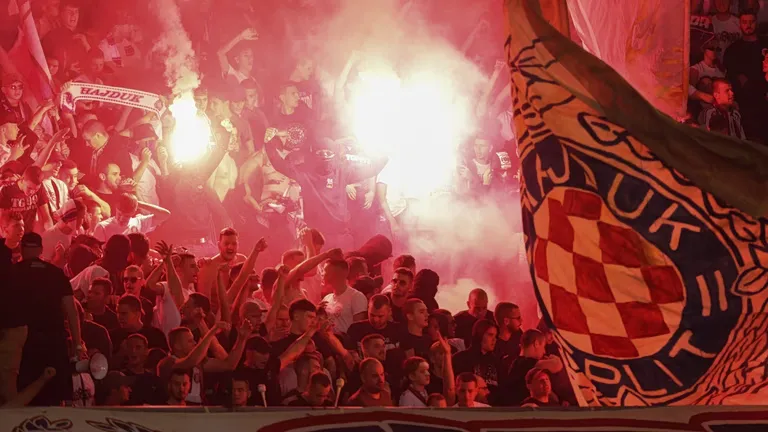
Hajduk Split has been hit with a staggering €1.44 million in fines due to repeated incidents of fan misconduct. These disturbances, which include the widespread use of pyrotechnics and various other violations within the stands, have become a recurring issue for the Split-based club. According to data published by the Croatian website Index, these financial penalties have accumulated significantly from the 2023-24 period through to the current date.
The scale of these penalties reflects a pattern of behavior that has drawn the attention of governing bodies. The incidents are not isolated occurrences but represent a consistent challenge in managing the club's match-day environment. As the club navigates these disciplinary hurdles, the cumulative weight of the fines serves as a stark reminder of the consequences of unrest in the stands.
How do these fines impact Hajduk Split's finances?
The financial impact of these penalties is profound, with the club facing an average annual cost of approximately €413,617. To put this in perspective, these are funds that could otherwise be directed toward vital operational needs. Instead of being lost to disciplinary sanctions, this capital could have been used to finance essential investments in the club's youth academies or to improve the physical infrastructure of the organization.
For a club competing in the Croatian league, these figures represent a significant portion of available resources. Unlike teams playing in Europe's five major leagues, Hajduk Split does not benefit from the same level of massive television and commercial revenues. Consequently, every hundred thousand euros lost to fines directly limits the club's ability to strengthen its squad and pursue long-term competitive development. The financial burden effectively acts as a drain on the club's potential for growth.
Financial breakdown of fines
A detailed look at the figures reveals the fluctuating yet persistent nature of these costs over the last three completed seasons. Between 2023 and the summer of 2026, Hajduk was required to pay a total of €1,240,850 in cash penalties. The breakdown shows that the 2024-25 season was the most expensive, with fines reaching a peak of €549,500.
Prior to that, the 2023-24 season saw penalties amounting to €370,000, while the 2025-26 period recorded €321,350. The current season is already showing signs of a similar trend; by October 16, 2026, fines had already reached €199,675. This amount represents nearly half of the average annual cost of the previous three periods, despite the season only being in its first trimester. These statistics underscore a worrying trend where the financial strain remains a constant factor in the club's annual budget.
What role does UEFA play in these sanctions?
UEFA plays a decisive role in enforcing disciplinary measures, particularly when misconduct occurs during European competitions. A recent example occurred during the club's match against Ajax on Thursday, October 15, 2026. Although Hajduk secured a 2-1 victory, the match was marred by the use of pyrotechnics in the stands, which forced a stoppage in play for approximately 12 minutes.
While the club's management has taken the step of issuing a public apology, the incident has left the club vulnerable to further disciplinary action from UEFA. The current tally of €199,675 for the new period does not even include potential upcoming sanctions resulting from the Ajax match. This highlights the unpredictable nature of the financial risk, as a single match can lead to significant additional penalties that are only realized after investigations are complete.
How do closed-door matches affect the club?
The true economic cost to Hajduk Split extends far beyond the direct cash fines. One of the most damaging consequences of fan misconduct is the imposition of matches played behind closed doors. When fans are banned from the stadium, the club suffers a massive loss in revenue from ticket sales and other match-day activities that rely on the physical presence of supporters.
This is particularly painful for Hajduk because of its unique identity. The club boasts one of the most passionate and large fan bases in the Balkans, with the historic Torcida group being an integral part of the club's culture. The Poljud Stadium is renowned for its intense atmosphere, which provides both a competitive advantage on the pitch and a significant economic benefit through high attendance. When these matches are played in empty stadiums, the club loses both its most vital commercial asset and its most potent home-field advantage.
What are the broader implications for European football?
The situation at Hajduk Split is not merely an isolated local issue; it is a symptom of a broader problem within European football. The economic damage caused by misconduct in the stands affects more than just the immediate fine amount. It disrupts the operational stability of clubs, hinders their commercial growth, and ultimately impacts their ability to remain competitive on the continental stage.
For Hajduk, the challenge has evolved from simply managing crowd control to stopping a continuous financial hemorrhage. The €1.44 million lost over a relatively short period represents capital that was never invested in the sport. This case serves as a warning that fan behavior can directly undermine the sustainability and competitive integrity of football clubs across the continent.
FAQ: Hajduk Split and Fan Behavior Fines
What is the total amount of fines Hajduk Split has faced?
Hajduk Split has accumulated a total of €1.44 million in fines from the 2023-24 period through October 2026 due to various instances of fan misconduct.
How does fan behavior impact club finances?
Beyond the direct cost of the fines, fan misconduct leads to closed-door matches, which strip the club of essential revenue from ticket sales and match-day commercial activities.
What incidents led to the fines?
The penalties have been triggered by several types of disturbances, most notably the use of pyrotechnics in the stands and other disciplinary violations during matches.
How does UEFA enforce penalties?
UEFA enforces disciplinary measures through significant monetary fines and can also mandate match sanctions, such as playing behind closed doors, following incidents in European competitions.
What is the impact of closed-door matches?
Closed-door matches result in a direct loss of income from ticket sales and diminish the competitive atmosphere provided by the club's passionate supporter base at the Poljud Stadium.
Key takeaways
- Hajduk Split has incurred €1.44 million in fines due to fan misconduct between 2023 and late 2026.
- The club faces an average annual fine of approximately €413,617, diverting funds from academies and infrastructure.
- Recent incidents, such as the use of pyrotechnics during the Ajax match, threaten additional UEFA sanctions.
- Closed-door matches cause significant secondary losses in ticket revenue and competitive advantage.
- The situation highlights a wider European issue regarding the economic impact of fan behavior on club sustainability.